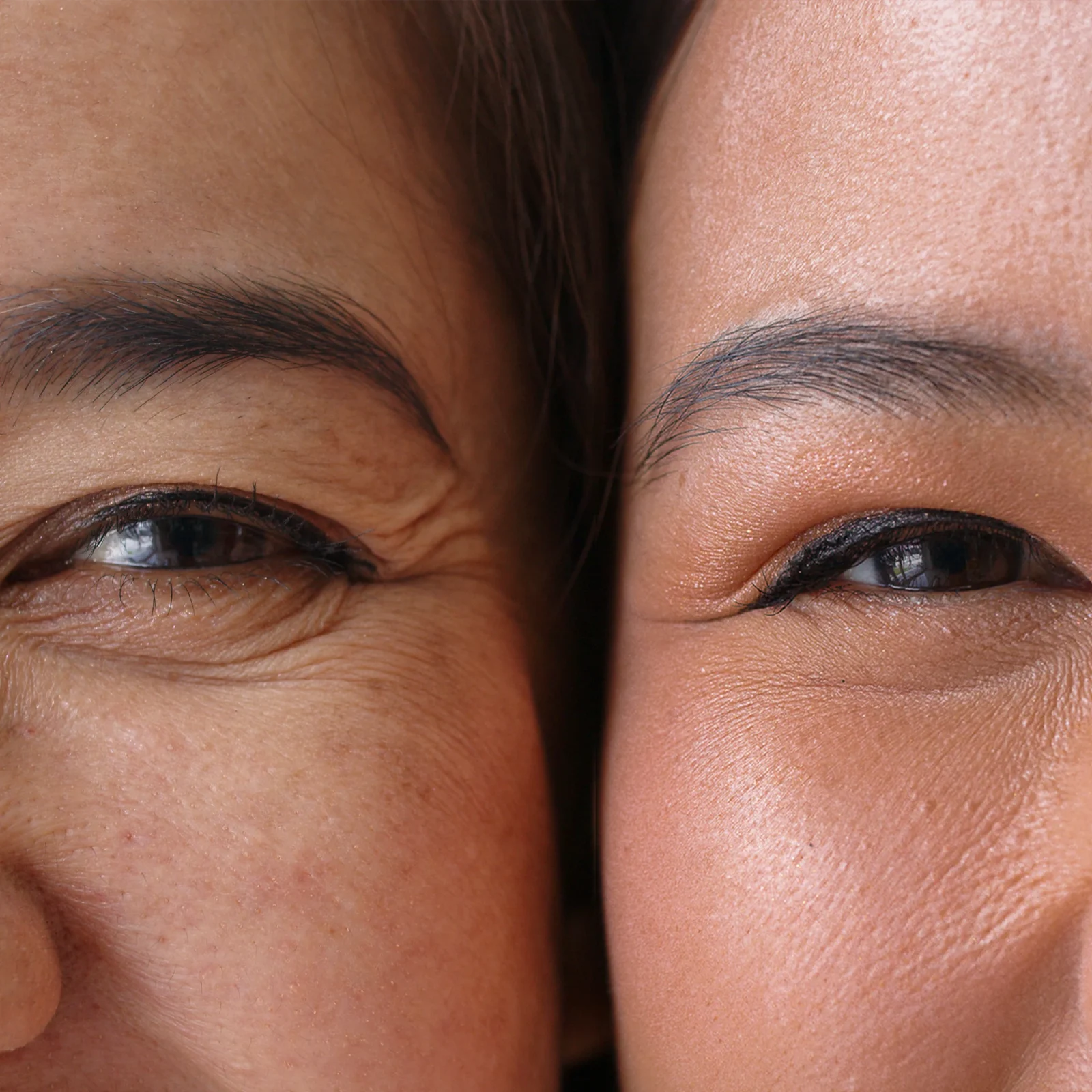


Have you ever noticed that the moisturizer you swore by in your 20s suddenly isn’t enough—or that your skin seems drier, more sensitive, or easier to irritate than it used to be?
There may be a reason: the skin barrier isn’t static. It changes throughout life, influenced by aging, hormonal shifts, environment, and lifestyle. That means the skin care that worked for you at one stage may not necessarily meet your skin’s needs at another.
Following the Unilever Beauty Science Summit held last October 1, 2026 at The Fifth at Rockwell, Allure Philippines sat down for an exclusive interview with Vaseline Global and Southeast Asia Research and Development Lead Anuchai Sinsawat, PhD, and Filipino occupational health physician Drolah Sanchez, MD, both speakers at the summit’s session, “Skin Barrier Vulnerability Across Life Stages.” They share what happens to the skin barrier over time, how hormonal changes can affect it, and how to tell the difference between skin that needs a little more support and symptoms that warrant a doctor’s attention.
What happens to your skin barrier as you age?
A published study in the National Library of Medicine defines one of the most important functions of the skin barrier as “the protection against water loss and the prevention of substances and bacteria penetrating into the body.” Another study further notes that “Lipids are important skin components that provide, together with proteins, barrier function of the skin.”
However, a study entitled “Aging of the Skin Barrier” states that “During aging, the structures and functions of the skin barrier are changed or disturbed.” Dr. Sanchez explains that the skin barrier naturally changes throughout our lives. “[When] we were young, we had this natural skin barrier. Our skin barrier is really nice,” she shares with Allure Philippines. “But as we get older, there’s a lot of exposure to pollution, to stressors in your lifestyle. So what happens is our skin barrier is compromised.” When that happens, she says, “There’s less moisture in the skin. The skin becomes more lax. It’s irritated.”
Aside from exposure to environmental stressors, a published study also supports that aging skin “is associated with structural and functional changes, along with increased skin vulnerability and skin dryness.” For Dr. Sinsawat, one of the key changes that happens with age involves ceramide, a kind of lipid, which a study defines as “the vital efficient barrier to water evaporation and protection from foreign agents´ penetration.”
Dr. Sinsawat says that “Your ceramides decrease as you get older.” He explains why that matters: “Ceramide is very important because it accounts for 50% of the skin’s [intracellular lipid] components.”
The decrease of ceramidesCeramidesWaxy lipids that naturally hold skin cells together and keep moisture locked in. When levels drop from over-exfoliation, weather, or aging, skin turns dry and reactive. Moisturizers with ceramides replenishGo to Ceramides Glossary in the outermost layer of the skin, as stated in a study, “is known to cause dry and barrier‐disrupted skin.” Dr. Sinsawat explains that the decrease of ceramides “will be creating micro-holes in your skin barrier, moisture escapes, irritants seep into your skin—and you get skin irritation and dryness.”
Hormones can change your skin barrier, too
Age isn’t the only factor that can change the skin barrier. Dr. Sanchez points to hormonal changes during certain life stages that can affect the skin as well. “[If] we’re pregnant [or going through] perimenopause, there [are] hormonal changes, she says. A published study from the National Library of Medicine expounds that “changes in estrogen during pregnancy also make the skin more susceptible to inflammatory factors and lead to more fragile and susceptible skin, weakening the skin barrier along with the lipid alterations.”
An article published by Colorado-based hospital Boulder Medical Center also points to skin changes during perimenopause and menopause, stating, “Women experiencing perimenopause and menopause often notice skin changes, including dryness, thinning, wrinkles, itching, and loss of firmness. These changes are caused by declining estrogen levels, which affect collagen, hydration, and the skin barrier.”
Why the skin care that worked in your 20s may not work forever
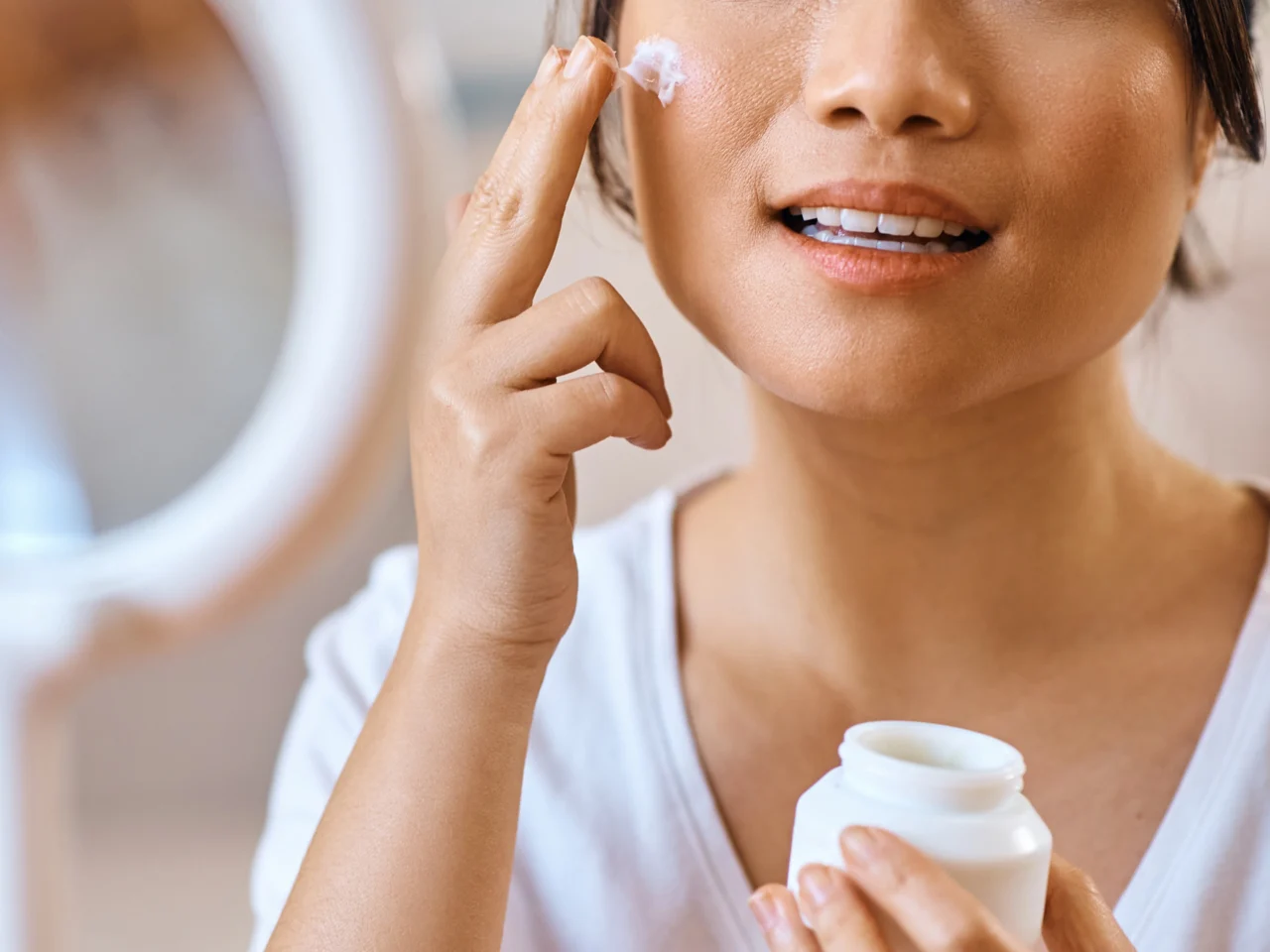
A skin care routine that worked well in your 20s may not necessarily address the same needs later in life, because “when you’re in your 20s, you have good ceramidesCeramidesWaxy lipids that naturally hold skin cells together and keep moisture locked in. When levels drop from over-exfoliation, weather, or aging, skin turns dry and reactive. Moisturizers with ceramides replenishGo to Ceramides Glossary, you have [a] good skin barrier, you have less transepidermal water loss,” Dr. Sanchez says. But she emphasizes that while younger skin has a naturally strong barrier, that doesn’t make it immune to disruption.“[If] you do not sleep, you don’t eat any food, you don’t exercise. So the skin barrier gets compromised.”
Hence, skin care, Dr. Sanchez advises, should evolve according to a person’s age and lifestyle. “So you have to give the patient the right skin care for their age and based on their lifestyle,” she says. Consulting a dermatologist can help personalize the assessment based on age, lifestyle, and skin needs of an individual.
Dr. Sinsawat similarly says the skin needs to be reassessed as it ages. “Basically, you need to try to kind of replenish your ceramides you’re using regularly by using, of course, [skin care] products,” he says.
How to support your skin barrier as you age
Dr. Sanchez’s starting point for younger skin is relatively simple: “You need just a mild cleanser, a mild tonerTonerA liquid step used after cleansing to rebalance, hydrate, or prep skin for the products that follow. Modern toners often focus on hydration or gentle exfoliation rather than stripping alcohol,Go to Toner Glossary, a mild moisturizer.” Meanwhile, Dr. Sinsawat especially recommends that younger consumers choose fragrance-free products.
Meanwhile, an article from the National Institute on Aging notes that age-related changes in the skin include increased fragility. But the advice includes a more diligent skin care routine and lifestyle changes more than product overhauls: using moisturizers such as lotions, creams, or ointments on a daily basis; using mild soap and warm, not hot, water when bathing or showering; and trying a humidifier, an appliance that adds moisture to the room.
Dr. Sanchez also makes a point about consistency when assessing whether a skin care routine is working. One of the most common comments she hears from patients is: ‘Doc, I’ve been using it for seven days. So I stopped. I can’t really see if it’s working.’
“It takes four to five weeks to know if it’s really working,” she says. “So consistency will always be the key.” But that does not mean pushing through signs that suggest inflammation.
When it’s more than dry or aging skin
Dr. Sanchez cautions that there are signs to pay attention to before automatically assuming that every change is simply part of aging or hormonal changes. “As you age, it is common that it gets dry. But it’s time for you to reassess if your patient suffers from pruritus, itchiness, redness, scaling, inflammation.”
While Dr. Sanchez says that many patients don’t immediately seek a dermatologist, “because maybe they say it’s too expensive to go there,” she says that a primary care physician can first assess the patient. “The primary care physician should assess first if it’s just dryness,” she says. “Is it a lifestyle? Or it’s just hormonal, or it’s hereditary? So it will depend on the assessment of the doctor and also the history.”
However, if signs and symptoms persist, worsen, or suggest a condition beyond dryness, seeking a board-certified dermatologist can help determine the underlying cause and appropriate treatment.