Morena Achievers: Asian Games Medalist Victoria Bossong Is Running for More Than Herself
After winning the bronze medal for the Philippines at the 2026 Asian Games, Victoria Bossong talks about heritage, tan lines, and what it means to be morena on the global track.


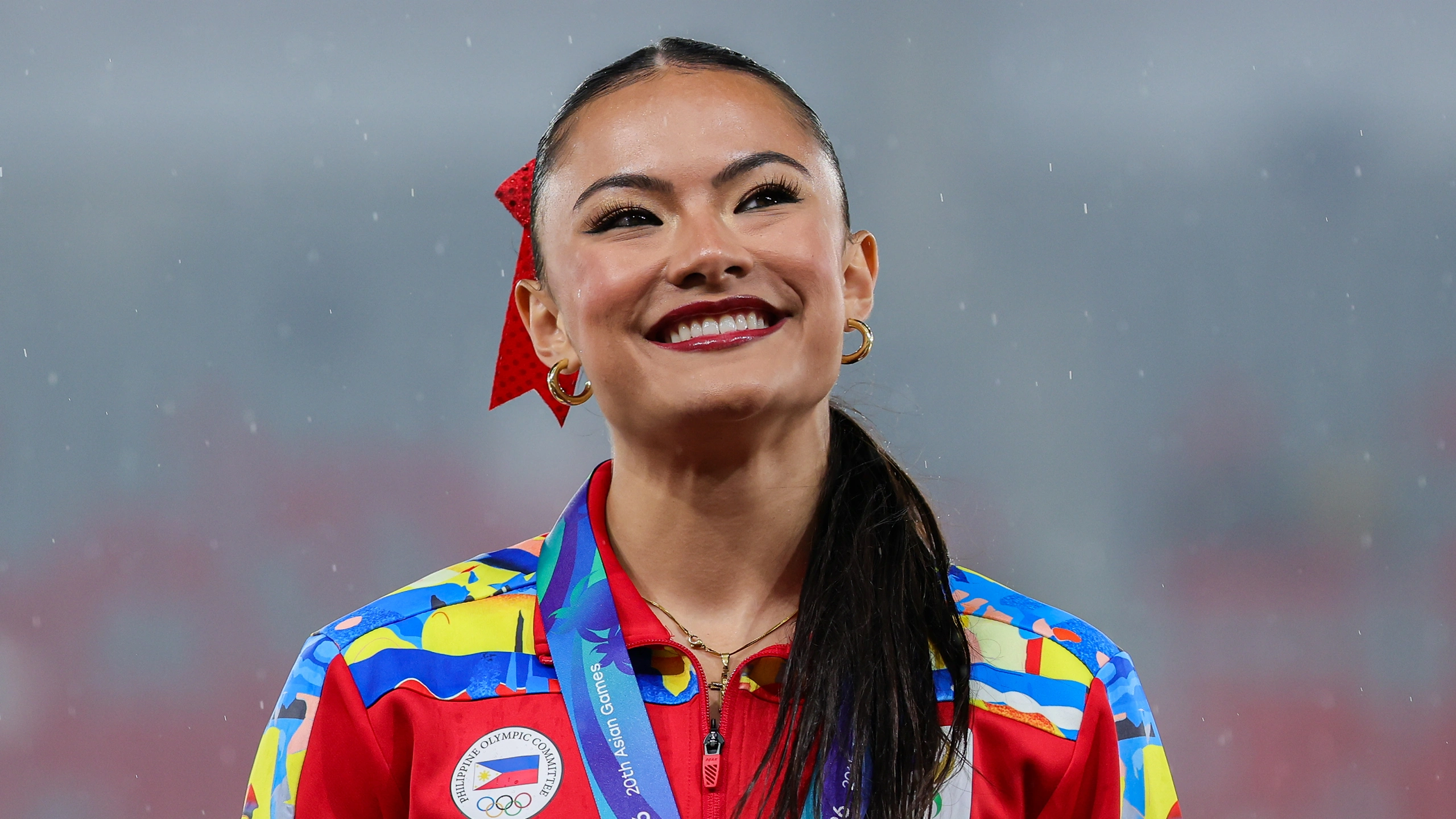
Victoria Bossong went into the 2026 Asian Games 800 m final as the fastest qualifier, registering a time of 2:02.34. She walked out with a bronze medal—the first she’s ever won wearing the Philippine colors.
It was the Filipino-American middle-distance runner’s first time racing in the blue, red, yellow, and white of the Philippine flag, and it deepened what the sport means to her.
The race itself takes about two minutes. The work behind it takes more. On race days, Bossong arrives at the track at least three hours early, gets adjusted by her chiropractor, and starts a 70- to 80-minute warm-up long before the call room opens. Somewhere in between, she puts on a full face of makeup, listening to a playlist she sings her heart out to.
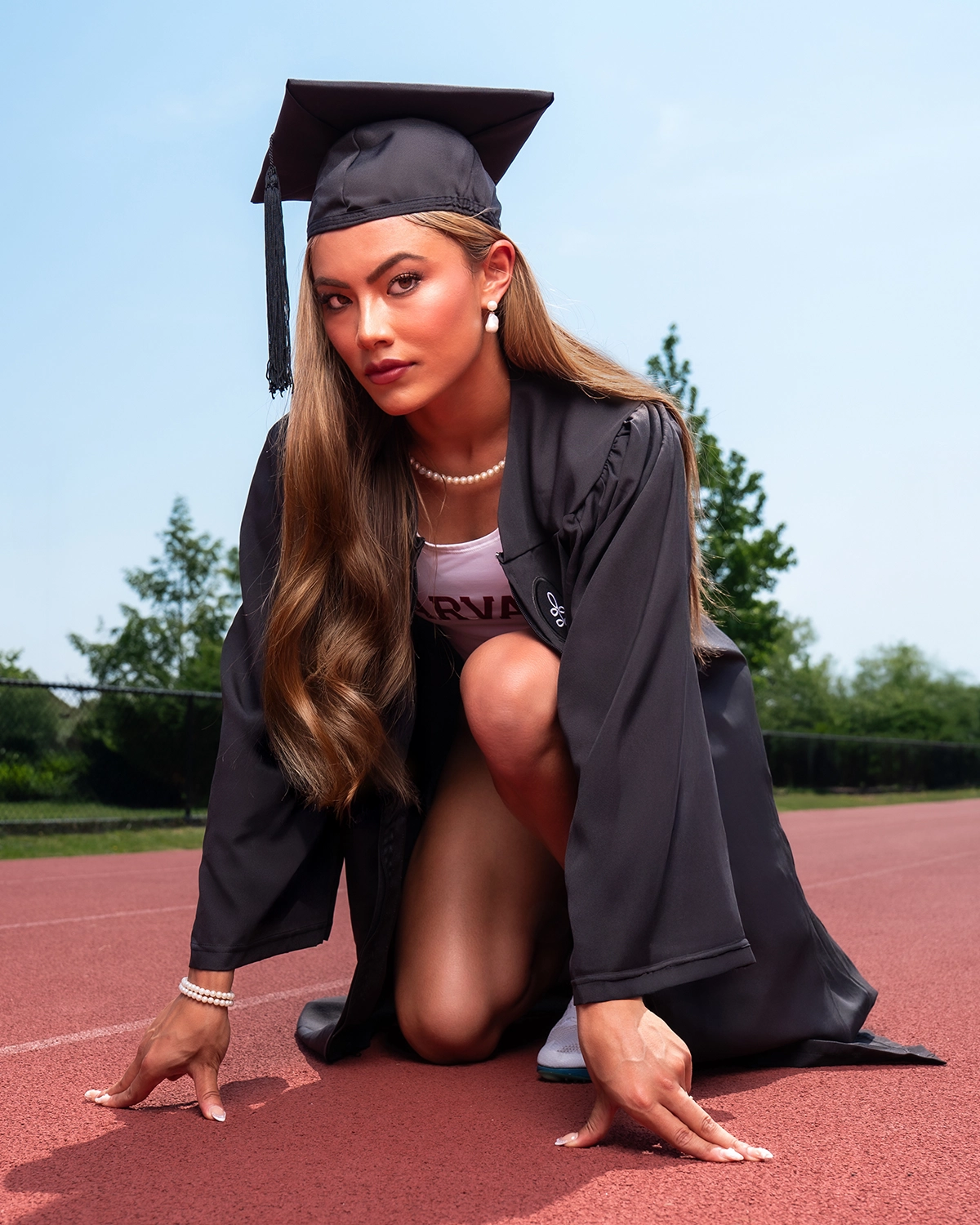
Michael Riley / IG: @michaelriley.arw
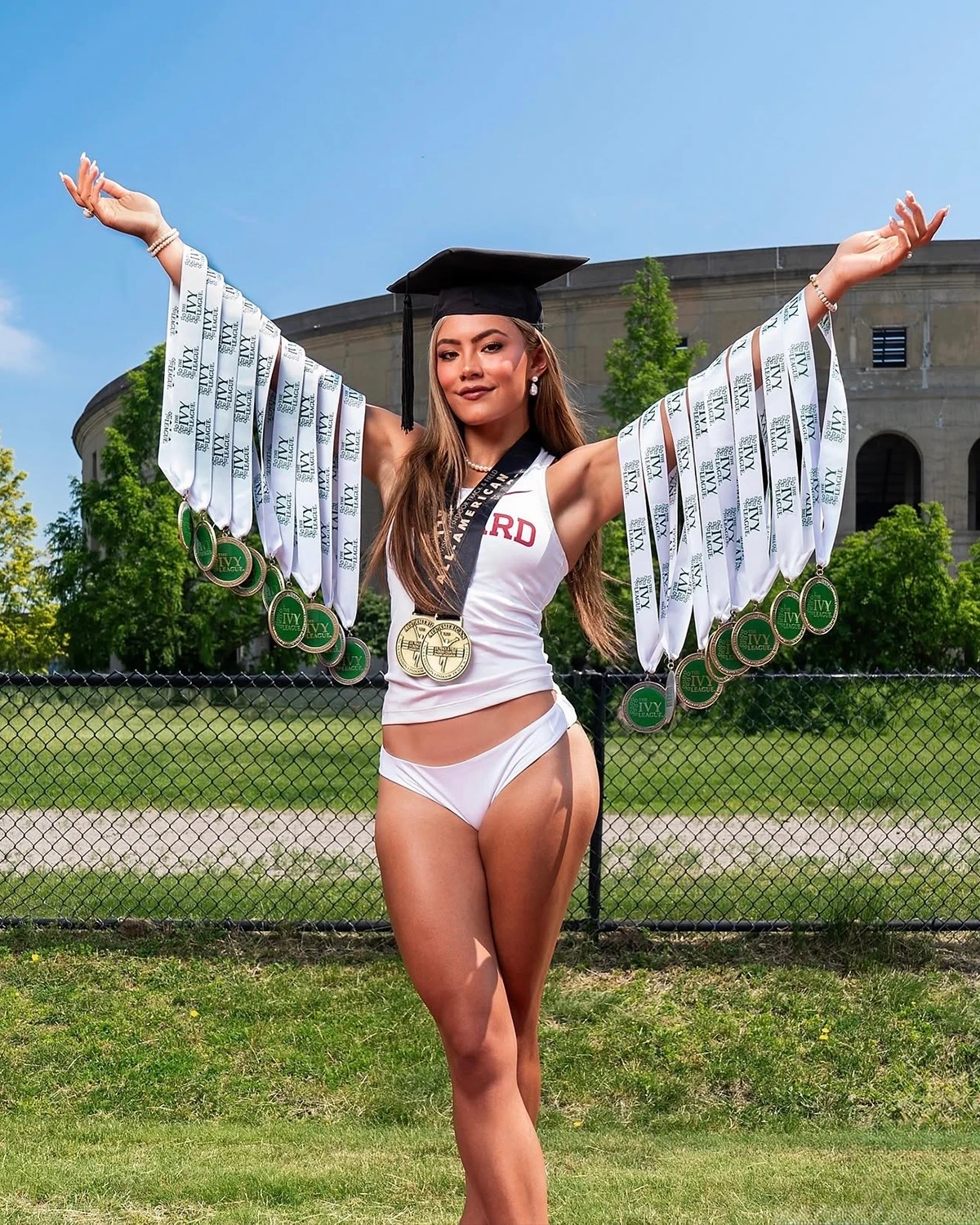
A Harvard neuroscience graduate with a secondary degree in global health and health policy, and with medical school on the horizon, Bossong aims high. And she knows who’s watching. As a morena athlete on an international podium, she hopes young Filipinos who look like her can realize that their skin color, background, and origins should never limit their ambitions.
In an exclusive interview with Allure Philippines, she gets candid about heritage, tan lines, and what it took to get here.
The bronze, the Philippine flag, and everything in between

Michael Riley / IG: @michaelriley.arw
Bossong had her eyes set on gold during the 2026 Asian Games.
She was ranked the top runner in Asia and Southeast Asia in March 2026, and the fastest qualifier for the final, but “rankings and times on paper,” she says, “never guarantee a medal, and that is part of what makes the sport so exciting.” If the results were decided, and the outcome was predetermined, Bossong says that there wouldn’t be any reason to race.
Aside from cinching a medal, to Bossong, it was the chance to represent the Philippines. It’s what made her choose to run for the Philippines in the first place. She received numerous calls from the United States in the past, but she ultimately chose her home country.
It was important for someone who was born and raised in the US. Her mother, Catalina Atienza, hails from Oriental Mindoro, and her aunts and uncles helped raise her. “Being Filipina has always been a very important part of my identity, even though I grew up in the US,” she shares.
Her connection to the Philippines was rooted in her family and upbringing: the closeness, the caretaking, and the habit of celebrating each other’s wins, along with the food and values. While she didn’t live a life someone raised in the Philippines would have, representing the country became her way into it.
“I’ve always been very proud of my Filipino heritage,” she says. “But representing my country has allowed me to connect with that side of myself in a way I hadn’t experienced before. It’s definitely deepened that connection and given me an even greater appreciation for the country and its people.”
She experienced firsthand the pride and sense of community Filipinos share during the 2026 Asian Games, from her teammates and strangers alike. “When you step on the track wearing the Philippine colors and holding the Philippine flag, you’re running for more than yourself,” she shares. “Seeing the support, even from people I’ve never met, was super heartwarming.”
The next margin
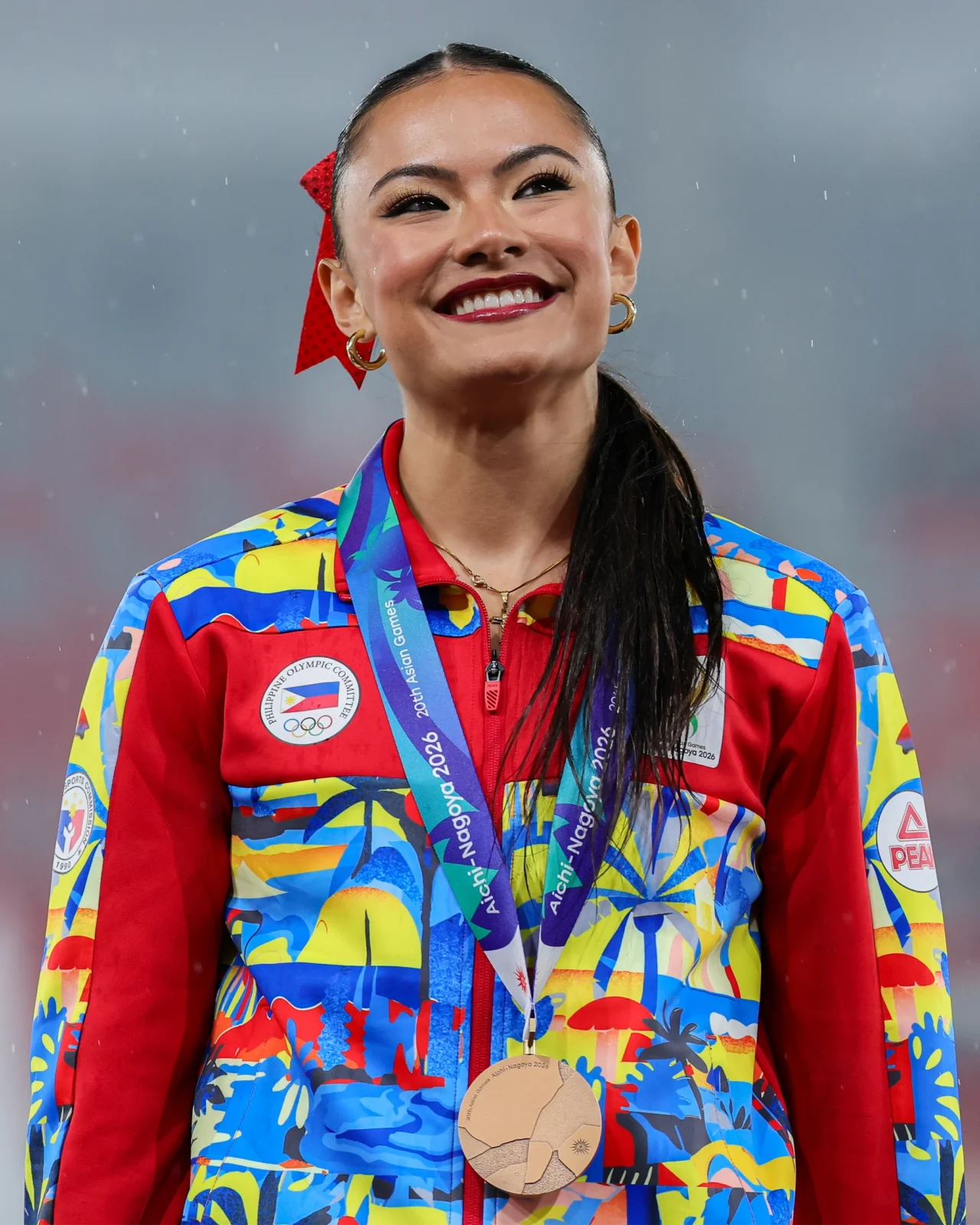
Image courtesy of Victoria Bossong (@victoriabossong)
Bossong calls her bronze medal a “stepping stone” to an Olympic podium. The next level, she says, isn’t about reinvention or a change in her routine. “I know the training is working for me, and I have the fitness to compete with the best athletes in the world,” she says. What it will take is attention to detail.
For instance, at the 2026 Asian Games, the winning time was around 2:04, and Bossong finished at exactly 2:05.34.
But for her, that was the lesson. “It doesn’t matter what you’ve done in practice, or earlier in the season, or even the day before,” she says, matter-of-factly. “It matters who finishes first in those two minutes, and that’s who gets gold.”
The experience, she says, is exactly what she needs, and she believes in her heart that her best is still yet to come. “You can think of it as a failure, but it’s only a failure if you don’t learn from it. I don’t feel like I’ve reached my ceiling yet,” she says with a smile.
The hundreds of ordinary days
Bossong has learned how to read her body closely, especially as a runner at her level. Her first lesson was about balance.
“One of the biggest things being an athlete has taught me is how to find the balance between pushing my limits and knowing when to listen to my body,” she says. The sport itself demands that she be, in her own words, “comfortable being uncomfortable,” but there’s a line. “There’s a difference between challenging yourself and ignoring signs that your body needs to rest and recover,” which she considers an important part of being successful in her field and a part of training.
The second lesson is that her body is an unreliable narrator. On some days, she feels amazing during warm-ups but falters in her runs. On other days, she’s convinced the day will go horribly, and then she runs one of her best races. “How you feel doesn’t always reflect what you’re capable of on the day,” she says.
Her solution is to just stop overanalyzing everything.
“Sometimes, especially on race day, you just have to trust the work you put in and let your body do what it’s trained to do.”
The medals don’t account for how unglamorous the work behind them can be. Her warm-ups on training days can go from a quick 15-minute stretch and laps before an easy run to an hour with hurdle mobility and drills.
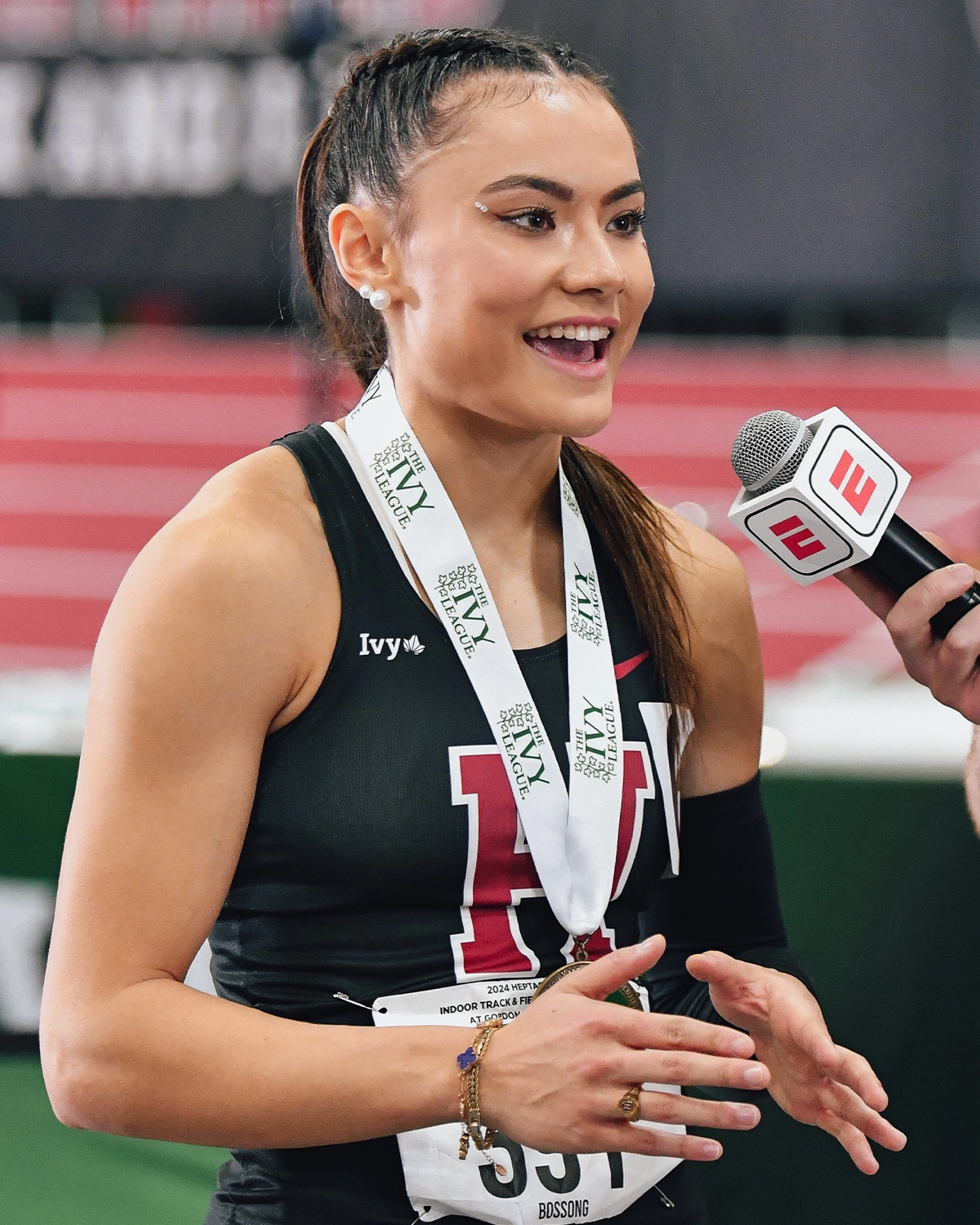
Images courtesy of Victoria Bossong (@victoriabossong)
“People see the races, the medals, the fast times. They see us travel to really cool places and do interviews,” she shares. “But they don’t see the hundreds of very ordinary days that go into making those moments possible.” That means planned meals, prioritized sleep, hours of recovery, and a social life she’s had to trade away.
The unpredictability of her sport can be just as easy to overlook. She can’t map out her season since meet directors decide who runs in races, and her race lasts under two minutes. “You can spend months training for it, do everything right, and still not get the results you were hoping for,” Bossong says. “There’s no guarantee that any amount of work you put in will directly translate into how successful you are.”
Accepting that uncertainty while still showing up daily, she explains, is one of the hardest parts of being an athlete.
A body built for the work
Track gave Bossong a new way to value and appreciate her body. “One of the greatest things the sport has given me is an appreciation for my body based on what it’s capable of, not just what it looks like,” she shares.
Growing up, she recalls, women are exposed to beauty standards and expectations. It’s easy to fall into the trap of comparing yourself to a certain ideal. But being an athlete has shown her how much a body can do beyond aesthetics. She’s learned to appreciate strong legs and hard-built muscle, “not because of how they look, but because of how much work has gone into developing that strength and what it allows me to do on the track.”
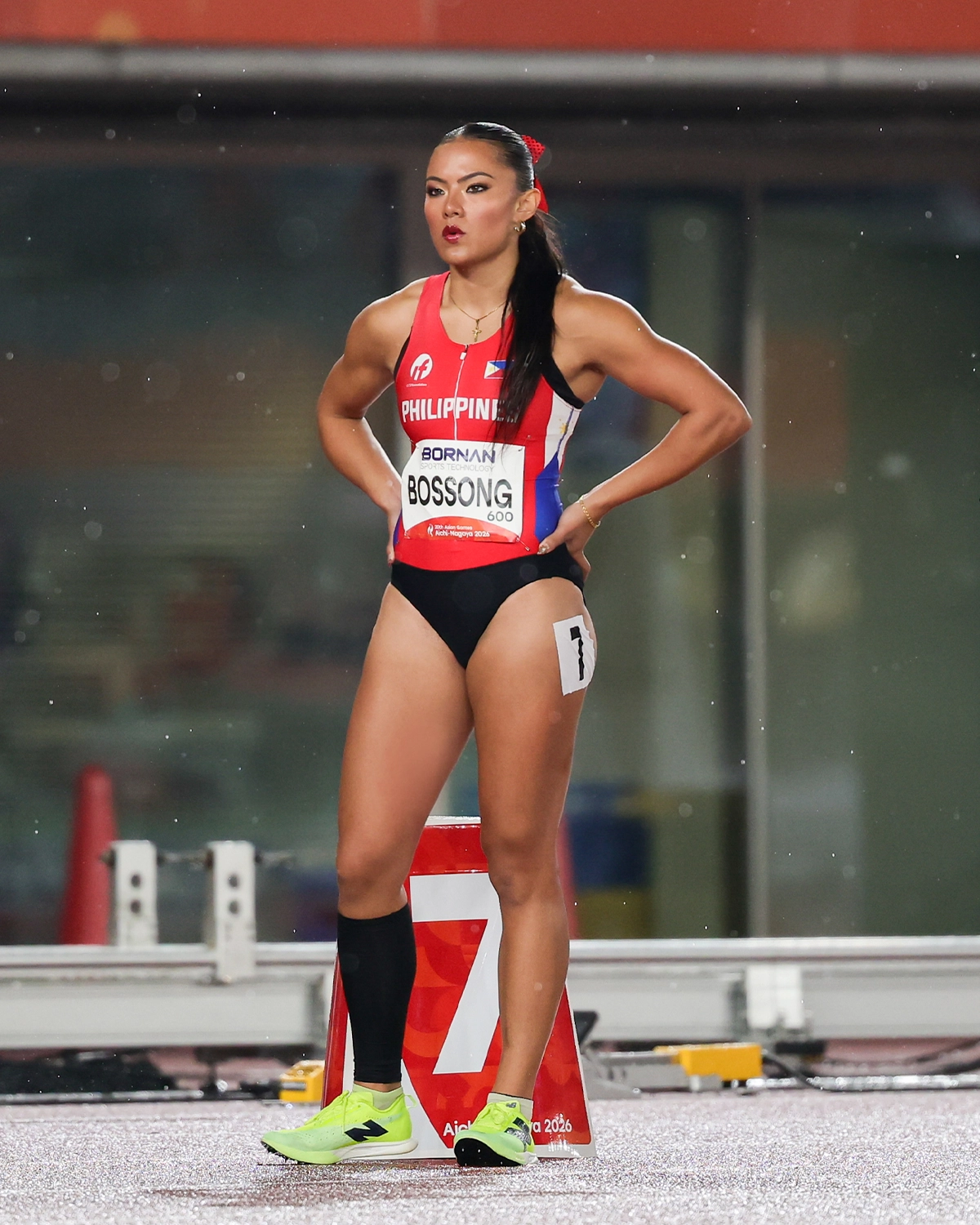
Images courtesy of Victoria Bossong (@victoriabossong)
Bossong sees this at every meet she competes in. “The body you need to perform your best at might not always align with conventional beauty standards, and that’s completely okay,” she says. In a sport like track, she’s seen women with different body types excelling in their respective events, and she takes that to heart.
“I think that’s been a valuable reminder that there isn’t just one particular athletic or beautiful body, nor a particular way a body is supposed to look like,” says Bossong. She doesn’t particularly care about fitting a certain image, preferring to focus on strength, health, and the ability to perform at her best.
The mind-body connection
Her Harvard neuroscience degree gives her a technical perspective. Studying the brain, she says, “made me a lot more aware of just how connected the mind and body are, especially at the elite level,” where everyone in the field is physically capable.
“How you respond to pressure, how you manage anxiety, and how you interpret physical discomfort can all have a very large impact on your performance.” Bossong is especially interested in how the brain shapes this perception of limits. She says that anything that “feels like a physical barrier can be influenced by what your mind thinks you’re capable of doing.”
Michael Riley / IG: @michaelriley.arw
She also knows where the science stops and when it should. “You can understand all the science behind everything,” she shares. “But on race day, when you step on the track, you just have to turn your brain off and compete.”
She channels those thoughts and anxieties into something else. About two months ago, Bossong started seeing a sports psychologist, and she’s trying to make it into a weekly routine, even when it’s harder during pro season—which can vary every year.
The point, she says, is staying consistent with it. “Training the mind is the same thing as training your body,” Bossong shares. “It’s a part of your body, but people don’t frame it that way. You can change your mind and have it grow and become stronger, just as you can make your body stronger.”
The tan lines she’s earned and loved
Bossong has always loved her natural tan, and she’s grown to appreciate her skin as an athlete. “It’s a little reminder of all the time I spend doing what I love,” she shares.
As she grew older, she started caring for it even more. “I’ve become more conscious of the importance of taking care of my skin and protecting it, especially with how much sun exposure I get,” she says.
Her relationship with her skin, she shares, has become less about how it looks and more about keeping it healthy. “It’s a more mature way of looking at it, and I appreciate my natural complexion and everything that comes with being an outdoor athlete.”
Growing up biracial in the US, she’s learned that beauty standards depend on where you’re standing, especially with how the Philippines and many other Asian countries favor lighter skin, while the US considers tan skin desirable. These contrasting ideals, she says, puts into perspective how subjective beauty standards can be.
Being morena, for Bossong, is bigger than just complexion. “It’s about embracing part of my identity and feeling confident in who I am.” She also thinks about who is watching her on her journey—the young girls who are looking for representation on the global stage.
“It’s really important for young girls to grow up seeing different skin tones celebrated, especially in cultures where certain standards have been deeply ingrained for generations,” she says. Her visibility on the international stage, she hopes, helps.
“Beauty can come in many different shades. There’s no correct way to look Filipina.”
An ambitious morena on the global stage
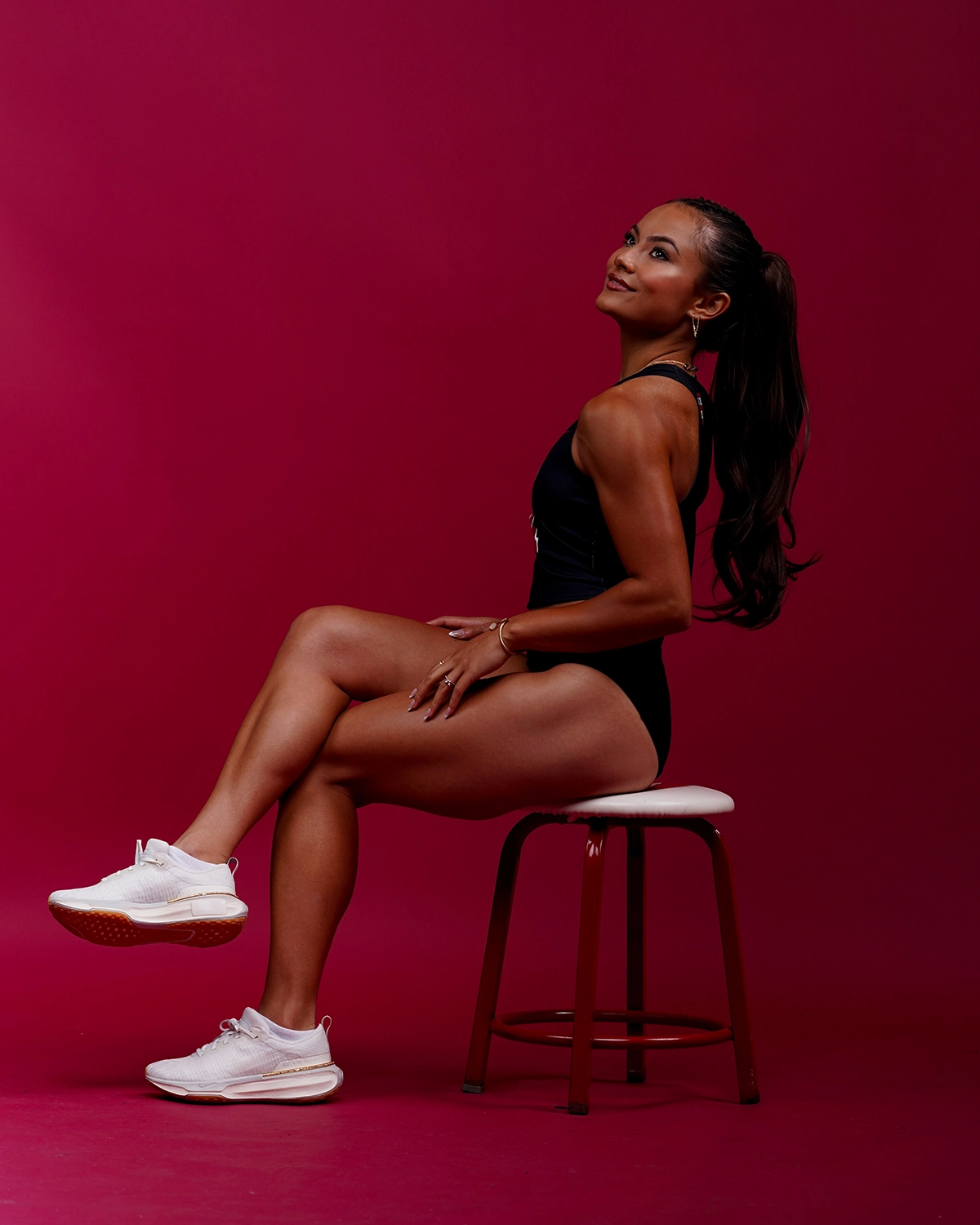
When asked what she hopes a young morena Filipina would feel when they see Bossong on the international podium, Bossong reflects on the importance of representation. “I hope she sees someone who reminds her that her background, skin color, or where she grew up should not limit what she’s capable of accomplishing,” she shares. “When you’re young, just seeing someone who looks like you achieving at such a high level can make those same opportunities feel more attainable for a young boy or girl.”
Michael Riley / IG: @michaelriley.arw
She also wants to let young Filipinos know that they don’t have to fit into a certain mold to get recognized. “You can embrace your culture, your femininity, and all the different things that make you who you are, while also being incredibly ambitious and competitive.”
For Bossong, knowing she could make a difference in even one girl’s life is more than enough for her. “Encouraging even one young girl to pursue something she might not have thought was possible for herself would mean the world to me,” she says, smiling.
Victoria, off the track
When asked about who she is when she’s not wearing her runner, student, or medalist hats, Bossong’s answer is incredibly down-to-earth. “It’s in the simple, everyday things,” she shares. She prefers spending time with family and friends, getting dressed to go out, traveling, or even enjoying a quiet night at home.
With a life built around school and her sport, Bossong values the unplanned things outside of it. “I really appreciate the moments where I can just be spontaneous.”
She openly expresses her femininity through fashion, beauty, and other kinds of creativity. In high school, she says, music and academics were her main focus. Now, with track as her profession, music has become her outlet.
Bossong doesn’t want running to define who she is. She’s incredibly passionate about her sport, but at the end of the day, it’s not something that she wants to be known for entirely.
“I’m most myself when I’m around the people I love, just laughing, having fun, and not thinking about the next goal I need to accomplish.”
Frequently Asked Questions
Filipino-American runner Victoria Bossong won bronze in the 800 m at the 2026 Asian Games, her first medal wearing the Philippine colors. She entered the final as the fastest qualifier and ultimately finished in 2:05.34, behind a winning time of around 2:04.
Victoria Bossong chose the Philippines because being Filipina is central to her identity, even though she grew up in the US. Her mother, Catalina Atienza, is from Oriental Mindoro. She received calls from the US but ultimately chose her home country.
Victoria Bossong arrives at the track at least three hours early, gets adjusted by her chiropractor, and starts a 70- to 80-minute warm-up before the call room opens. She also puts on a full face of makeup and listens to a playlist she sings along to.
Bossong says being morena is about embracing part of her identity and feeling confident. Growing up biracial in the US, she learned beauty standards vary by place: the Philippines often favors lighter skin, while the US considers tan skin desirable. She says there is no correct way to look Filipina.
Victoria Bossong says she has become more conscious of caring for and protecting her skin because of heavy sun exposure. She sees her tan as a reminder of the time spent doing what she loves, and her focus has shifted from appearance to keeping her skin healthy.