Unapologetically Morena: 8 Filipinas Redefining What It Means to Be Beautiful
From unlearning “maputi” as the beauty ideal to celebrating the skin they’ve always loved, these eight Filipinas share what morena pride means to them.



Growing up in the Philippines, many of us learned early that being “maputi” was the beauty standard. Our moms grew up with that mindset, so naturally, we were taught the same: lighter was better, and that our natural shade was something to fix. That lesson stuck, and for some of us (including myself), it still whispers in the back of our minds.
We saw this in the whitening soaps and products being sold in department stores, beauty aisles, and sari-sari stores; in the warnings from our older relatives, saying, “Mag-payong ka, mangingitim ka”; and in the “Maganda ka, pero…” compliments that both confused and uplifted us.
But the narrative is changing for the better. More and more morenas are learning how to love their skin, not despite the sun, but in full, golden-brown color. Here are some prominent morenas Allure Philippines has featured and the lessons they’ve learned in loving their own skin color and inspiring others to do the same—from getting inspiration from a Hollywood star to just embracing it from the very beginning.
Agot Isidro, award-winning actress and singer
Agot Isidro grew up the darkest among five siblings who had fair skin and blonde hair. She was a girl who loved to swim outdoors, which gave her golden-brown skin an uneven tone.
Isidro found herself getting pressured by everyone around her, which led her to briefly try glutathione. But after a while, she learned to accept herself. “As I got older, I just didn’t care anymore. This is who I am,” she shared previously.
The actress considered that foray into glutathione as a “puzzle piece” to the bigger picture: her loving her own skin.
“I didn’t like myself before,” she admitted, “but every year that passes, I’m kind of liking myself more and more. You have to go through it—the only way out is through. You can change your look, but how you see yourself, that’s up to you.”
Mylene Dizon, award-winning actress
Mylene Dizon has always been proud of her morena skinMorena SkinA celebration of natural brown Filipina skin tones, central to Allure Philippines' Morena Manual. Morena skin has distinct needs, including protection from hyperpigmentation, foundation shades that match its undertones, andGo to Morena Skin Glossary.
With 29 years of experience as an actress, she’s placed herself at the forefront of morena representation in the entertainment industry. A proud sports enthusiast, Dizon spends most of her time outdoors and enjoys surfing most of all. She has travelled across the Philippines for the sport and has come across numerous Filipinas that share her skin tone and more.
“Ang ganda ganda ng kulay natin,” she told Allure Philippines. “I really want more people to be proud of the skin tone that we are born with here in the Philippines. I wish more people would see the beauty in our color.”
Even when confronted with comments about her skin tone, Dizon proudly wears hers and wishes others to do the same.
“I’ve always embraced being a morena. I am proud of my skin color—my Filipina color. And I am proud of all the morenas out there who are courageous enough to also be proud of their color. I think it’s so beautiful.”
Elaine Abonal, Filipina surf coach and entrepreneur
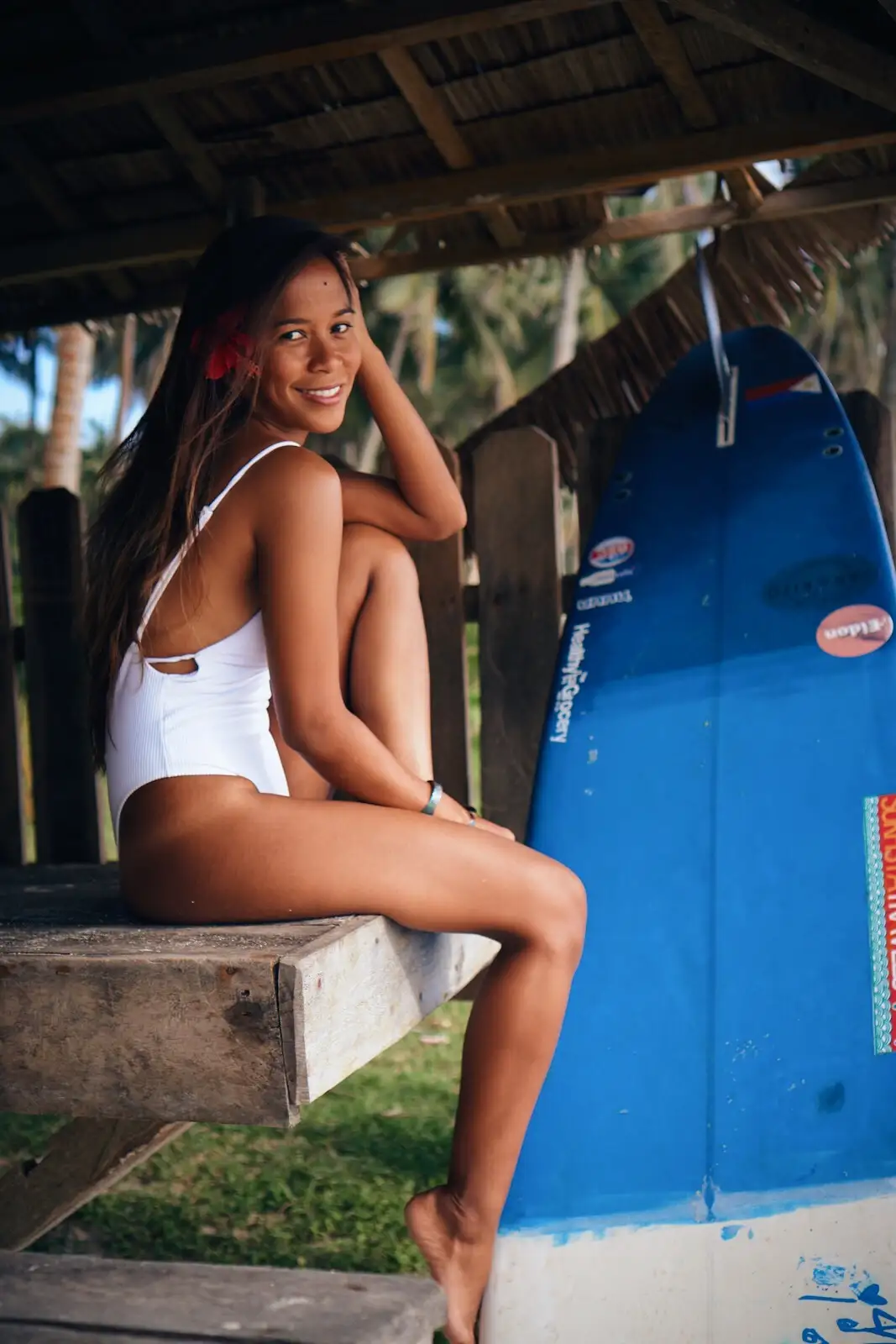
@elaineabonal on Instagram
Despite spending an idyllic childhood under the glowing sun and the outdoors, surf coach Elaine Abonal grew up hearing negative comments about her skin tone. She’d been called names all her life: “negra,” “monkey,” and even “taeng kalabaw.”
It wasn’t until she got older, travelled, and studied abroad that she learned to appreciate her morena skin.
“My friends in the U.S. and Europe thought my skin was gorgeous and that I should never change it. My morena skinMorena SkinA celebration of natural brown Filipina skin tones, central to Allure Philippines' Morena Manual. Morena skin has distinct needs, including protection from hyperpigmentation, foundation shades that match its undertones, andGo to Morena Skin Glossary is what they wanted,” she shared with Allure Philippines. “The fact that I looked different was what made me beautiful and unique. I realized my skin is part of what connects me to the ocean, to the tropics, and to the island girl that I am.”
Now a surf coach based in Siargao, Abonal proudly wears her morena skinMorena SkinA celebration of natural brown Filipina skin tones, central to Allure Philippines' Morena Manual. Morena skin has distinct needs, including protection from hyperpigmentation, foundation shades that match its undertones, andGo to Morena Skin Glossary—and it’s one of the things she wants to teach her daughter. “I want to keep sharing this morena pride with the world.’
Booya Mocorro, professional makeup artist and beauty creative
Makeup artist and frequent Allure Philippines collaborator Booya Mocorro grew up without the pressure of whitening her skin to fit beauty standards. She owes this to her mother, Joan, who taught her from a very young age that her natural, golden-brown skin was beautiful.
“I lived with a mother who is an artist,” she told Allure Philippines, “who saw beauty in everything and never failed to express how she loved me, and encouraged my beauty. I, in turn, saw beauty in all complexions and in my own, because she modeled it for me.”
This mindset continues to move Mocorro in her career as an editorial and bridal makeup artist based in Manila. As a morena herself, she knows what looks good on morena skinMorena SkinA celebration of natural brown Filipina skin tones, central to Allure Philippines' Morena Manual. Morena skin has distinct needs, including protection from hyperpigmentation, foundation shades that match its undertones, andGo to Morena Skin Glossary, and loves making her clients feel comfortable in their natural skin tone.
It’s just one of the few ways she proudly expresses her love for her skin tone. “Everyday, I am very grateful I came into this life as a Filipina and all the gifts it came with—our history, landscape, art, culture, beauty, and also my morena complexion.”
Wilma Doesnt, model, actress, and comedienne
Wilma Doesnt’s skin tone falls on the deep end of the morena spectrum—a rich, dark chocolate brown that’s rare for even most Filipinas in the country. She grew up with taunts and teases about her skin tone, and her career in the modeling and entertainment industry started almost the same way.
She was never the poster girl for models, nor was she given leading roles in teleseryes. “Ganoon naman mentality ng Pinoy,” she explained. “Kung maputi ka, dapat ikaw ‘yung Mama Mary, dapat ikaw ‘yung prinsesa, ikaw ‘yung bida kasi maputi ka. Sa pagkagaya ko na colored, pampadami kami, pang-character role, pang-add on, pandagdag ng kulay sa mga teleserye. Minsan nakakasama ng loob.”
At some point, she was even offered an endorsement for a whitening product, which she turned down. These kinds of experiences, she told Allure Philippines, shaped her pride as a morena.
“Kasi kapag hindi ko minahal sarili ko at hindi ko in-embrace sarili ko, sino mage-embrace sa akin?” she asked. “Nobody will embrace me if that’s the case, kasi kahit ako, I don’t believe in my color eh! It may sound cliché, but ikaw mismo, sa sarili mo, you have to start from yourself. So I did it. I came all the way from Cavite City; take it or leave it na lang.”
Iza Calzado, award-winning actress and mother
It’s no secret that Iza Calzado loves her morena skin. From when she entered the showbiz industry, and even when she didn’t have the ideal weight or look for a teleserye actress, she has always loved her skin tone and proudly shows it off.
Calzado, who grew up with a fair-skinned mother, described her as someone who would sometimes love her skin tone and not at other times. She shared with Allure Philippines how she used to associate her skin color with her dad. “I wasn’t teased about it, but it was not considered beautiful.”
Even when she was already an established actress, Calzado still received backhanded comments about her skin tone, getting questions like, “Do you ever think of how much more beautiful you’d be if you were whiter?”
But it never crossed Calzado’s mind. Not even once.
She owes her love for her morena skin to a beloved pop icon she’s always idolized: Jennifer Lopez.
“I was in high school when J.Lo came out, and I really wanted to be her, with her bronzed skin!” Calzado shared. It was a time for skin whitening, and locally, it was not the thing to possess that bronzed glow. “Hindi pa siya ganoon ka-accepted, but I guess ‘cause I was really into Hollywood, hindi ako bothered.”
Quenee Vilar, chef and co-owner of Michelin-starred Celera
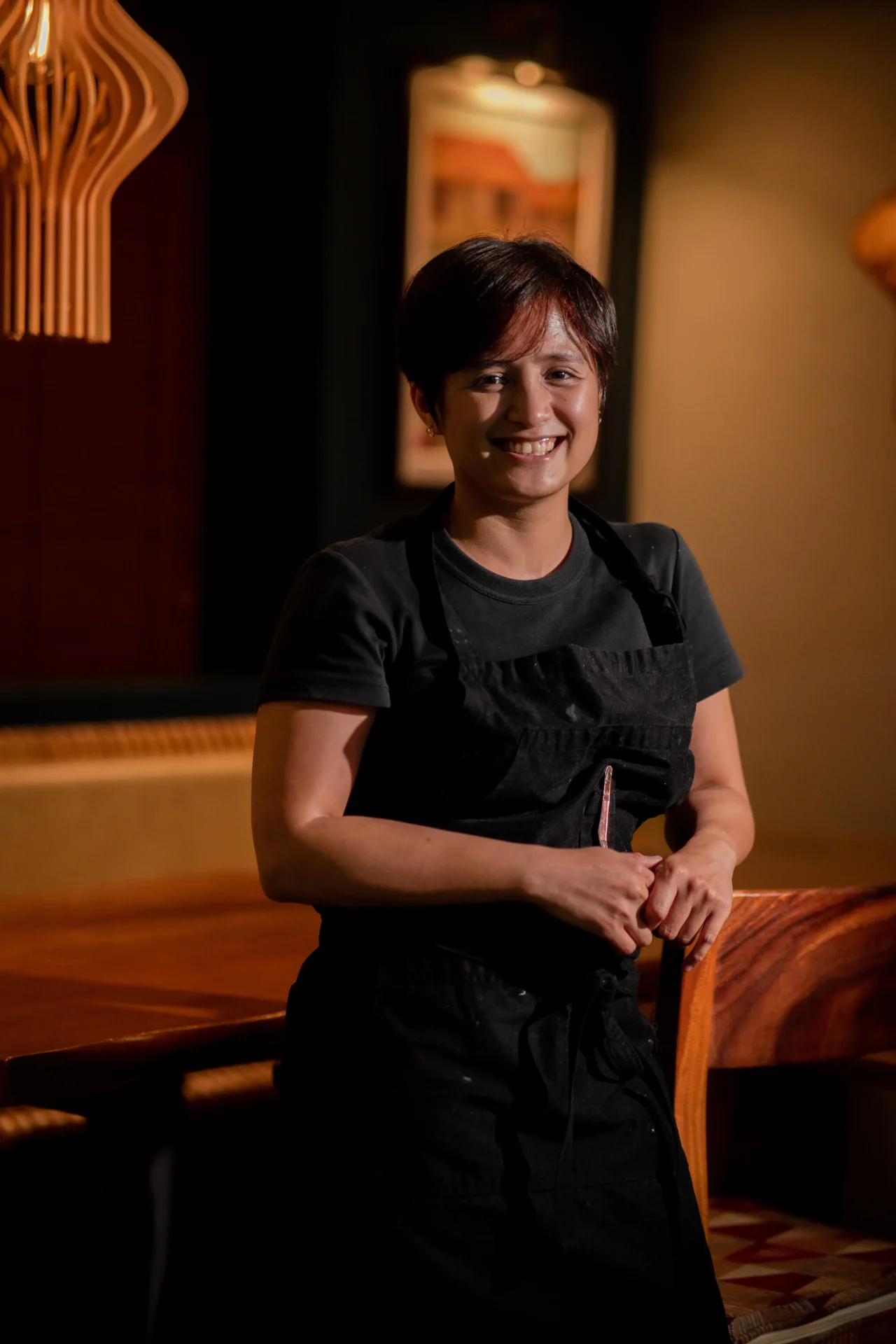
@queneevilar on Instagram
Before she became the sous chef and owner of the one-Michelin-starred restaurant Celera, Quenee Vilar was a swimmer who used to compete under the heat of the sun. Even while she was competing, Vilar used to have a tiny voice in her head that told her to not get darker.
She called this unnecessary pressure a distraction from her goals, and she eventually learned that her morena skinMorena SkinA celebration of natural brown Filipina skin tones, central to Allure Philippines' Morena Manual. Morena skin has distinct needs, including protection from hyperpigmentation, foundation shades that match its undertones, andGo to Morena Skin Glossary—which turned golden after the time she spent outdoors—was something to be celebrated instead.
“Over time, I realized that taking care of my skin and keeping it healthy gave me the confidence I needed,” Vilar shared. “I believe my skin is part of who I am, and embracing it has helped me stay confident and true to myself. Being comfortable in my own skin is one of my strongest qualities.”
When asked about what she loves about her skin, she said, “I love being a morena because it immediately reflects my nationality and who I am. I really love my sun-kissed tan—it’s something I find beautiful. When the sunlight hits my skin, it gives me a golden glow, and I honestly love that. It feels natural, confident, and I believe it truly suits my personality.”
Anya Lim, co-founder, managing creative director of Anthill Fabric Gallery
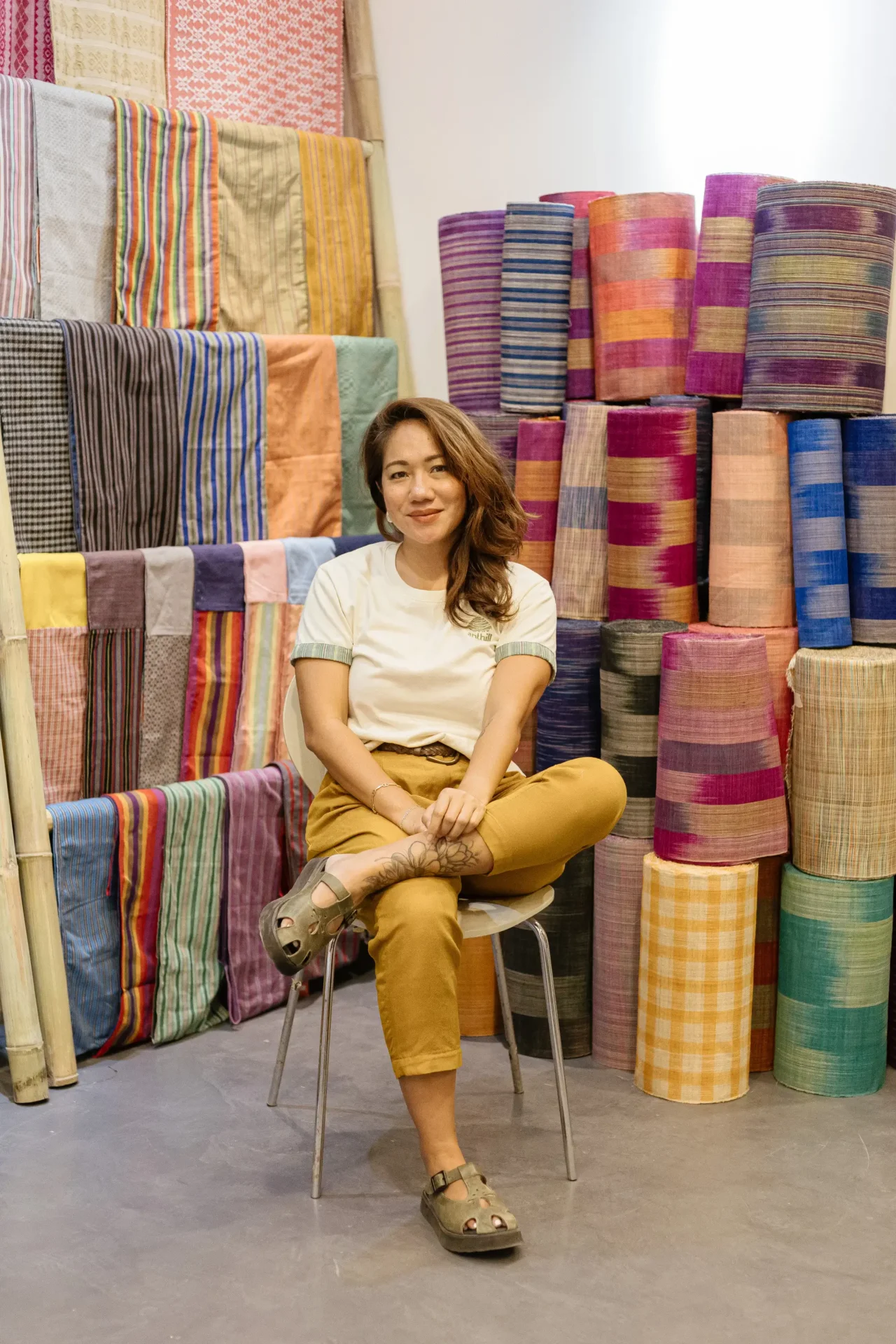
@joyanyalim on Instagram
Being morena has always been the heart of what makes Anya Lim proud to be a Filipino.
Lim grew up spending her time outdoors, either playing with the neighborhood kids or enjoying nature. She likened her morena skin—her “kayumangging balat”—to the bark of a tree, carrying memories of her childhood. “I feel like it is a huge part of what makes me feel rooted to who I am,” she told Allure Philippines.
Like many others, she’s been called names, even by her family members. But she’s never taken them to heart, because her mother did work with the indigenous Aeta community and told her stories about it. “Because of that, I never saw those comments as insults. Instead, I understood them as reminders of my ancestry and wore them as a badge of pride,” Lim said.
As a social entrepreneur with a brand spanning across the archipelago, she’s formed a web of connections, built on the love, pride, and faith she has in her Filipino identity. Our morena skin has always been admired by Western countries, but to her, it’s more than just a beauty standard—it’s a representation of cultural pride.
“It reflects the warmth of our people and the brightness of our personalities,” she shared. “Being morena also works to my advantage in my line of work, especially when I’m in rural and indigenous communities. My skin color makes me more relatable, more approachable, and helps me build connections as if saying— I’m one of you. We belong together.”
Frequently Asked Questions
Morena is the Filipino term for a golden-brown to deep brown skin tone. Many Filipinas grew up hearing that maputi, or fair skin, was the beauty ideal, so embracing morena skin has become a way to push back on that standard and celebrate natural complexion.
Filipinas unlearn the maputi beauty standard through self-acceptance, representation, and family influence. Featured morenas cite supportive mothers, travel abroad, role models like Jennifer Lopez, and refusing whitening endorsements as ways they stopped treating their natural skin tone as something to fix.
Colorism is prejudice favoring lighter skin, and in the Philippines it shows up as whitening products, comments like “Mag-payong ka, mangingitim ka,” and casting that gives fair-skinned actresses lead roles. Wilma Doesnt describes being offered mostly character roles because of her deep morena skin.
Morena Filipinas speaking about skin pride include Agot Isidro, Mylene Dizon, Elaine Abonal, Booya Mocorro, Wilma Doesnt, Iza Calzado, Quenee Vilar, and Anya Lim. They span acting, surfing, makeup artistry, comedy, cooking, and social entrepreneurship, each sharing how they came to love their skin.
Loving morena skin often starts with a shift in perspective. Agot Isidro says how you see yourself is up to you, while Booya Mocorro credits her mother for modeling beauty in all complexions. Others point to ancestry, time outdoors, and a sense of Filipino identity.