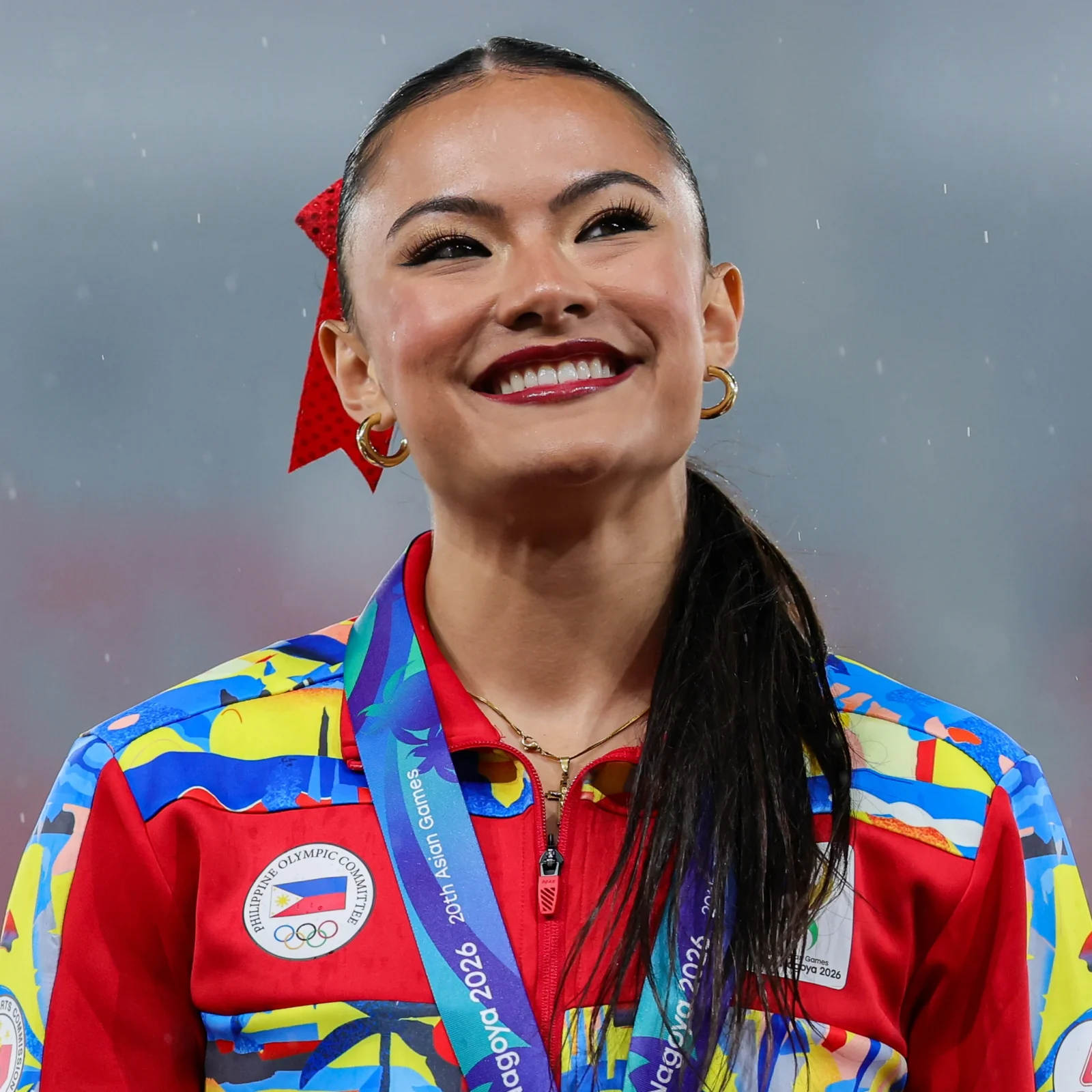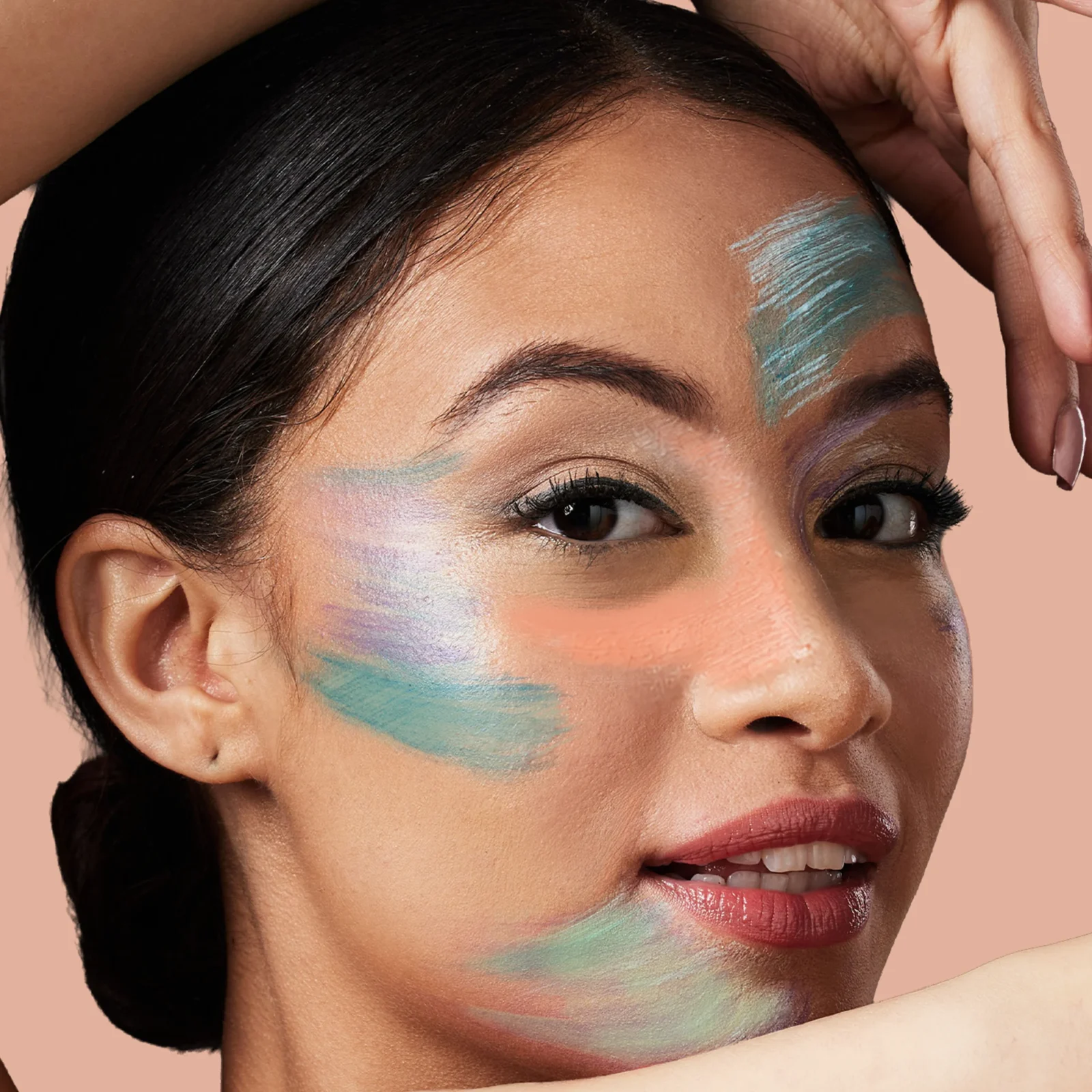



When BINI stepped onto the Coachella stage this year, the thing that hit first wasn’t the choreography or the styling, or the dance-pop beats reverberating through the desert. It was the skin. Morena, lit up under the California sun, looking like nothing else on that lineup, not because of a filter or a finish, but because nobody was trying to make it look anything other than what it already was.
That image is doing a lot of work right now in beauty, and not just in the Philippines. The “tropical glow” has become shorthand for something the global industry is paying close attention to: a warmth, a luminosity, a radiance that reads on camera. But it isn’t just a makeup look. It’s a vibe that happens to be visible.
A whole other proposition
Pexels
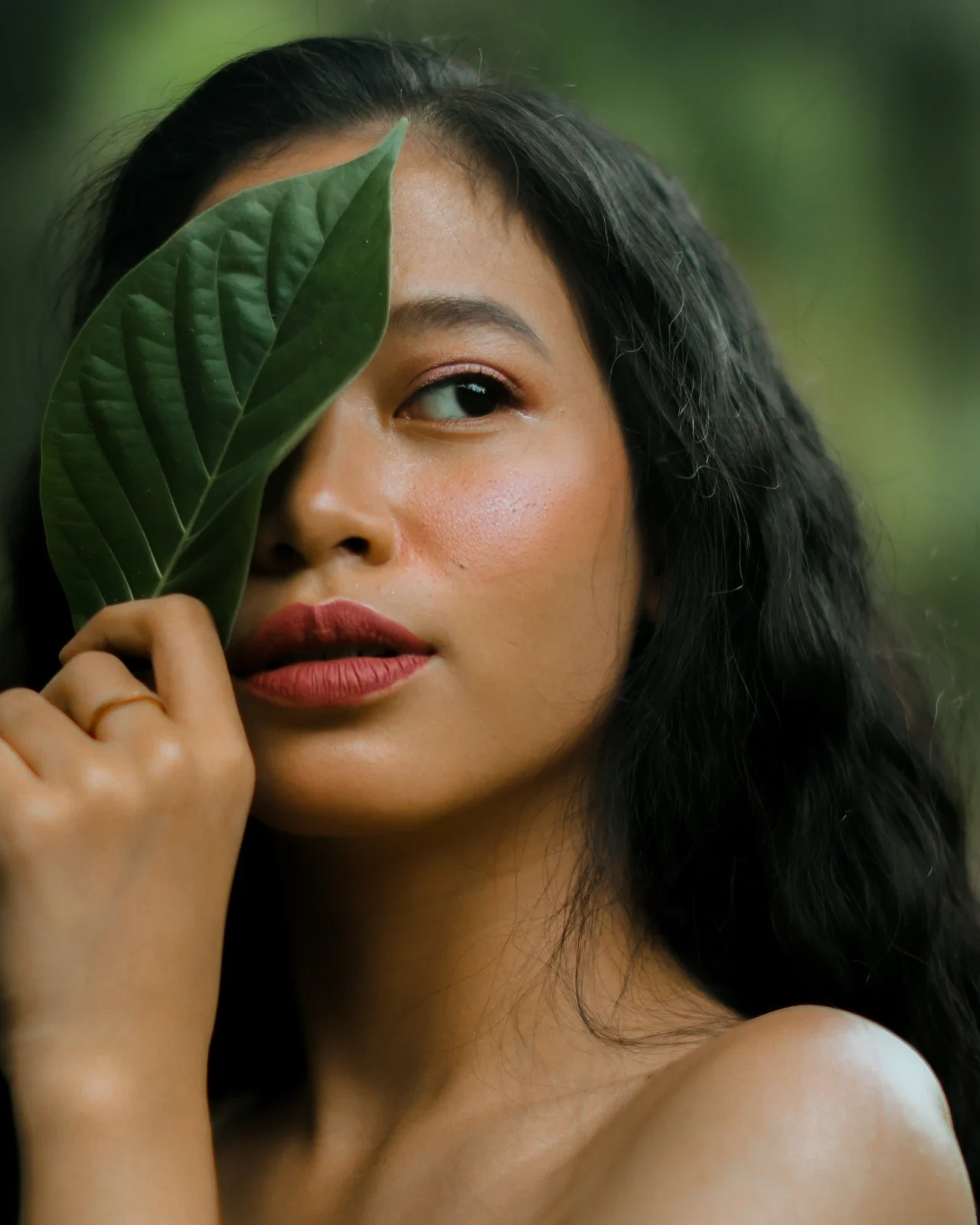
Seoul brought glass-skin precision to the world. Paris is about matte restraint. Both are fundamentally about technique; how controlled the finish, how reflective the surface, how smooth the texture. The tropical glow is the only one that tells you something about the person wearing it: self-assured, at ease, in their element, and at home in any environment.
Ria Aquino-Iribarren, a Guam-based Filipina makeup artist with 15 years behind the chair, articulates the technical difference. “Glass skinGlass SkinA K-beauty ideal of skin so smooth, even, and well hydrated that it looks translucent and reflects light like glass. It is achieved less through one product and more throughGo to Glass Skin Glossary wants luminous products all over, that constant shine,” she explains. “For Filipino skin, it’s more about moisturizing, with very fine pigments: nothing too shiny. I work in thin layers, in sections.” She thinks about undertone first, blending the face to the neck and arms so nothing reads like a mask. Where Korean glass skin wants reflectivity, the tropical glow wants something quieter: depth.
But the most telling thing Aquino-Iribarren says isn’t about technique at all. “With the tropical glow, the makeup doesn’t give it to you. The makeup only enhances it. There has to be something there already for it to really come out.” Which means the glow isn’t applied. It’s revealed.
What the glow had to survive
Pexels
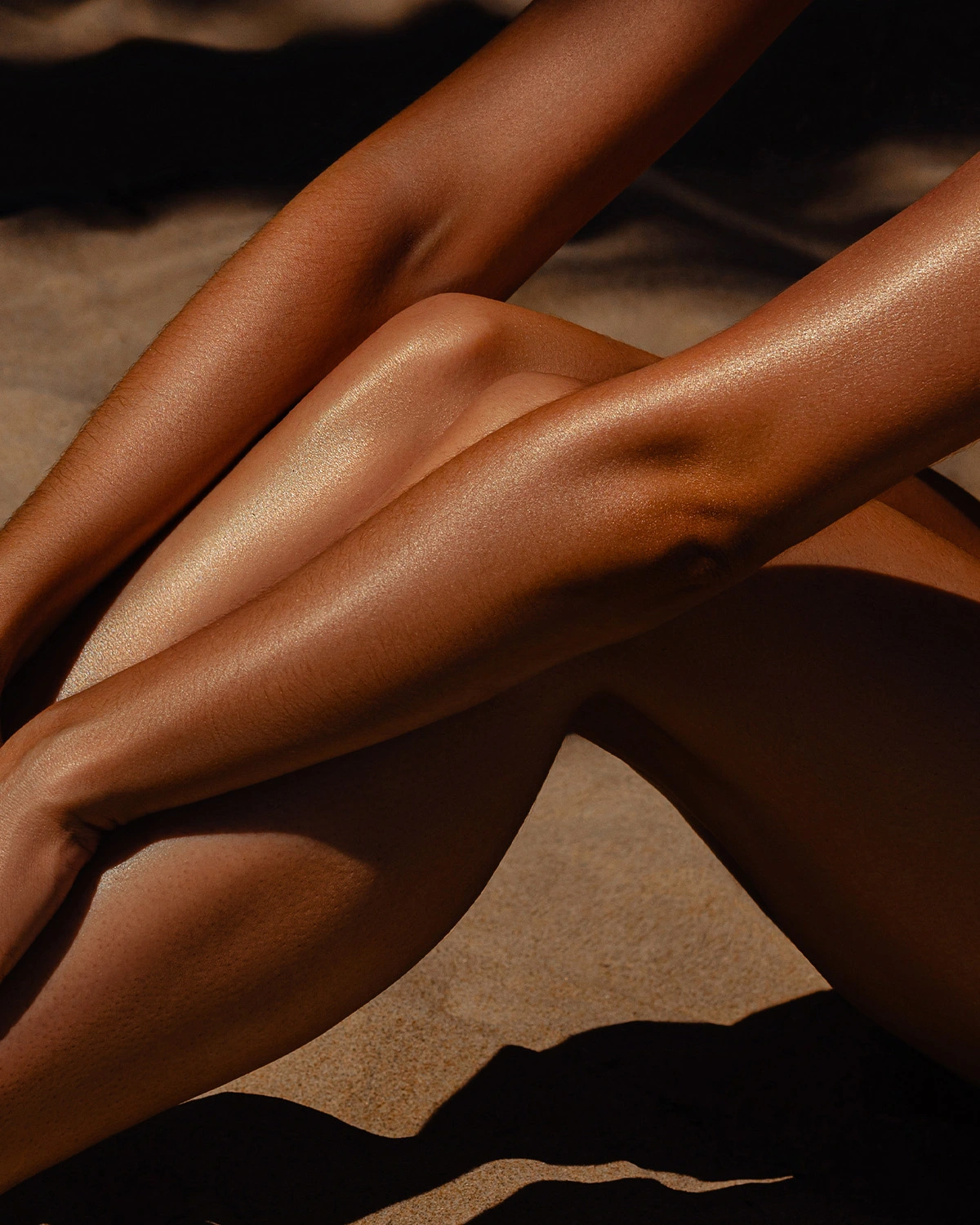
Even with a new generation’s beauty standards taking over, this conversation still finds a way to feel new. For a long time, Filipino beauty culture was essentially a campaign against itself. Whitening soaps, lotions, pills, and injectables were a massive market across Asia, occupying the most space on every drugstore shelf. The aspiration was lighter, cooler, further from the actual face most Filipinas saw in the mirror.
The tropical glow is what didn’t get bleached out. It survived years of being told it was the wrong starting point, and it’s now, finally, being treated as the destination. This is the glow up no skin care ad will sell you, the one where a whole culture stops trying to be someone else.
“The tropical glow is what didn’t get bleached out. It survived years of being told it was the wrong starting point, and it’s now, finally, being treated as the destination.”
Aquino-Iribarren has watched it shift up close, one bride and bare-faced client at a time. “When I was starting out, beauty was more singular,” she says. “Fairer skin tones, flawless, poreless. Clients wanted to look flawless, matte, heavy coverage.” Now? “Clients aren’t asking for flawlessness anymore. You want to look like you have very beautiful skin, not that you have good makeup on.” She even sometimes paints freckles onto her clients now, a tender little detail that would have been unthinkable a decade ago, when freckles were something to be erased.
F-beauty grows up
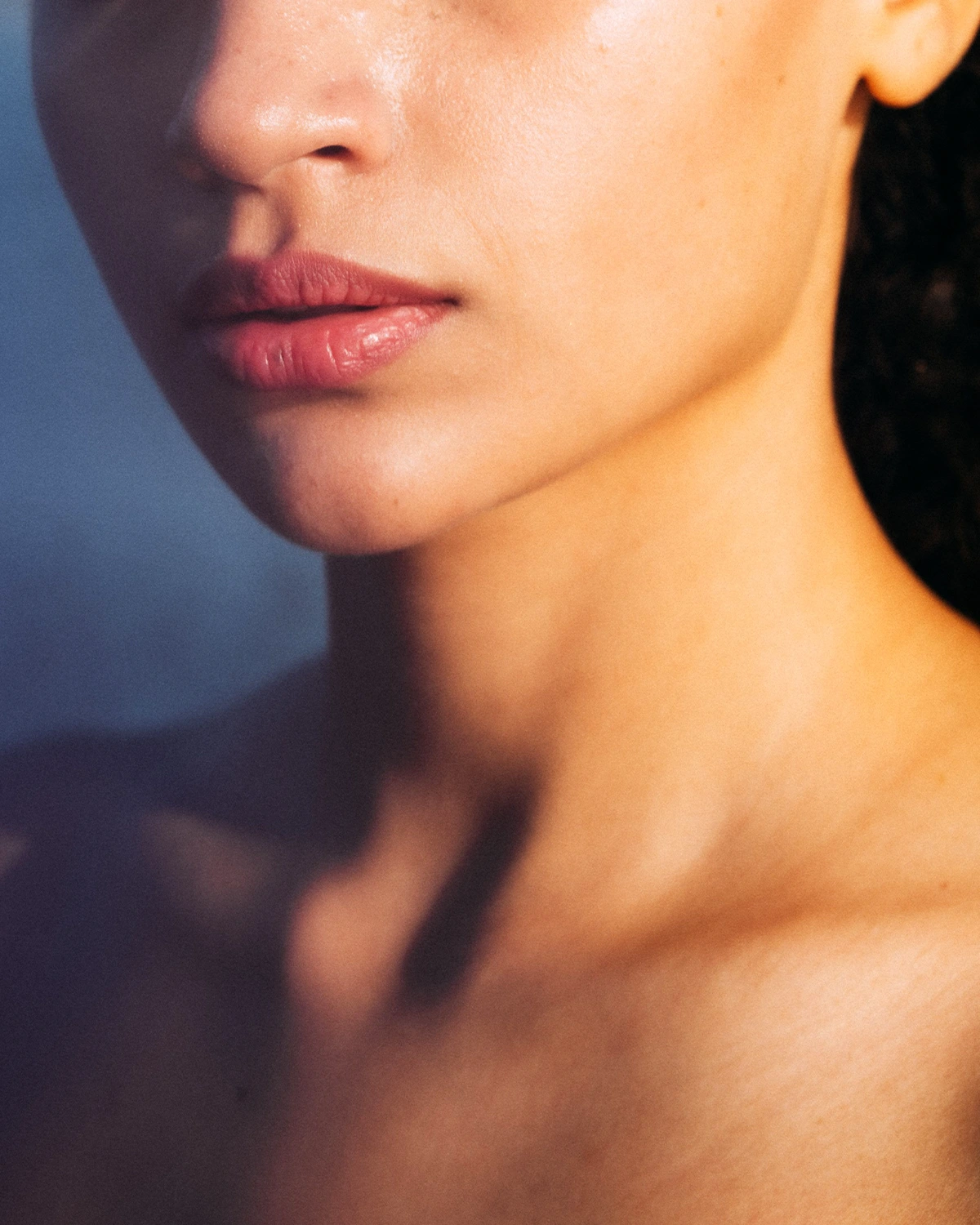
Pexels
The local beauty industry has caught up to the moment. Filipino-founded brands like Issy, GRWM Cosmetics, and Sunnies Face are formulating for morena skin rather than nervously around it, with undertones, finishes, shade ranges that aim to flatter the audience they’re built for.
Bianca Mascenon, a beauty content creator who spent years managing Korean beauty brands in the Philippine market, has had a front-row seat to the pivot. “Most local brands have been focused on making their products work for the local market: our climate, our diverse skin tones, our undertones,” she says. “The products were made to work here, with us, for us.”
Where F-beauty really has range, Mascenon argues, is color cosmetics. “Korea is skin care. Japan is hair care. The Philippines is color cosmetics.” Lipsticks and lip tints have been honed by the demands of local consumers; blush and complexion-flattering formulas are well on their way.
She’s also quick to push back on the lingering assumption that F-beauty is somehow a lesser cousin of its global counterparts. “Everything is dreamed up here in the Philippines, but a lot of F-beauty products are manufactured by the same manufacturers as the big global brands,” she points out. “We work with the best manufacturers globally. If we can just get people to swatch our products, they’d be impressed.”
The swatching, as it turns out, is already happening. In 2022, Sunnies Face became the first Filipino brand to win an Allure US Best of Beauty Award, when its hero product Fluffmatte was named Best Matte Lipstick. Fluffmatte has since become a cult favorite among Hollywood makeup artists, turning up on stars like Madonna, Christina Aguilera, Kate Bosworth, Sabrina Carpenter, and Rosie Huntington-Whiteley, who liked it enough to collaborate with the brand on limited-edition kits for her own beauty label, Rose Inc.
The glow is what you bring with you
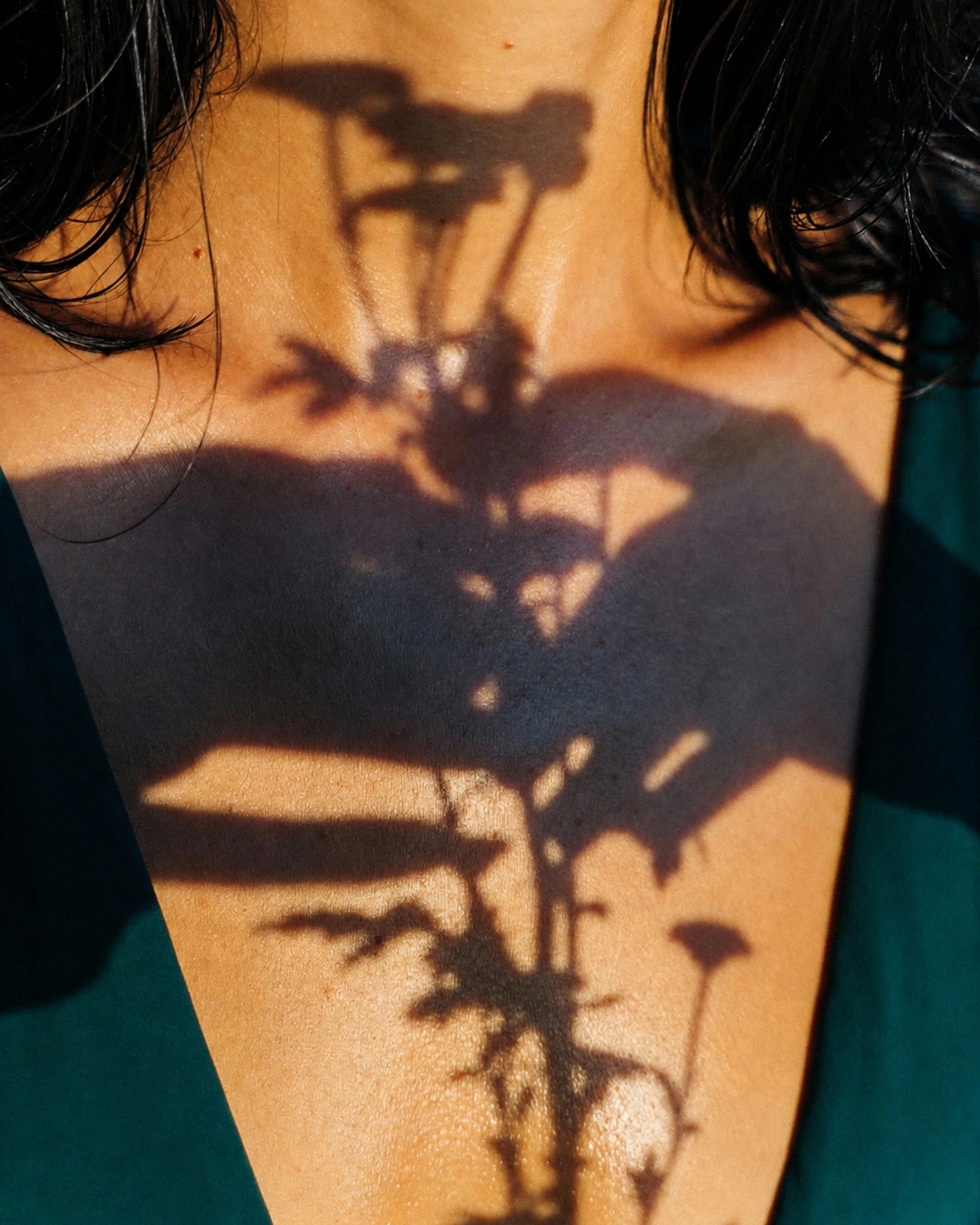
Pexels
This leads us back to BINI at the Coachella stage. But also: Alex Eala on the tennis court. Filipina surfers catching international attention from Siargao. None of these women are toning down the warmth in their skin to fit a cooler, paler global frame. They’re simply showing up as themselves, and the world is gladly adjusting around them.
“None of these women are toning down the warmth in their skin to fit a cooler, paler global frame. They’re simply showing up as themselves, and the world is gladly adjusting around them.”
Aquino-Iribarren sees it on her regular clients too, not just the celebrities. “The glow transcends from who they are and the energy they give off,” she says. “Makeup is just one aspect. You can’t fake confidence.”
Glass skin was engineered. Matte was directed. The tropical glow was uncovered. It was always sitting there, waiting for the perfect opportunity. That’s why it isn’t moving the way most trends that burn bright and fade out fast do.
Look at BINI on that Coachella stage one more time. The skin, the warmth, the ease of it—a Filipino glow up, in the truest sense of the phrase. Not a dramatic transformation, but a natural homecoming. And now that the rest of the world is starting to take notice, we’re only going to be more certain of our place in it.
Frequently Asked Questions
The Filipino tropical glow is a warm, luminous finish rooted in morena skin rather than a product or technique. Makeup artists describe it as something makeup enhances, not creates—an existing radiance revealed through undertone-matched, thin-layered application.
Korean glass skin relies on luminous products applied all over for constant shine, while the tropical glow prioritizes moisturized skin, fine pigments, and thin sectional layers. Makeup artist Ria Aquino-Iribarren matches undertone first so the finish reads as depth.
F-beauty refers to Filipino-founded brands formulating for the local market—its tropical climate, diverse skin tones, and undertones. Issy, GRWM Cosmetics, and Sunnies Face are cited examples, with color cosmetics like lipsticks and lip tints as the strongest category.
Sunnies Face became the first Filipino brand to win an Allure US Best of Beauty Award in 2022, when Fluffmatte was named Best Matte Lipstick. Hollywood makeup artists have since used it on Madonna, Sabrina Carpenter, and Rosie Huntington-Whiteley.
Filipino beauty culture long centered on whitening soaps, lotions, pills, and injectables, with fair, matte, heavy-coverage looks as the ideal. Makeup artists now report clients asking for healthy-looking skin rather than visible makeup—treating morena skin as the destination.