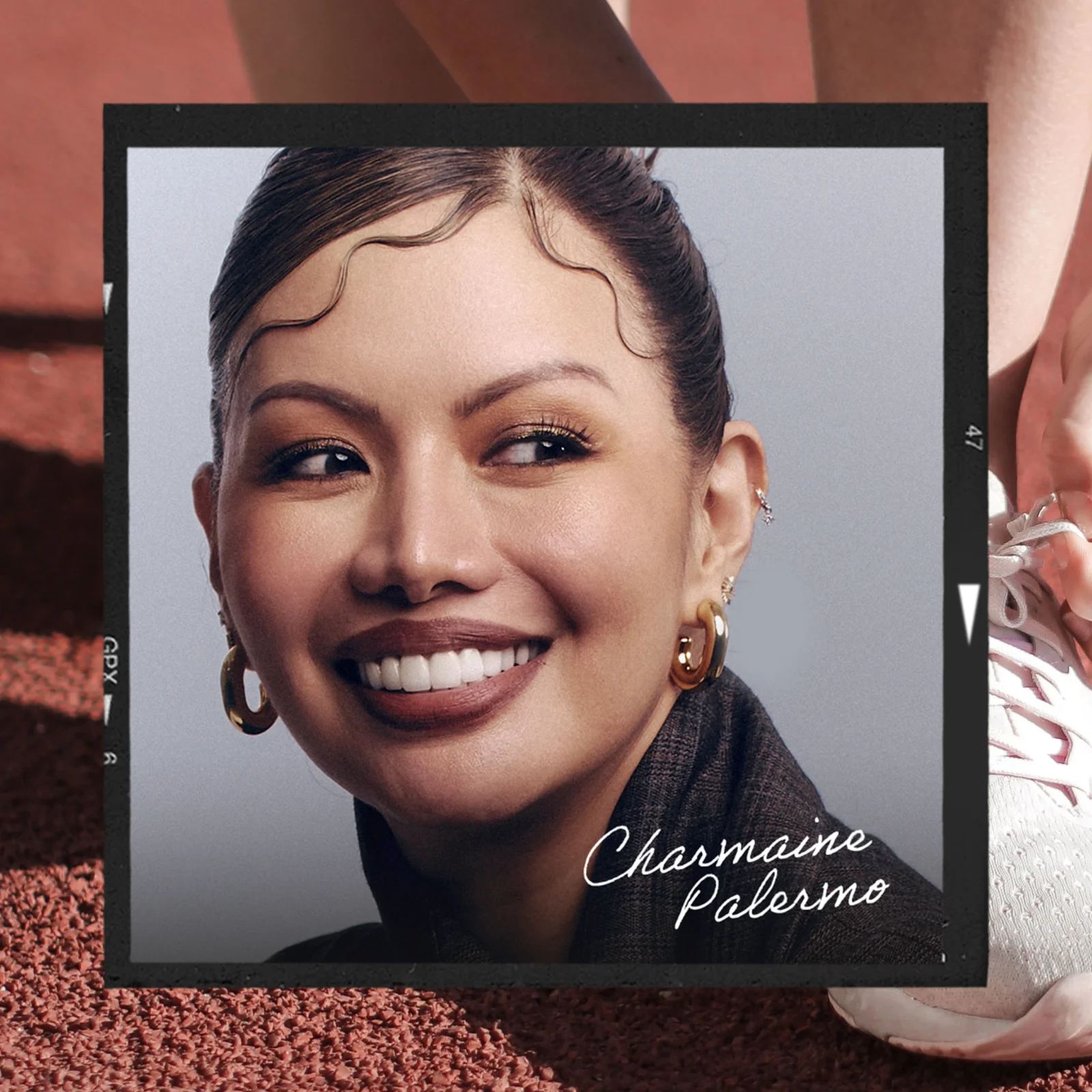


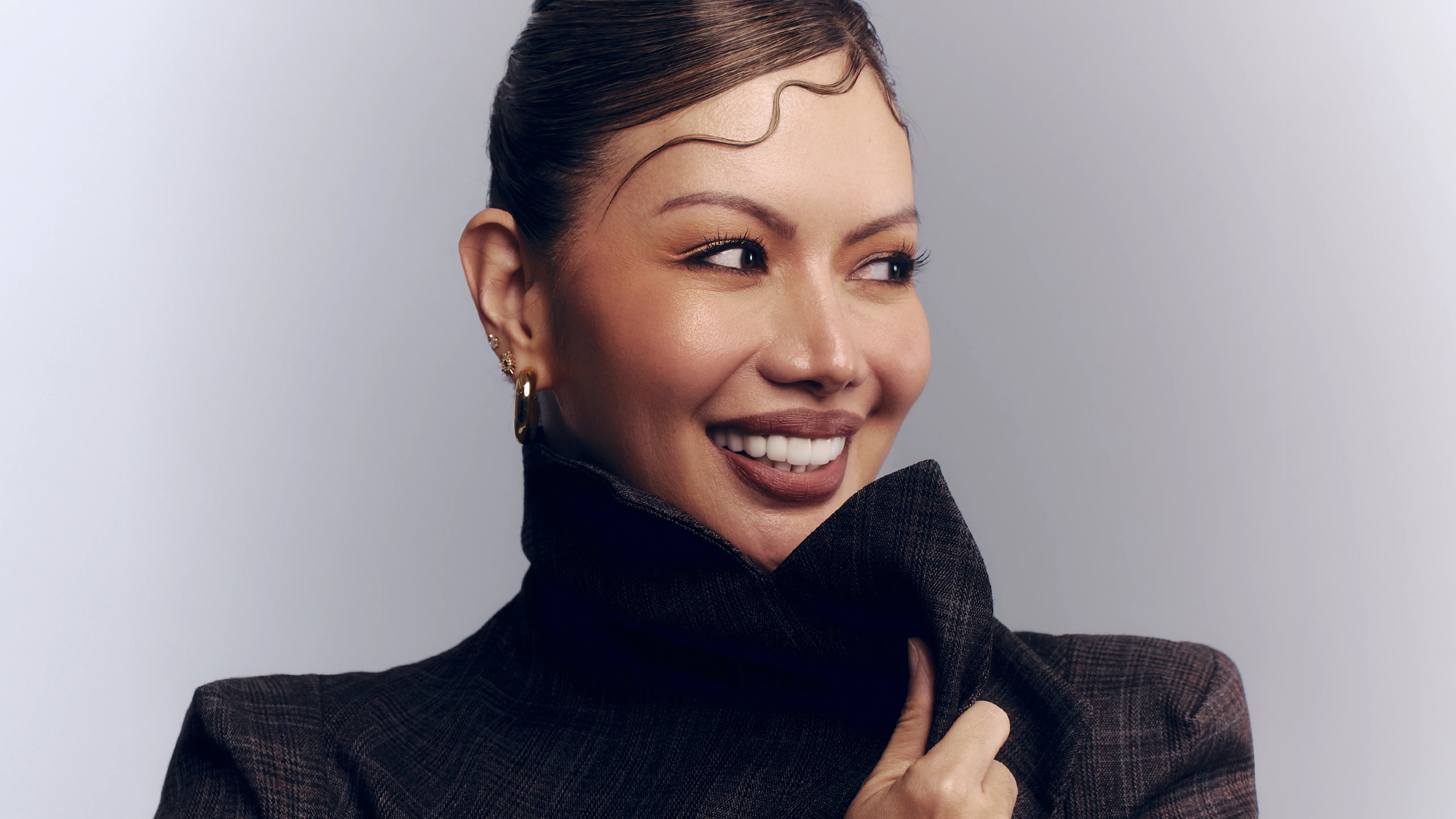
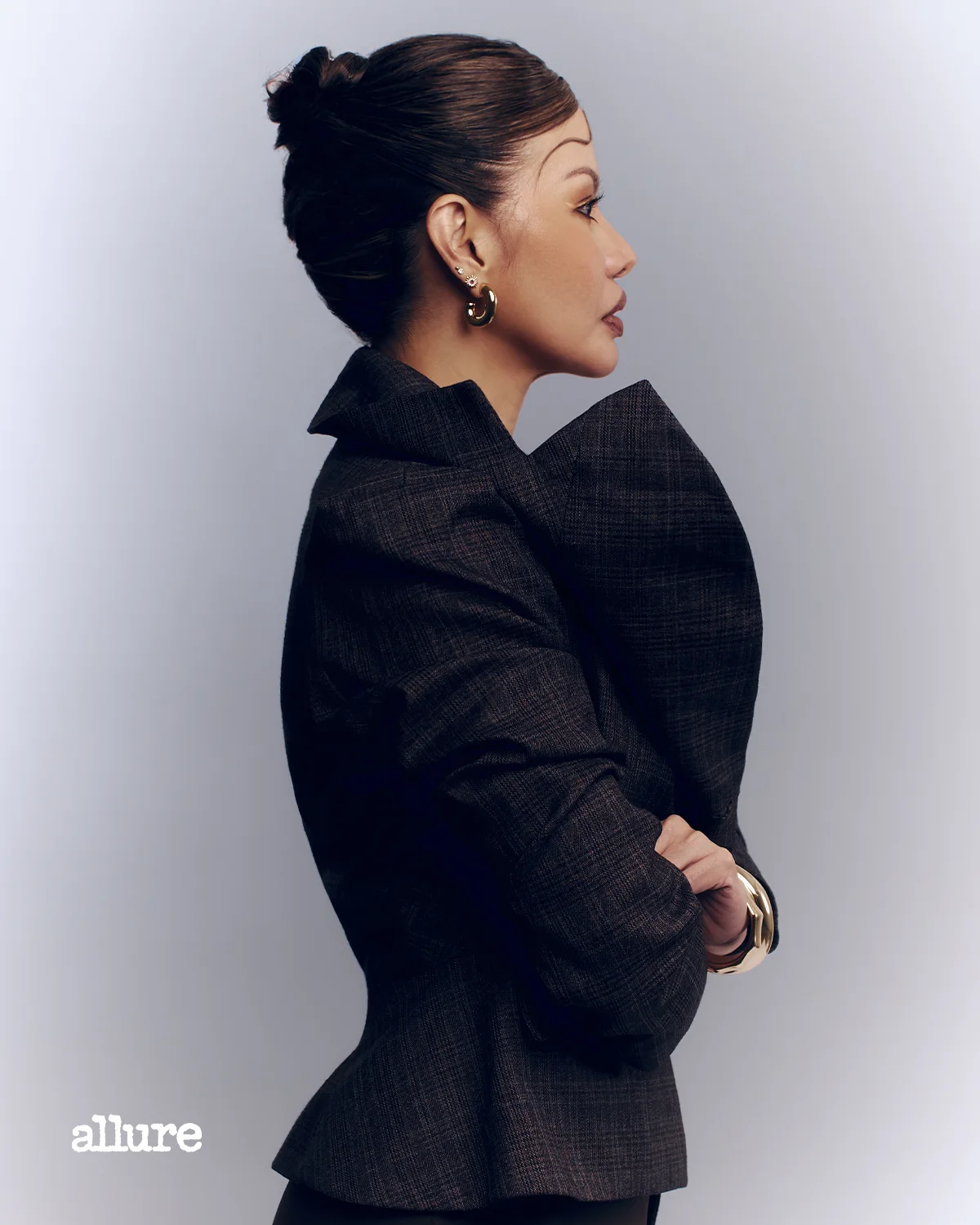
Entrepreneur Charmaine Palermo is no stranger to the camera. Take a look at her poise, and you’d think she’s someone who spent years being looked at for a living.
You wouldn’t be wrong. In her youth, Palermo was crowned first runner-up as Miss Bacolod. While walking through a mall, she was discovered by a talent scout, who invited her to model.
Fashion show director Robby Carmona, taken by the way she dressed, asked her to style a show. Though she admits she “didn’t know what a stylist was,” Palermo said yes. From there, she explored more work behind the scenes. For a while, she served as editor-at-large at Women’s Health Philippines and styled for other publications. She later opened her own PR agency and—as an avid runner in her personal time—founded an activewear brand, Chármá.
By then, Palermo had experienced both sides of the lens. She knew what it felt like to be in front of a camera. She also knew what it meant to decide how others would be seen.
In glam rooms, she watched how a blemish could shake even the most seasoned professional’s composure. “When they have pimples, they’ll be like, ‘Charms, this is so obvious. Can you tell the makeup artist to cover it more? I can still see it,’” she recalls in an exclusive interview with Allure Philippines.
Everyone treated pimples as something to hide. But with the 2024 launch of Posh Skin, the brand she co-founded, and its colorful, attention-grabbing pimple patches, Palermo did the opposite.
From hiding acne to dressing it up
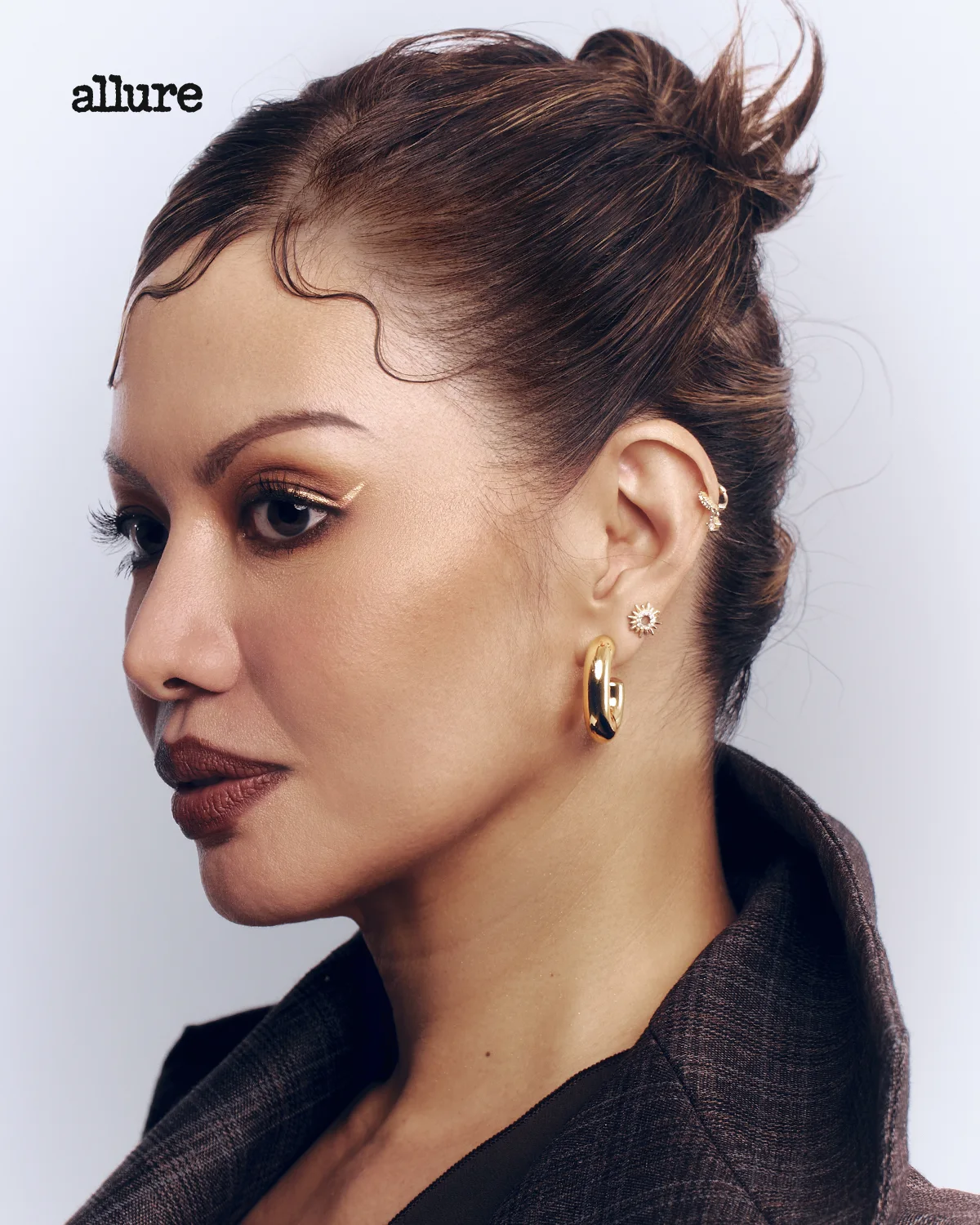
Kim Santos
The local pimple patch category was already crowded, mostly with patches designed to blend into the skin. But Posh Skin’s patches—which came in shapes such as flowers, stars, frogs, cats, and bees—were designed as tiny details worth looking at.
Drawing on her years as a stylist, Palermo wanted to make something consumers might actually want to wear. “With fashion, it was always about expressing yourself,” she explains. “We decided to do pimple patches with designs. Instead of covering up your pimple, you should just cover it with something that actually reflects your mood during that day. So that when you look at yourself in the mirror, you don’t see the pimple. You see the flower. You don’t think of it as an imperfection—you think of it as an accessory.”
Palermo says it’s the difference between feeling stuck with something and actually owning it. “We need to be confident in whatever we have right now, whatever circumstances you’re dealt with. I think it’s going back to things you can control and things you can’t control. Of course you don’t want acne. So what can you control if you have acne? You can make it fun. You can make it look prettier instead of feeling frustrated or sad or just hiding under the covers until it goes away.”
A new kind of confidence
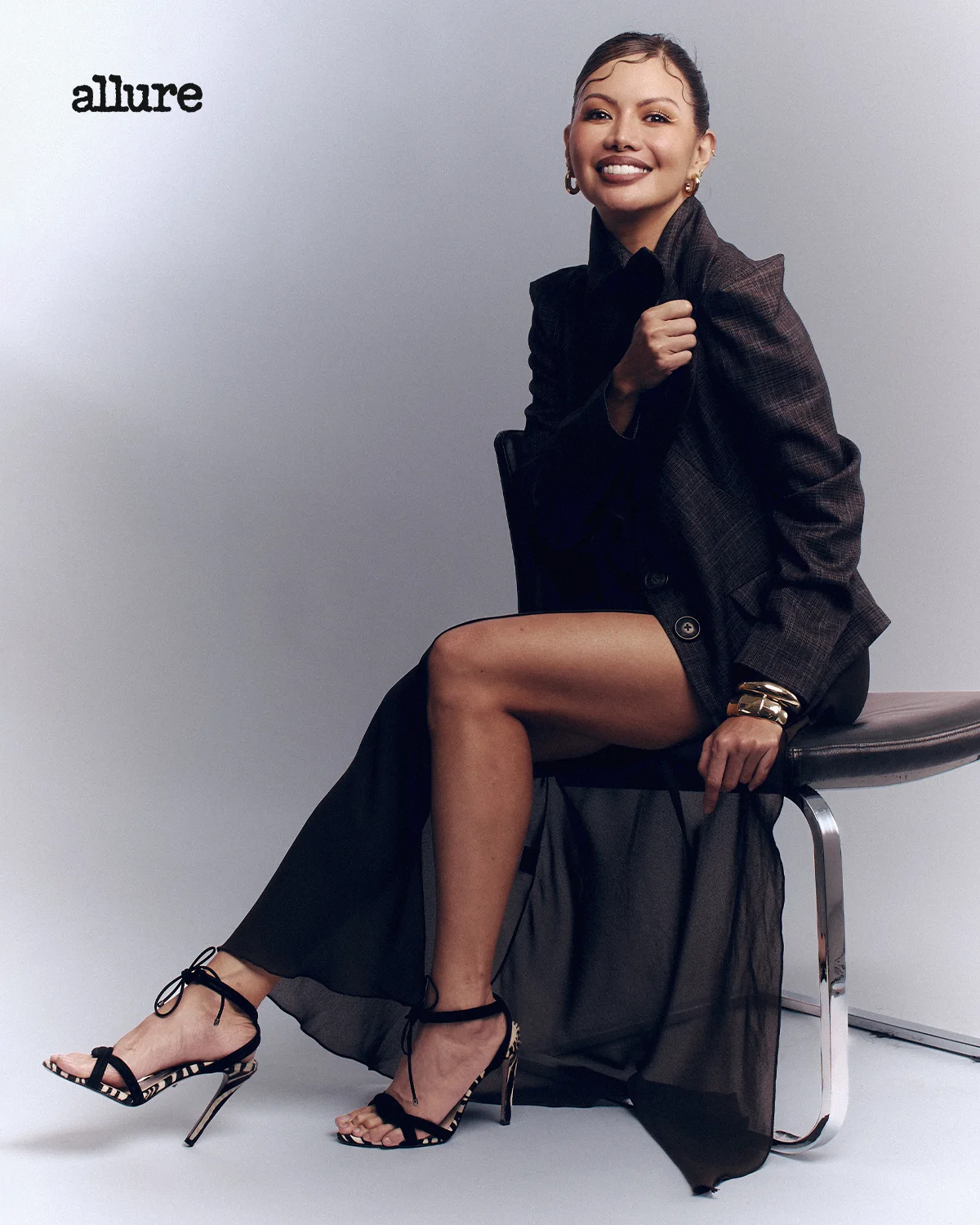
Kim Santos
Palermo knows firsthand what it’s like to fall short of certain standards. As a model, she didn’t always measure up to the strict height requirements that defined the runway when she was starting out. “I’m not, like, super tall. During my time, ramp models were 5’10”. Kate Moss changed that. She’s 5’6″. When she came out, I [was] so happy. Now, there’s a lot of representation with different looks, different body types. I think it’s good.”
In the years since, she has watched this change play out beyond the runway. She shares, “I think my generation before, it was always perfection. You have to have nice, fair skin. You have to look a certain way. But now, I think the generation now is more brave to experiment and really embrace how they look.”
It’s progress, she says, but there’s more work to do. “There [are] still some people who think beauty should be this certain kind of look. We’re working on that, but it’s still there.”
Made for Filipinos
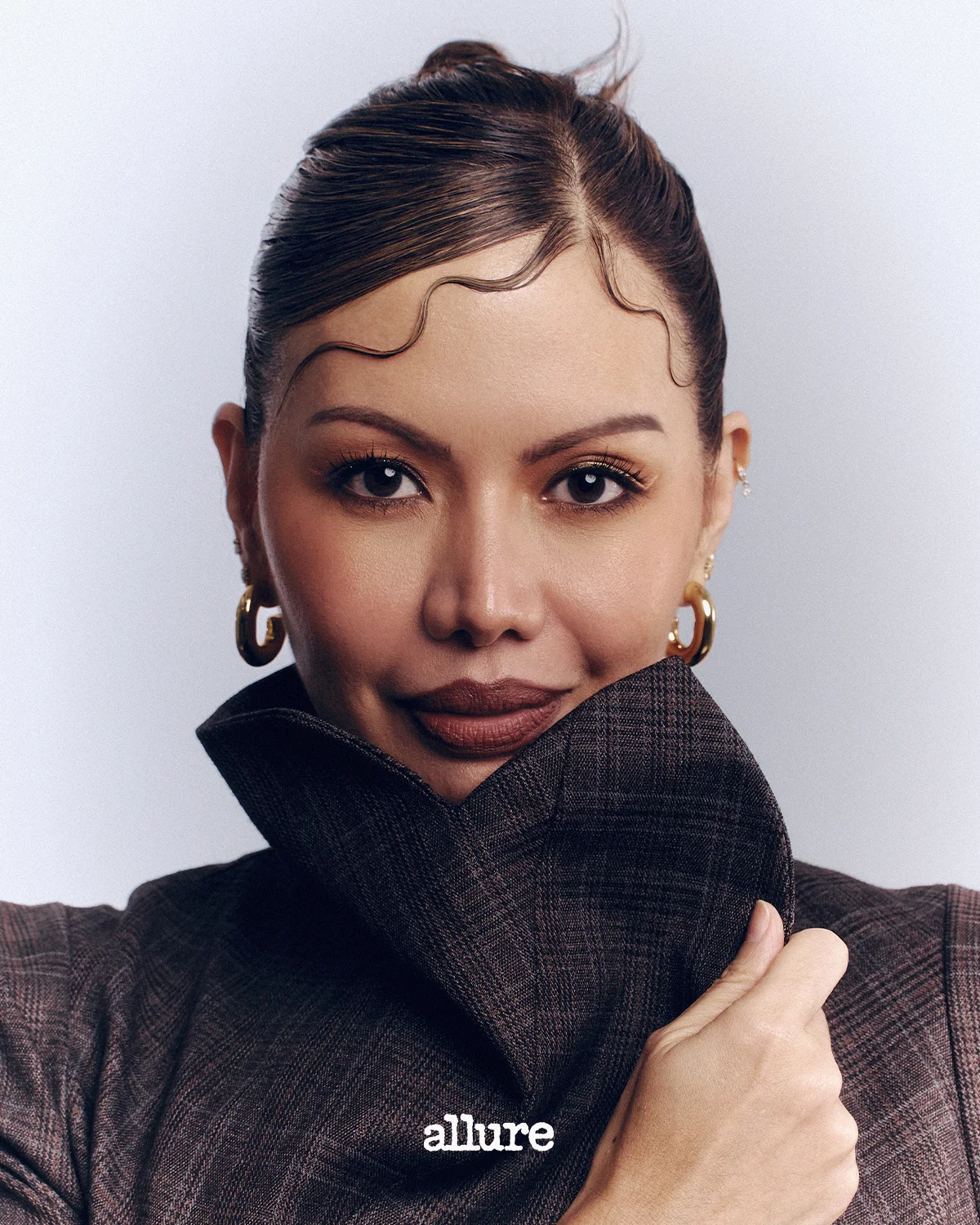
Kim Santos
This is why Palermo wants to see more products made with Filipino diversity in mind. “I think we need to create more products for different kinds of Filipino skin tones. The makeup brands are doing good, but there’s still more room for that.”
Then there are other things to consider, like the Philippine climate. Posh Skin’s products—which have since expanded beyond patches to include cleansers, serums, moisturizers, and masks—are formulated in Korea but adapted with the local climate in mind.
“K-BeautyK-BeautyKorean beauty, known for layered routines, gentle formulas, and innovative textures such as essences, sheet masks, and cushion compacts. The approach emphasizes hydration, prevention, and sun protection, and it hasGo to K-Beauty Glossary has a lot of ingredients that are really researched well and clinically tested, but not all of it is applicable in the Philippines, because the weather is totally different,” Palermo says. “But we get to use all the research and technology they have, and we ask them to make sure that it works in our weather. [Then] we do a lot of testing for all our products, from normal to oily skin, dry skin. We really look at it and see which one is the best for the Filipino weather.”
Loving your own
Kim Santos
As brands do their part to develop products that meet local needs, Palermo believes consumers have a role to play, too. For her, it’s all about taking pride in homegrown brands.
“I think consumers should be more open-minded to try Filipino local brands. Filipino beauty, for me, is loving our own. It’s a special kind of energy. Filipino people are very warm. And there’s a lot of talent, a lot of potential, really, in every single aspect—sports, technology, beauty,” she says.
This is why Palermo believes local brands have room to grow beyond the Philippines, provided they get the marketing and distribution right. Alongside local milestones, including collaborations with celebrities Niana Guerrero and Hannah Pangilinan, Posh Skin also plans to build a presence beyond the Philippines. The brand is already on shelves in 7-Eleven stores across Singapore, with plans to expand into Vietnam. “We want to reach every corner of the world and give confidence to all these young people,” Palermo says.
Global ambitions aside, what drives Palermo is a sense of community. “I’m proud of my Filipino heritage. Life in our country is not easy, especially for women. But with faith, working hard, and showing up consistently, I’m at a point now where I can help more younger people. I want to encourage the younger ones to work hard and dream big, and to be kind and generous. Helping each other can really get us far. Don’t just be on your own.”
Looking back on her journey, from the girl she once was in Bacolod to the entrepreneur she is today, Palermo says, “I’m proud of how my heart is. I’m proud that I’m living my life every day, not only for myself, but for other people.”
Frequently Asked Questions
Posh Skin pimple patches are decorative patches shaped like flowers, stars, frogs, cats, and bees. Unlike most local pimple patches, which are built to disappear, they are designed to be seen. Co-founder Charmaine Palermo describes them as a way to treat a pimple as an accessory.
Charmaine Palermo is a co-founder of Posh Skin and a former model, stylist, and editor-at-large at Women’s Health Philippines. Her years as a stylist shaped the brand’s philosophy that skin care can be self-expression, which led to patches designed to reflect a person’s mood.
Posh Skin products are formulated in Korea but adapted for Philippine weather. Palermo says the brand draws on K-beauty research and clinical testing, then asks its formulators to confirm the products work in local conditions, testing across normal, oily, and dry skin to find what suits Filipino weather best.
Posh Skin is already on shelves in 7-Eleven stores across Singapore, with plans to expand into Vietnam. According to Palermo, the brand aims to reach young people worldwide while continuing local collaborations, including with celebrities Niana Guerrero and Hannah Pangilinan.
Palermo says confidence comes from focusing on what you can control. You cannot control whether you get acne, but you can make it fun or prettier instead of hiding. In her view, a patch that reflects your mood helps you see the design rather than the pimple.