
Can Morena Skin Bounce Back After Whitening? A Dermatologist Explains
Dr. Gaile Robredo-Vitas breaks down the science—and hope—behind skin recovery.
By Lia Cruz and Leira Aquino



In a country where whitening products still dominate beauty shelves, many morenas are now choosing to embrace their natural skin tone. But what happens if you’ve already undergone whitening treatments? Is it too late to go back? We sat down with board-certified dermatologist Dr. Gaile Robredo-Vitas to find out if your skin can recover—and how to treat it with care in the process.
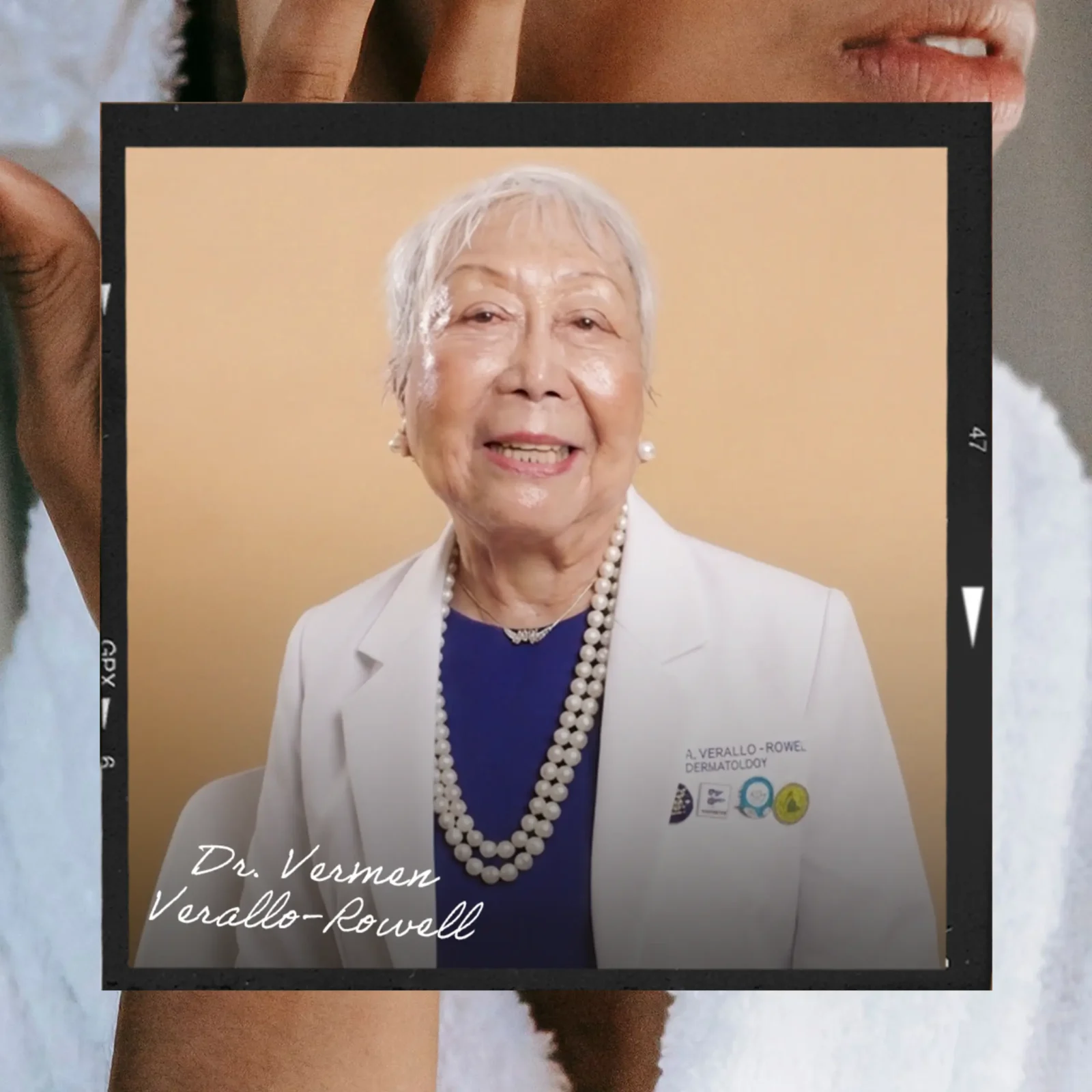
Meet the expert: Dr. Gaile Robredo-Vitas
Dr. Robredo-Vitas, MD, a fellow of the Philippine Dermatological Society (PDS), runs dermHQ in Makati and BeautiqueMD in Taguig. With years of experience and active membership in local and international dermatological societies, Dr. Vitas stays on top of the latest dermatology and aesthetic medicine trends. She shares, “These connections keep me up-to-date with the latest developments in dermatology and aesthetic medicine, allowing me to introduce new treatments and techniques here in the Philippines.”
Dr. Robredo-Vitas’ journey into dermatology began unexpectedly after a desire to pursue ophthalmology. However, her exposure to various skin conditions through medical missions steered her toward dermatology. “I realized the profound impact skin issues had on their lives,” she says. She answers Allure Philippines’ questions in her own words.
Can morena skin really return to its natural color?
It largely depends on what products were used and how much your skin lightened.
Whether a morena can regain her natural skin color after using harsh whitening products depends on several factors. First is the extent of damage. In some cases where the damage is severe, full restoration may not be possible—but with care and the right guidance, improvement is still achievable.
Another factor is care and treatment, which includes a skin care routine for healthy skin, using products that nourish and protect the skin barrier and the melanocytes. Treatments that stimulate melanin production, like certain forms of light therapy, might also be beneficial.
Time also plays a part. Our skin has a natural renewal cycle, and it may take several cycles for changes to become apparent.
What damages the skin’s natural pigment?
Long-term use of some skin lightening agents, especially those containing high concentrations or unsafe formulations, can lead to significant pigmentation. Over time, these can cause reduced melanin production.
Moreover, ingredients like monobenzyl ether of hydroquinone (MBEH) or monobenzone permanently destroy melanocytes and reduce the melanin production in the treated areas, leading to lighter or completely depigmented skin.
Highly aggressive treatments that are not monitored properly or that use ingredients at unsafe levels can be toxic to melanocytes, and can sometimes lead to a permanent decrease in melanin production, similar in effect to what occurs in lighter patches of skin in vitiligo patients.
Misuse and overuse of generally safe and effective lightening ingredients like hydroquinone can cause ochronosis—a bluish-black discoloration of the skin—when hydroquinone is used excessively, especially in higher concentrations without proper supervision.
How can morenas care for healing skin?
To safely address uneven skin tone and post-inflammatory hyperpigmentation in morena skin, avoid prolonged and excessive sun exposure and use sun protection daily to prevent hyperpigmentation, photoaging, and worsening of existing skin issues.
You should also have a skin care routine for your skin issues and needs, using products that are gentle but effective in targeting skin issues, such as soap-free cleansers that preserve the skin barrier, exfoliants, antioxidants, moisturizers, tyrosinase-inhibitors, retinoids and moisturizers.
It’s important to consult your dermatologist to have a proper assessment and tailored recommendations. You can also opt for in-clinic procedures such as chemical peels or laser and energy-based device treatments that are safe and effective to use on darker skin tones, as long as they are done by a practitioner with experience in treating morena skin to minimize the risk of negative effects.
A final word from Allure Philippines on reclaiming your glow
There’s no shame in having tried to lighten your skin—what matters is how you care for it moving forward. And remember, the entire healing process will take time.
“The process can be slow, and requires patience,” says Dr. Robredo-Vitas. “I would also recommend consulting with a dermatologist who can assess the extent of damage, and recommend appropriate treatments or a skin care regimen.”
The truth? Your natural morena skin—whether golden tan, deep bronze, or rich espresso—is not something to erase. It’s something to protect, nourish, and celebrate.
Frequently Asked Questions
It depends on the extent of damage, the products used, and how skin is cared for afterward. Dr. Gaile Robredo-Vitas notes that in cases of severe damage, full restoration may not be possible, but improvement is still achievable with proper care and time.
Ingredients like monobenzyl ether of hydroquinone (MBEH) and monobenzone can permanently destroy melanocytes, reducing melanin production similarly to vitiligo. Misuse of hydroquinone can also cause ochronosis, a bluish-black discoloration of the skin.
Healing takes time due to the skin’s natural renewal cycle, and it may take several cycles for visible changes to appear. Dr. Robredo-Vitas emphasizes that the process can be slow and requires patience alongside proper dermatologist guidance.
A recommended routine includes soap-free cleansers, exfoliants, antioxidants, moisturizers, tyrosinase-inhibitors, and retinoids, along with daily sun protection to prevent further hyperpigmentation and photoaging during the healing process.
Yes, but only when performed by a practitioner experienced with darker skin tones. Chemical peels and laser or energy-based device treatments can be safe and effective for morena skin when properly administered to minimize the risk of adverse effects.
- KEYWORDS
- ask the expert
- morena
- skin


You might also like


To provide a customized ad experience, we need to know if you are of legal age in your region.
By making a selection, you agree to our Terms & Conditions.