
Ask Allure: What to Do When You’re Allergic to Sunscreen
Sunscreen is a non-negotiable in the Philippines—but what if your skin reacts to it? A Filipino dermatologist explains what may be causing the reaction, how to tell allergy from irritation, and how to stay protected.


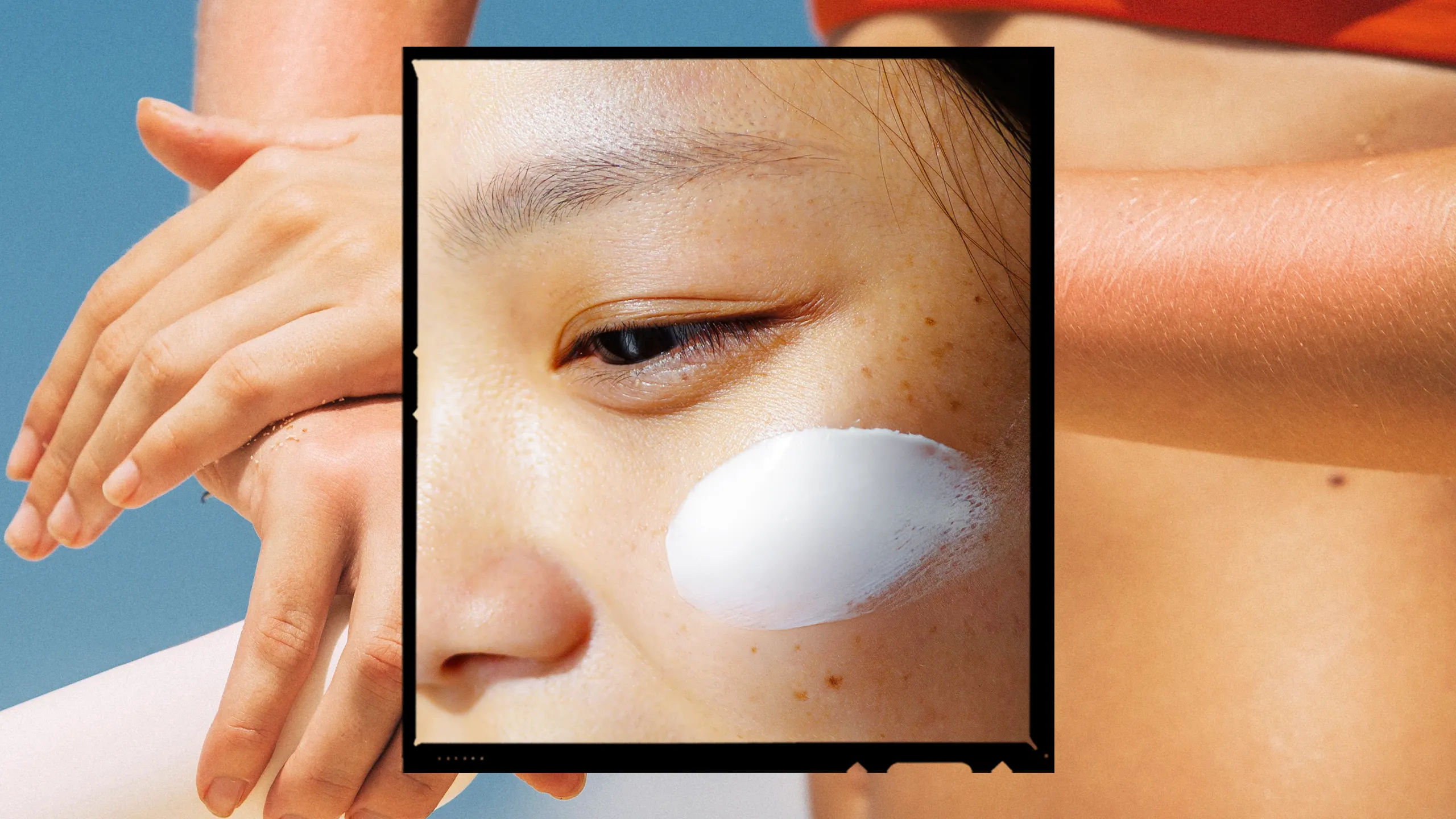
“Here’s a fun fact: I’m allergic to sunscreen.”
Cymone Arceo was 5 years old when a beginner swim class revealed it through rashes, redness, and heat flashes at night. A dermatologist later confirmed the allergy and advised Arceo to avoid sunscreen. She has lived without topical sunscreen ever since. Her skin care routine now has just three products: cleanser, serum, and moisturizer—no SPF. In a country where the sun is constantly shining, that leaves her with the task of finding other ways to address her skin concerns.
“It’s a trial-and-error process every day,” says Arceo, who tests new products one at a time. “I just accept living with allergies and address skin concerns through other products.”
The allergic reaction hasn’t kept her indoors, though. She plays multiple sports and stays active, focusing on keeping her skin comfortable and supporting her skin barrier. After a long day out, she reaches for a hydrating and soothing cream that, she says, helps her skin barrier bounce back.
Arceo’s experience isn’t one that board-certified dermatologist and fellow of the Philippine Dermatological Society, Gaile Robredo-Vitas, MD, encounters often. What she sees is irritation, usually from skin care actives like exfoliants and retinoids, and the two can look identical.
In this edition of Ask Allure, Dr. Robredo-Vitas helps us understand how a sunscreen allergy works, how to tell the difference between irritation and allergy, and what to do.
Is it really an allergy?
The difference comes down to timing and cause. Irritant contact dermatitis is direct damage to the skin, and it can affect anyone with enough exposure. It also tends to show up within minutes to a few hours through symptoms like burning, stinging, or soreness, and stays in the same area where the product touched.
Allergic contact dermatitis, on the other hand, is an immune response to a specific ingredient to which the skin has become sensitized. Symptoms are typically delayed, appearing 24 to 72 hours later with intense itching and blistering, and they can spread beyond the area of exposure.
Because these two sometimes overlap, Dr. Robredo-Vitas usually starts by taking in her patients’ history: what they used, when the adverse reactions started, and where the rash appeared.
“These give us clues. But because irritation and allergy can sometimes look similar, in cases where both are possible, patch testing may be needed to correctly identify the trigger,” shares Dr. Robredo-Vitas. “Burning, stinging, or redness alone doesn’t establish an allergy.”
It may not be the filter after all
Envato Images
Published studies have flagged certain chemical UV filters, including oxybenzone, octocrylene, and avobenzone, as potential allergens. Meanwhile, mineral filters like zinc oxide and titanium dioxide are more generally tolerated. But Dr. Robredo-Vitas says that fragrance, preservatives, and other ingredients in either SPF formula can still cause a reaction.
“We cannot really identify the culprit from the brand name, SPF number, or ‘chemical versus mineral’ label alone,” she explains. “This is why reviewing the entire skincare routine matters, rather than immediately blaming one product or ingredient.”
What to do first
If a product burns, itches, or stings, Dr. Robredo-Vitas says to stop using it immediately. Next, wash off the product with a mild and gentle cleanser without scrubbing. Then, finish it off with a basic moisturizer or barrier cream that your skin tolerates to soothe the area.
She also recommends taking note of the product your skin reacted to and its ingredient list. “Take photos of the rash while it’s visible,” she says. “It also helps to remember whether you’ve had similar reactions to other products, because there may be an ingredient they have in common.”
If it persists, worsens, or keeps coming back, see a board-certified dermatologist—most especially if the reaction is on the face.
Sun protection without the SPF

Pexels
For anyone who can’t tolerate topical sunscreen like Arceo, Dr. Robredo-Vitas recommends finding alternatives. “You can protect your skin with UPF clothing, a wide-brimmed hat, UV-protective sunglasses, and an umbrella,” she says. Seeking shade and getting less direct sun exposure around midday also helps, she adds.
Once the skin settles, she also recommends consulting a dermatologist to help you find other sunscreens that avoid your identified triggers, like a basic mineral sunscreen with a broad-spectrum protection of SPF 30 or higher. “Keep in mind that having fewer ingredients doesn’t automatically guarantee that a product will be suitable for you,” she nevertheless cautions.
Dermatologists like Dr. Robredo-Vitas may also recommend patch-testing any product on a small area before applying it to the face or neck. “This helps assess tolerance, but it doesn’t rule out allergy,” she says. “For recurring reactions where allergy is suspected, formal patch testing can help identify the trigger. If sunlight appears to play a role, photopatch testing may be needed.”
It’s important to note that your dermatologist’s advice may differ depending on your skin’s reaction. Arceo’s case is one of these instances where using mineral sunscreen isn’t advisable. Her dermatologist cautioned her against using it since she was young. “It was advised not to try too many different brands at my age at the time,” she shares. “Mineral sunscreens immediately gave me rashes.”
Heat, sweat, and SPF reapplication
Philippine heat and humidity can make irritated skin feel worse, and so can the friction of rubbing a product in. “That doesn’t mean you’ve developed an allergy,” says Dr. Robredo-Vitas.
“My practical advice would be to gently blot sweat, let the skin dry, and apply a tolerated sunscreen without vigorous rubbing.”
Reapplication still matters. The general rule, according to Jasmin Jamora, MD, FPDS, President of the Philippine Dermatological Society, in a previous article, is this: 30 minutes before you go out, reapply every two hours, and if you swim, once every hour. But if a particular product is causing irritation and rashes, stop using it immediately and rely on protective clothing and shade instead.
For people like Arceo, this routine keeps things simple. So does this rule: one new product at a time, and no pressure to fix everything at once.
Dr. Robredo-Vitas’s advice for the rest of us isn’t too far off, either. Stop using the product, calm the skin, and don’t let one bad reaction immediately tell you that you’re allergic to everything.
“Skin care is a lifelong journey, and having an allergy doesn’t discourage me from trying,” says Arceo. “If anything, I’m looking forward to finding a solution.”
Frequently Asked Questions
Allergic reactions typically appear 24 to 72 hours after use with itching and blistering that can spread beyond the contact area, while irritation shows up within hours as burning or stinging confined to where the product touched. Dermatologists often confirm true allergy through patch testing.
Chemical UV filters like oxybenzone, octocrylene, and avobenzone have been flagged as potential allergens, though mineral filters such as zinc oxide and titanium dioxide are generally better tolerated. Fragrance and preservatives in any formula can also trigger a reaction, so the full ingredient list matters.
Dermatologists advise stopping the product immediately, washing it off with a mild cleanser without scrubbing, then applying a basic moisturizer or barrier cream. Photograph the rash and note the product’s ingredients, and see a dermatologist if the reaction persists or worsens, especially on the face.
Dermatologists recommend UPF clothing, a wide-brimmed hat, UV-protective sunglasses, and an umbrella, along with seeking shade and avoiding direct sun exposure around midday. Once skin settles, a dermatologist can help identify tolerable mineral sunscreen options as a next step. It’s important to note that your dermatologist’s advice may still differ depending on your skin’s reaction.
The general rule is to apply sunscreen 30 minutes before going outside, then reapply every two hours, or every hour if swimming or sweating heavily. Philippine heat and humidity can worsen irritation from friction, so dermatologists recommend blotting sweat gently rather than rubbing skin.