
How The Sun People Is Changing How We Think About Sunscreen
The Sun People co-founder Rachel Ang wants to change the conversation around what sun care should look like in a tropical country like the Philippines.
By Nina Cortez


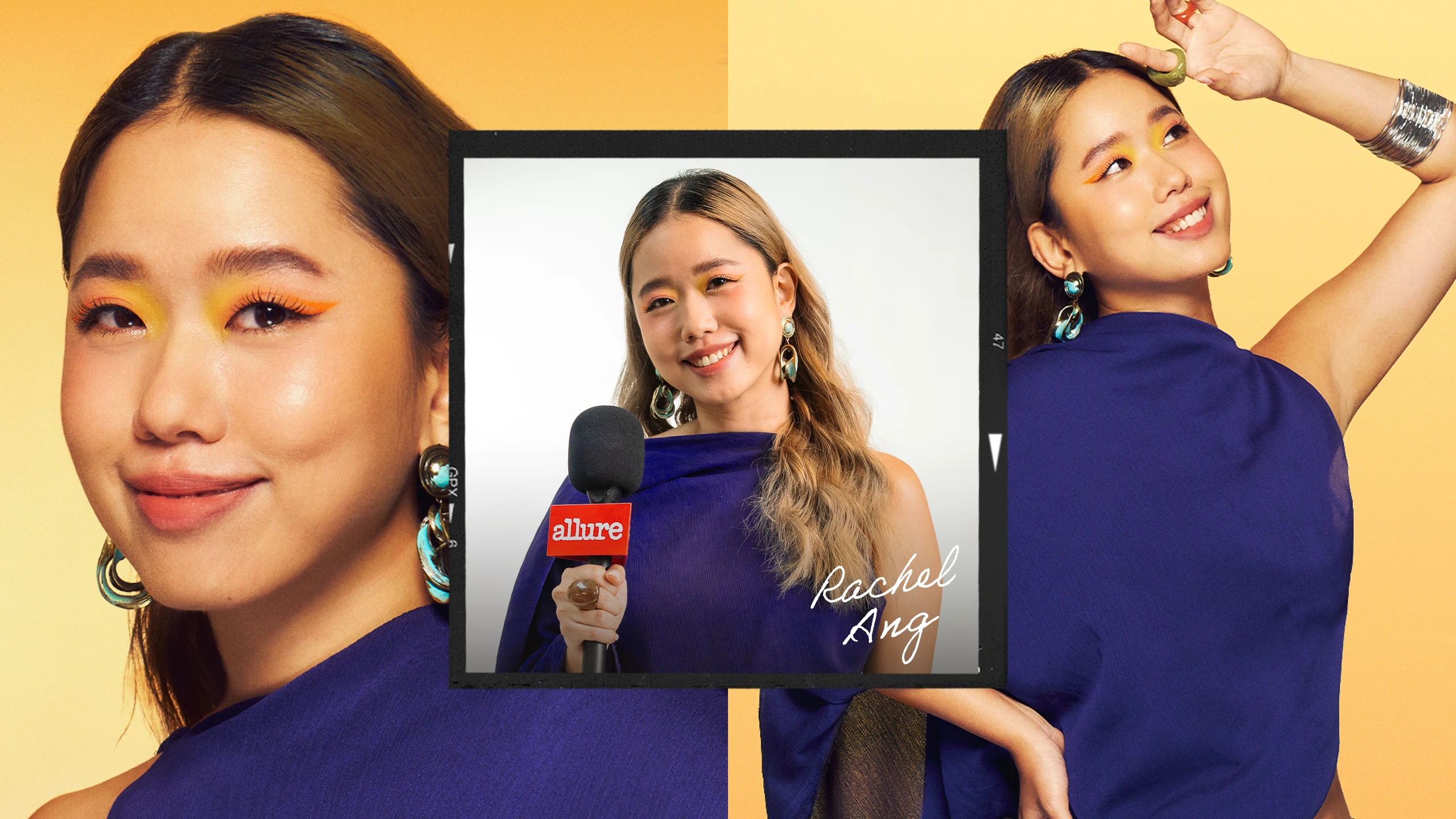
Sunscreen was never always considered essential to the Filipino skin care routine, which, in hindsight, is a little ironic for a country that gets plenty of sun year-round. Ask people who grew up before today’s beauty boom, and you’ll often hear the quintessential justifications along the lines of “Hindi pa kasi uso [ang sunscreen] noon,” or “Mabigat kasi sa mukha.”
For those who did use sunscreen, the experience was still a compromise: formulas could feel sticky or tacky, with chalky textures and a stubborn white cast that often left morena skin swearing off SPFSPFSun Protection Factor, a measure of how well a sunscreen protects against UVB rays that cause sunburn. Dermatologists recommend a broad-spectrum SPF 30 or higher, applied generously every morning andGo to SPF Glossary altogether.
The Sun People co-founder Rachel Ang knows these frustrations well. A frequent traveler, she had tried sunscreen formulas from East to West but struggled to find one that worked for her skin in the Philippine heat and humidity.
She asked herself, “Why don’t we have good local sunscreen brands in the Philippines?” We [live in] a tropical country and we need [sun care] the most, but we don’t have it.”
Today, that question has become The Sun People, the brand Ang co-founded with the Filipino climate in mind. It stems from a simple belief for a life lived under the sun, sun care should be an effortless, second-nature ritual.
Ang acknowledges, though, that finding the right formula is only half the battle. In this Allure Philippines exclusive, Ang breaks down persistent sunscreen myths, what she believes modern sun care should look like, and why daily SPF goes beyond simply applying it in the morning.
How much of what we believe about sun protection is actually true—and what are we still getting wrong?
The first misconception is that wearing sunscreen means that you won’t tan. We get this a lot during pop-ups—and it’s not necessarily true because sunscreen does not protect you 100% from UV damage. What it does, instead, is help protect your skin from the effects of UV rays: sunburn, premature skin aging, and skin damage.
The second misconception is that you only need sunscreen when it’s summer or when it’s sunny outside. This is not true—UV rays can still penetrate clouds or windows, so even if you’re driving, or if you’re in an office with big windows beside you, you can still be exposed to UV rays.
The third misconception is that having higher SPFSPFSun Protection Factor, a measure of how well a sunscreen protects against UVB rays that cause sunburn. Dermatologists recommend a broad-spectrum SPF 30 or higher, applied generously every morning andGo to SPF Glossary sunscreen or a water-resistant sunscreen means you can stay out all day without reapplying. This was something that I was also guilty of when I was younger, but it’s not necessarily true. One thing that I’ve learned throughout the journey is the importance of reapplication of sunscreens, especially when you’re sweating or doing outdoor activities. Dermatologists usually recommend reapplying every two hours or so depending on your activity level.
The fourth misconception is that people with darker skin tones don’t need to wear sunscreen. People with darker skin tones have more melanin in their skin—which can offer some natural protection against UV radiation but it does not necessarily mean that they’re fully protected from UV damage, sunburn, hyperpigmentationHyperpigmentationDark spots or uneven patches that appear when skin produces excess melanin, often after sun exposure, acne, or irritation. It is especially common in morena skin, and treatment relies onGo to Hyperpigmentation Glossary, premature skin aging.
The last misconception is that people don’t need to wear sunscreen because their makeup products already have SPFSPFSun Protection Factor, a measure of how well a sunscreen protects against UVB rays that cause sunburn. Dermatologists recommend a broad-spectrum SPF 30 or higher, applied generously every morning andGo to SPF Glossary. The SPF in makeup can help, but most people don’t apply enough makeup to get the full SPF protection listed on he label. That’s why it would still be best to use a dedicated sunscreen underneath.
What gap did you notice in the sunscreen market before starting the sun people?
What we noticed is that [the local market] didn’t really have sunscreens that were focused on tropical climates, or for tropical skin types and skin tones—and that’s why we created the brand.
A lot of beauty brands or local sunscreens focus on skin care benefits or makeup, but not necessarily the basics. So, what we wanted to do with The Sun People is really go back to the basics and solve real-world problems.
What does modern sun care mean to you?
Modern sun care to me means that it can adapt to any lifestyle and any situation.
A lot of people don’t have good experiences with sun care in the past, and that’s why a lot of people are resistant to wearing SPF on a daily basis. But what modern sun care can do is change that narrative and reframe it, so people actually enjoy using sunscreen on a daily basis. Because we need it.
You said earlier that some people are averse to sunscreen. What do you hear from customers before buying from your brand?
People usually have three different problems when it comes to sun care. First, that it’s very tacky or sticky on the skin—as we’re already in a humid climate, that doesn’t really help.
Second, it leaves a white cast. A lot of Filipinos actually have moreno or morena skin tones, and the white cast does not really look good on darker skin tones. I think the main priority for us was to create sunscreens that feel good.
Coming from someone who has very sensitive, acne-prone skinAcne-Prone SkinSkin that tends to develop clogged pores, whiteheads, and inflamed breakouts, often linked to excess oil, hormones, and humidity. In the Philippines, a gentle cleanser, non-comedogenic moisturizer, and daily sunscreenGo to Acne-Prone Skin Glossary, we really wanted to have ingredients that are generally gentle for people with sensitive skin.
And lastly, because we live in a tropical country, and we have a very diverse marine life, we wanted to maintain that. We wanted to make sure that our products are safe. We follow the Hawaii Reef Safe Bill to ensure that our sunscreens don’t contain UV filters—the products are octanoxate free and oxybenzone free, so that it doesn’t bleach our coral reefs.
What’s been the most surprising thing you learned from your customers?
One thing that we’ve been experiencing recently is a lot of people reaching out and telling us about their experiences with the sunscreens. And it’s been very positive so far. It really surprised us that people would go out of their way to send us these long messages or even emails saying how our products have changed their lives. And for us, sunscreen is something that’s very necessary. You wear it every day, so having people send us those messages is really heartwarming. It really reminds us why we do what we do.
What’s one sunscreen habit everyone should practice?
The most basic thing that a lot of people still forget is to wear sunscreen daily. That is the best habit that I can give anyone: just to wear it daily, whether you’re indoors or outdoors, just wear your sunscreen, and reapply religiously.
Why did you think of developing sunscreen in the first place?
My partners and I, we actually travel a lot. We wear sunscreen every day, and like I mentioned earlier, I have really acne-prone sensitive skin.
I noticed that when I buy sunscreens from abroad—from Korea, Japan, even the US and Australia, I’ve tried them all—a lot of them either break me out or feel very oily because they’re not really made for our climate.
So we wanted to change that. We wanted to create a product that we ourselves would wear on a daily basis and that we would enjoy wearing. And this is why we started The Sun People.
Frequently Asked Questions
No. Sunscreen does not block 100% of UV rays or fully prevent tanning. It reduces the effects of UV exposure — sunburn, premature aging, and skin damage — which is why consistent application and reapplication matter more than expecting zero color change.
Yes. Higher melanin levels offer some natural UV protection but do not prevent sunburn, hyperpigmentation, or premature aging. Dermatological guidance still recommends daily SPF for morena and darker Filipino skin tones, regardless of natural melanin content.
Dermatologists generally recommend reapplying sunscreen every two hours, more often when sweating or doing outdoor activities. A higher SPF or water-resistant label does not remove the need for reapplication — protection still degrades with time and sun exposure.
Usually not. Most people don’t apply enough SPF-infused makeup to reach the protection level listed on its label. A dedicated sunscreen applied underneath makeup provides more reliable, consistent UV protection than relying on cosmetics alone.
Nina Cortez
Nina Cortez is a Digital Content Writer at Allure Philippines. With a background in editorial writing and cultural commentary, she specializes in digital culture and online communities, exploring how they influence beauty trends and consumer behavior. Her academic research on the credibility of beauty reviews on social media further informs her understanding of how products and trends are discussed, discovered, and consumed online. At Allure Philippines, she covers beauty and culture through a digital-first lens, examining the trends and conversations shaping the industry.
Latest Stories


You might also like

To provide a customized ad experience, we need to know if you are of legal age in your region.
By making a selection, you agree to our Terms & Conditions.