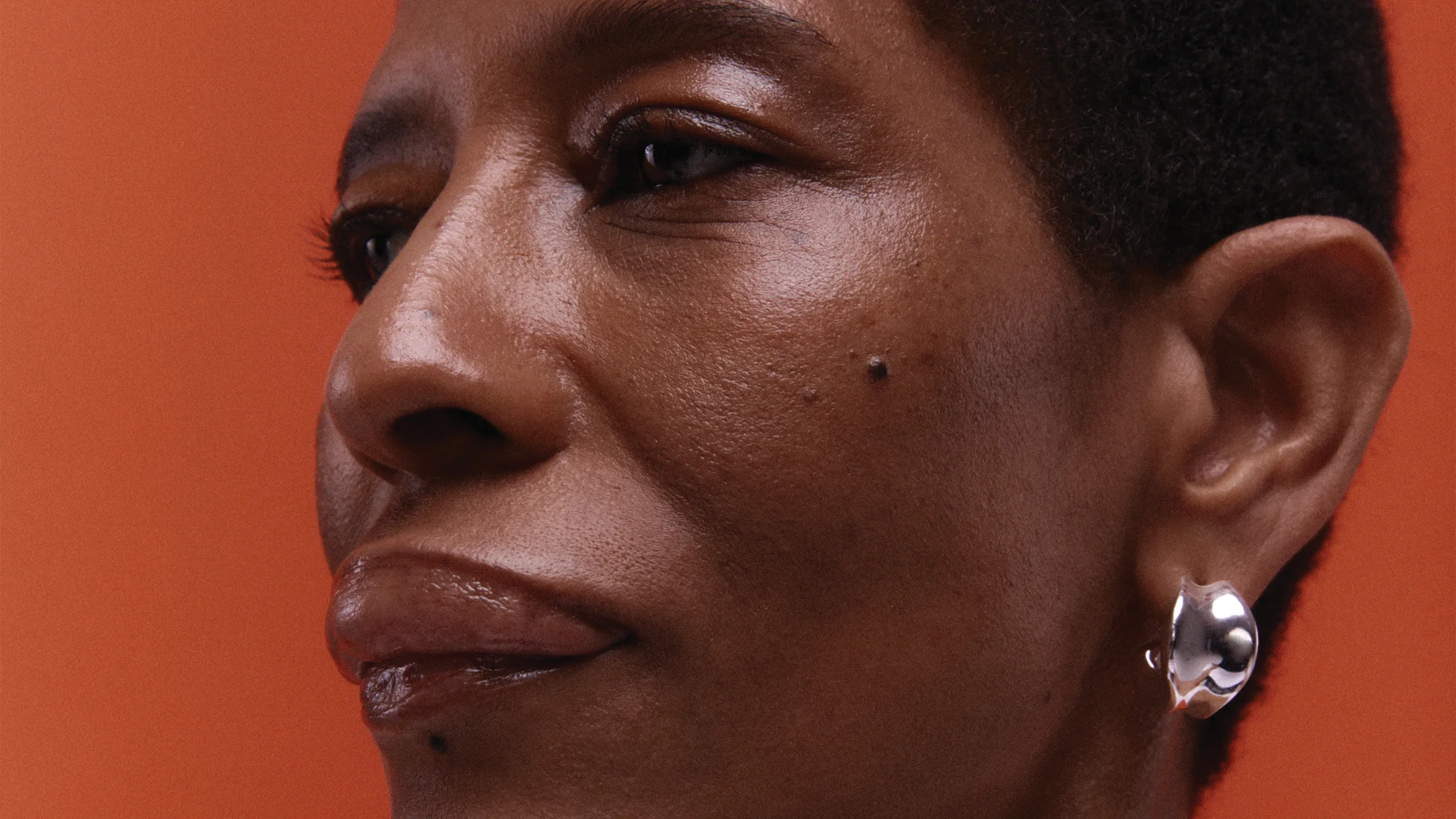
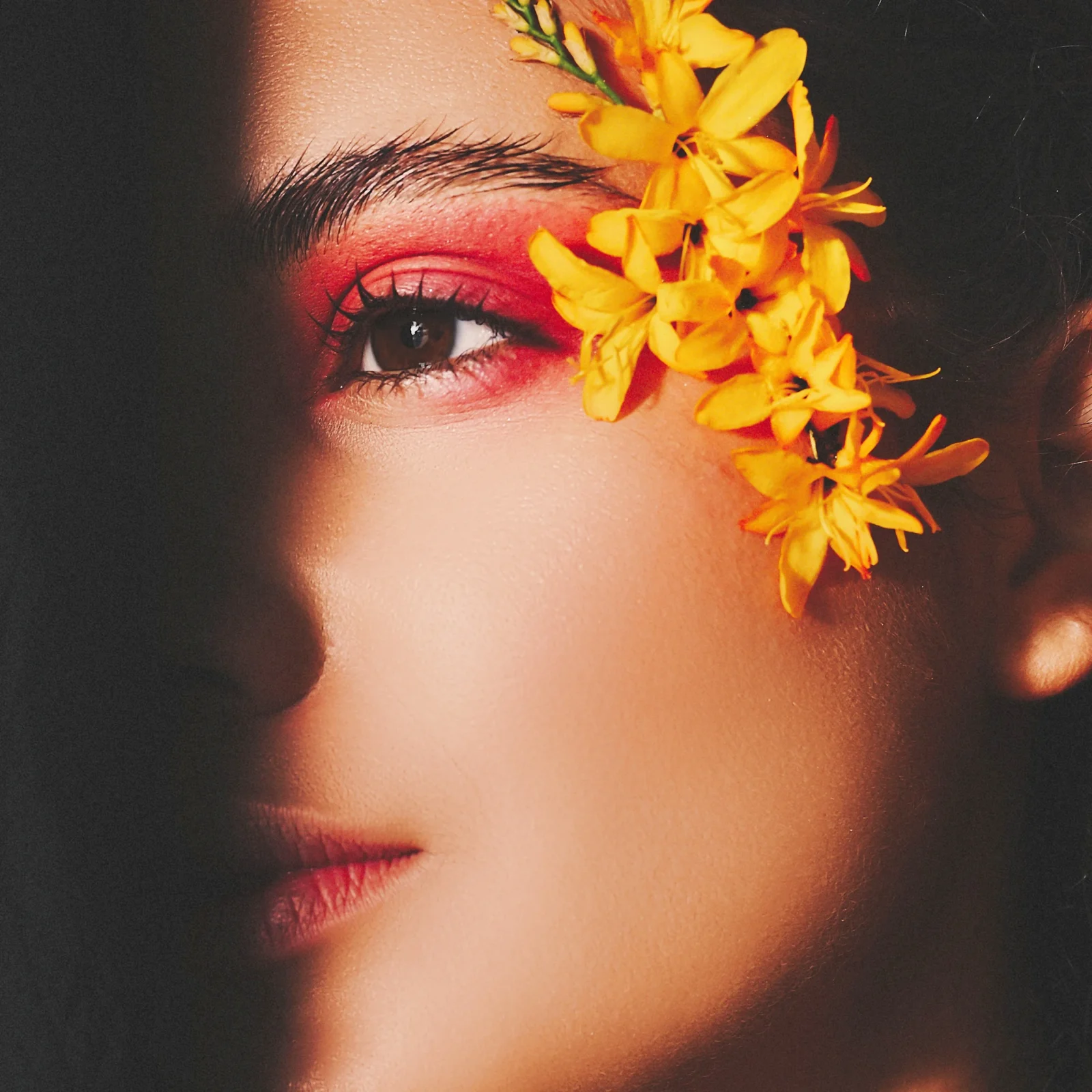
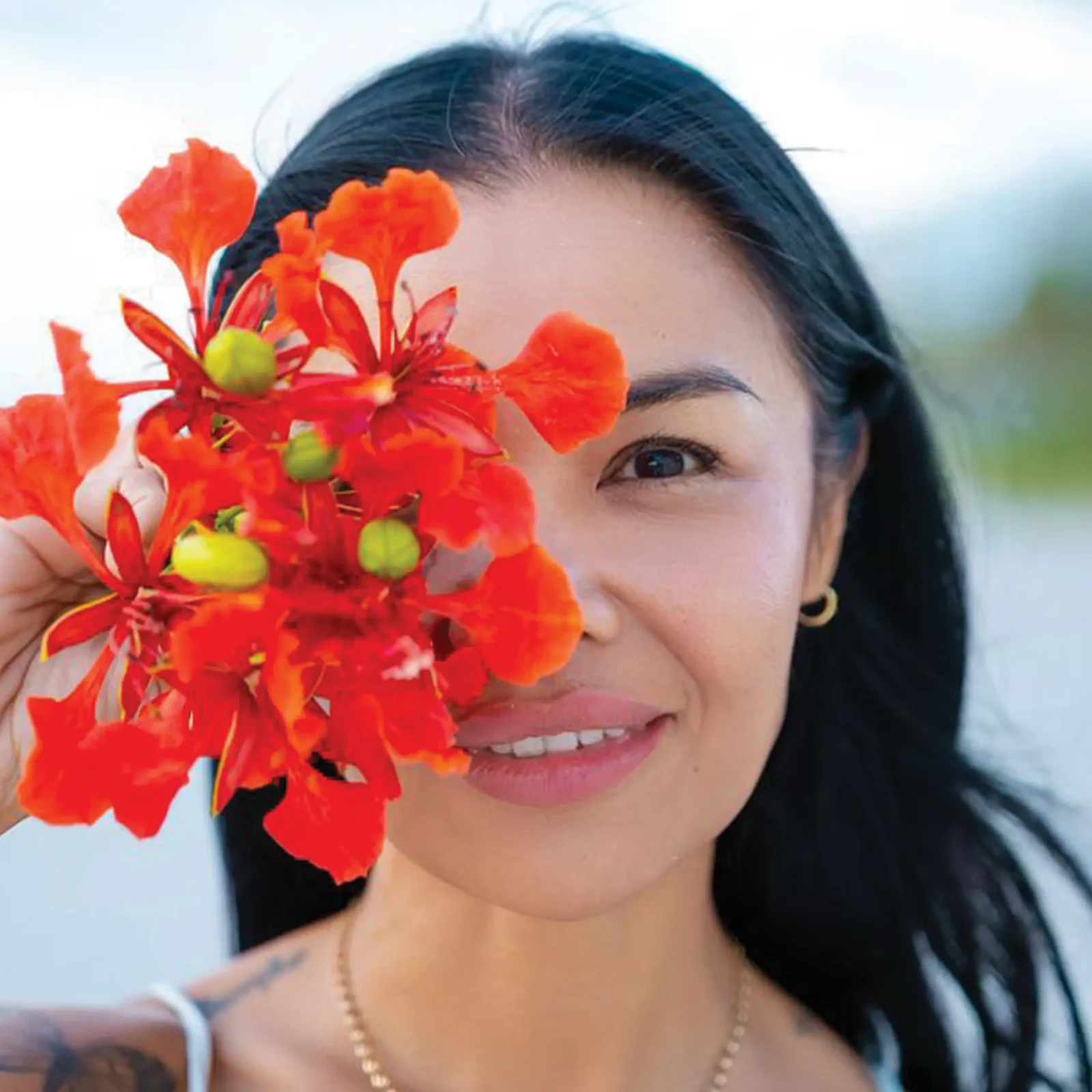
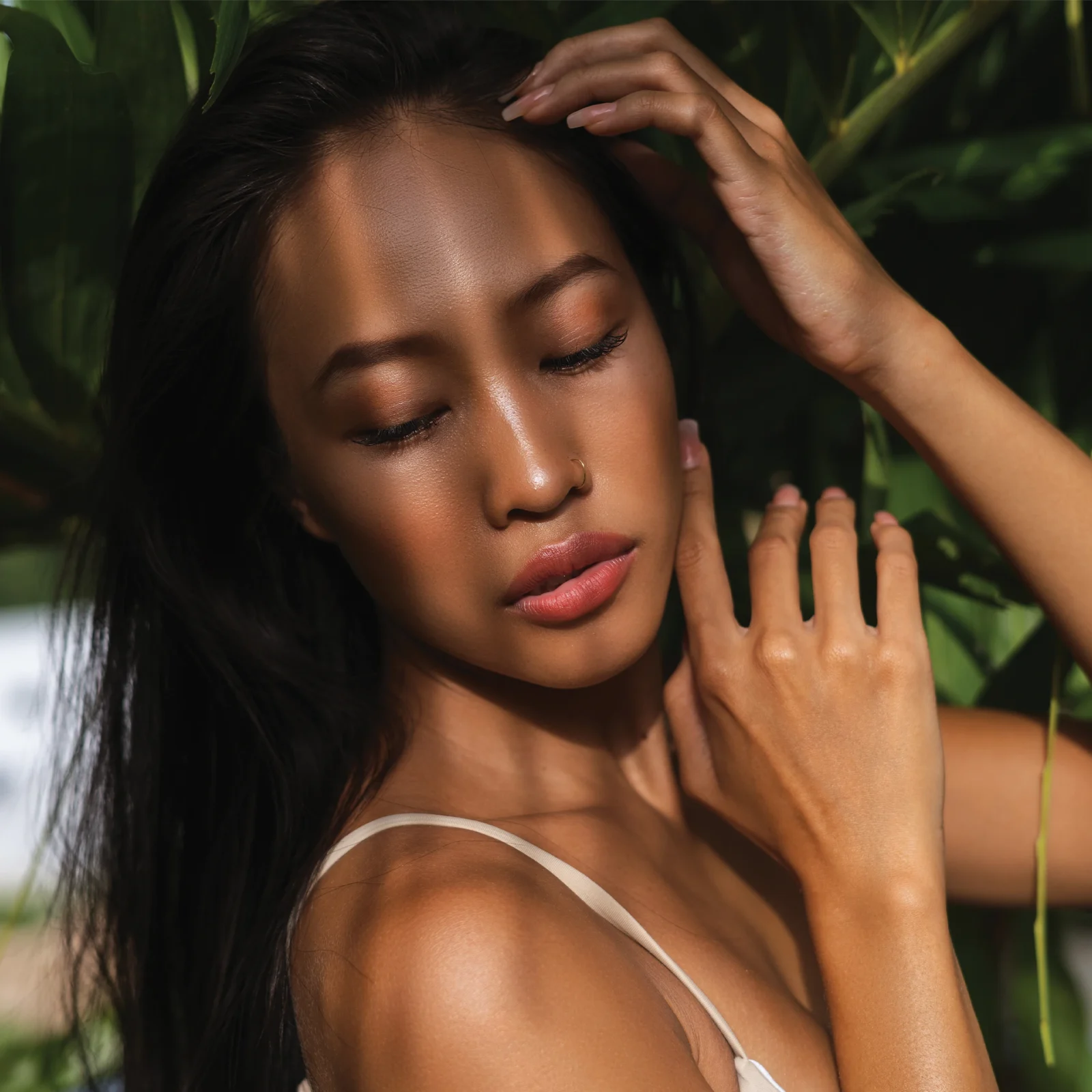
Everyone has melanin. It’s true. Our unique skin tones aren’t a matter of having melanin or not, but a result of the amount, type, size, and distribution of melanin our bodies are genetically predisposed to produce. Melanin is created by cells called melanocytes, of which we all have a similar amount, says dermatologist Dhaval G. Bhanusali. You’re born with all of your melanocytes, but since they don’t begin to function until the second trimester of development, “newborn skin is not yet fully pigmented and their skin can darken over the first few months,” says dermatologist Naana Boakye, who adds this is most notable in darker skin tones. According to Bhanusali, the shade that eventually develops is dictated by the ratios of two types of melanin: eumelanin, which manifests as brown and black pigment, and pheomelanin, which appears as red and yellow. “How much [of each type of] melanin is produced accounts for the color variance we see in different ethnicities and people,” says Bhanusali. But not just people: Melanin is also responsible for the beautiful hues of butterflies and bird feathers. Traces of melanin have even been found in dinosaur fossils. A world without melanin wouldn’t look like our world at all.
Beyond skin deep
Anywhere there’s pigment on your body, it’s a direct result of melanin…or a lack thereof. The color of your eyes, which is determined by genetics, correlates to the amount and type of melanin found in the front layers of your irises. Eyes that appear brown have the most melanin (green or hazel have some, but less), and blue eyes have none. In fact, blue eyes get their azure color the same way water and sky get theirs: by scattering light so that blue reflects back out.
There are also melanocytes in your hair follicles. The type of melanin that manifests from those melanocytes—and in turn, your hair color—also comes down to genetics. As with skin, it is the ratio of eumelanin produced that results in darker or lighter hair. It’s estimated that worldwide more than 90 percent of people have brown or black hair. (Comparatively, about 2 percent have red hair.)
As we age, hair color, of course, fades to white or gray. Scientists still aren’t sure exactly why that is, but it might also be a matter of melanin: “[There’s] some thought that it may be related to hydrogen peroxide, which is a metabolic byproduct of cells in the hair bulb,” says Bhanusali. “Over time, an enzyme responsible for breaking down [the hydrogen peroxide] declines, which leads to a buildup that can damage or destroy melanocytes.”
Spot check
Consider freckles a perma-reminder to wear sunscreen. They aren’t dangerous and can’t turn into skin cancer, but the presence of freckles does signal your susceptibility to developing it, says dermatologist Ope Ofodile. Though freckles are much more common in those of Caucasian descent with fair skin, no matter your skin tone, you can be genetically predisposed to having freckles, which Ofodile describes as “flat patches [of] pigment.” Freckles can darken (and turn into hyperpigmentation) when melanocytes overproduce melanin following sun exposure.
Melanin is a pigment produced by cells called melanocytes, which are present in similar numbers across all skin tones. What differs between individuals is the amount, type, size, and distribution of melanin produced — factors determined by genetics. Darker skin tones reflect a higher ratio of eumelanin, which produces brown and black pigment, while lighter skin tones reflect a higher ratio of pheomelanin, which produces red and yellow pigment.
Eumelanin and pheomelanin are the two types of melanin responsible for pigmentation in human skin, hair, and eyes. Eumelanin produces brown and black pigment and is dominant in darker skin and hair tones. Pheomelanin produces red and yellow pigment and is more prominent in lighter skin tones and red hair. The ratio of the two types, determined by genetics, accounts for the full range of human skin color variation.
Eye color is determined by the amount and type of melanin in the front layers of the iris — brown eyes have the most, green and hazel have less, and blue eyes have none, getting their color instead from light scattering. Hair color follows the same genetic logic: the ratio of eumelanin in hair follicle melanocytes determines whether hair appears black, brown, or lighter. Hair grays as melanocytes are damaged over time, possibly by a buildup of hydrogen peroxide.
Freckles are flat patches of pigment that form when melanocytes overproduce melanin in response to sun exposure. They are not dangerous and cannot become skin cancer — but their presence can indicate a genetic predisposition to sun sensitivity and a higher susceptibility to developing skin cancer. Dermatologist Dr. Ope Ofodile notes that while freckles are more common in fair-skinned individuals, any skin tone can be genetically predisposed to them.
When melanocytes are triggered by sun exposure, inflammation, or skin injury, they can overproduce melanin — resulting in dark patches known as hyperpigmentation. For Filipinas and others with higher baseline melanin levels, this overproduction can be more pronounced and persistent, as the cells that produce melanin are already more active. Daily sunscreen use is the primary evidence-based step for preventing sun-induced melanin overproduction and the darkening of existing pigmentation.