It’s a tricky thing, trying to define beauty. It’s a deeply subjective topic, spanning many aspects and dimensions. In recent times, our understanding of what is beautiful, in the physical sense, has, thankfully, expanded. Beauty here in the Philippines is no longer only equated with white skin or mestiza features. It includes all skin colors now, particularly that of the morena.
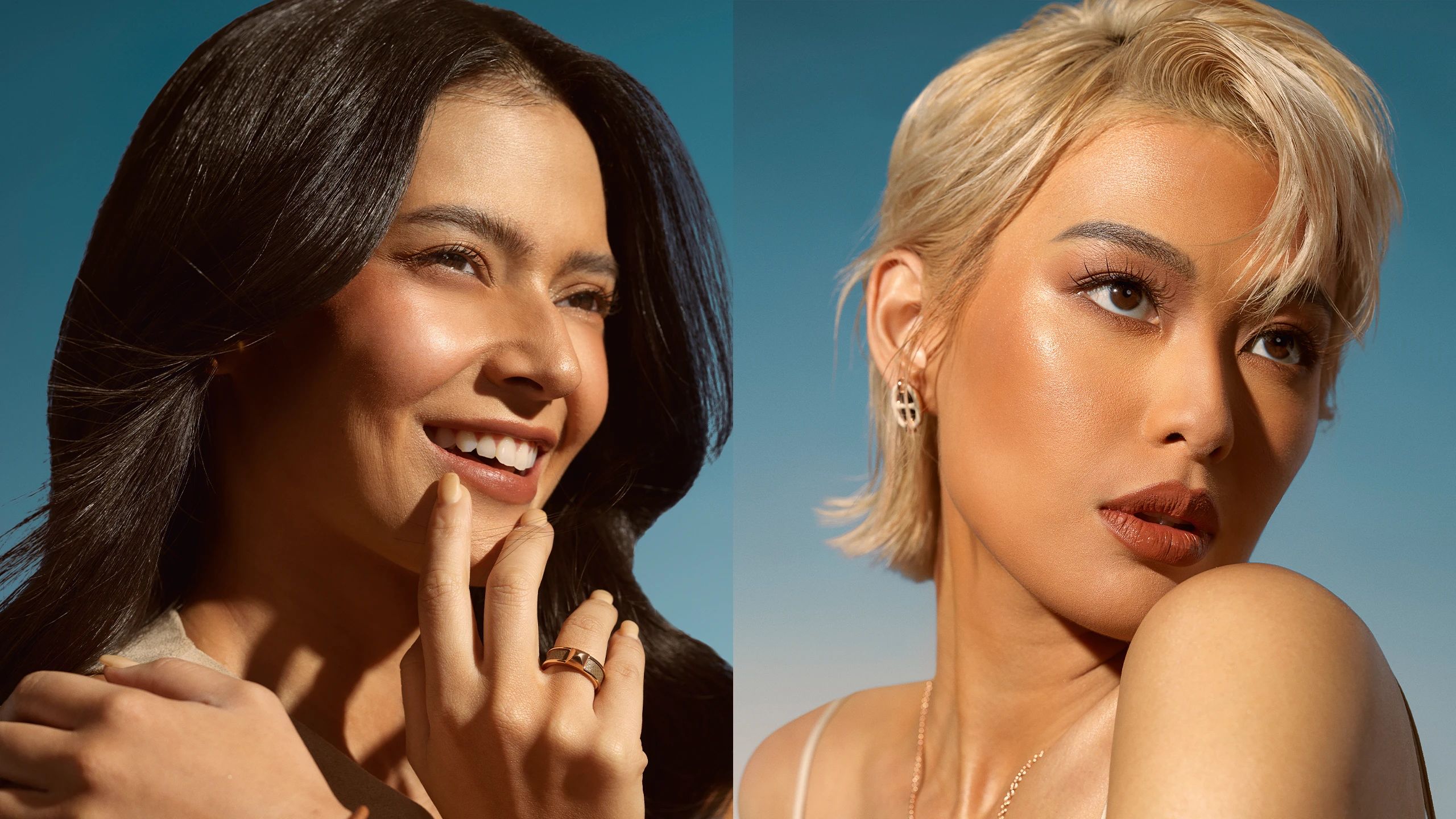
But now we ask the question: Do we only go skin deep? What are the different facets that comprise the meaning of beauty? Do we stick to the physical, or do we delve deeper? Here, we speak to two morenas who have both experienced being run through the stringent beauty standards of local show business—Michelle Marquez Dee and Bianca Umali.
Dee, while doing beauty pageants, noticed that mestizas would always wind up winning the crown, before she helped break through the color barriers herself and began clinching titles. Umali, on the other hand, has been told repeatedly to lighten her skin to be considered more beautiful, even getting bashed when she tanned herself for a film role as the daughter of legendary morena Nora Aunor, with detractors going as far as to nickname her “Dirty Bianca.”
But in speaking with them for this piece, we don’t necessarily discuss the physical. Instead, we zero in on what sets these beautiful morenas apart—their advocacies. Because beauty goes beyond the color of our skin—it is character and cause as well.
The morena beauty movement is a cultural and aesthetic shift in the Philippines that challenges the historical preference for light skin and mestiza features, centering the beauty, worth, and identity of Filipinas with darker complexions on their own terms.
Michelle Dee helped break through the color barrier in Philippine pageantry — where mestiza contestants historically dominated — by clinching titles as a morena, shifting expectations of what a Filipino beauty queen looks and represents.
Bianca Umali was criticized and nicknamed “Dirty Bianca” after darkening her skin for a film role as Nora Aunor’s daughter, exposing persistent colorism in the local entertainment industry despite growing morena visibility
For morena public figures like Michelle Dee and Bianca Umali, beauty is inseparable from advocacy — their visibility challenges colorist standards and redefines Filipino beauty as a question of character and cause, not just skin tone.
Melanin provides some natural UV protection and reduces sunburn risk in morena skin, but it does not eliminate the need for sun protection — morena Filipinas remain at risk for hyperpigmentation, sun damage, and skin cancer.
Lia Cruz is a broadcaster, presenter, and writer whose expertise spans lifestyle, travel, climate, and women’s issues. Drawing on nearly two decades of experience in television and live media, she brings thoughtful storytelling and a people-first perspective to every feature. At Allure Philippines, she writes profile features that uncover the stories behind the people shaping beauty, culture, and society.