The Beauty of Resilience: How the Philippine Beauty Industry Adapts in Times of Economic Uncertainty
With everything happening in the world today—wars, political unrest, inflation, and rising costs of living—where does beauty still fit in? And how does the beauty industry adapt? Social entrepreneur Lynn Pinugu investigates.


The Lipstick Effect: Beauty Spending in Economic Downturns
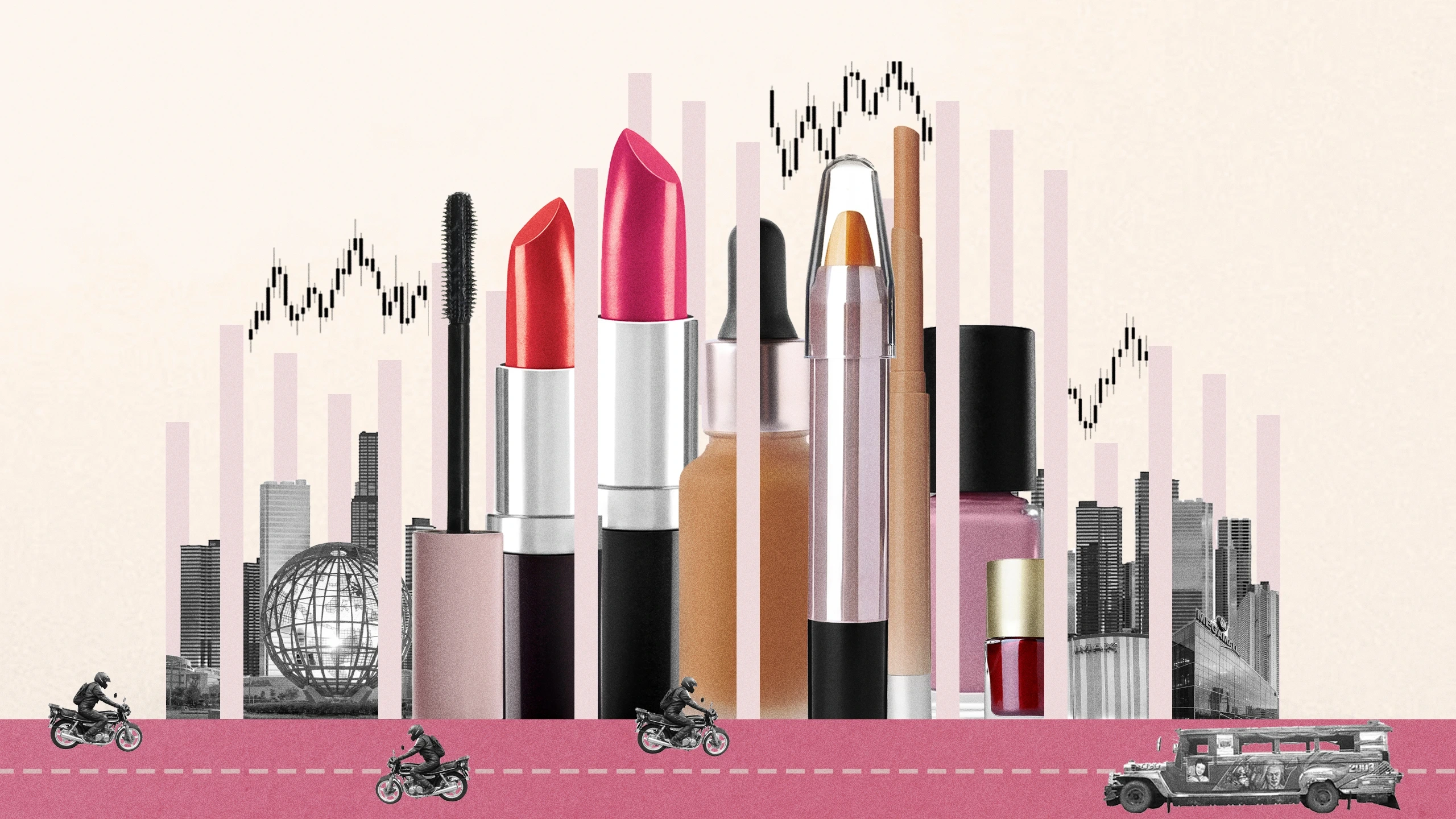
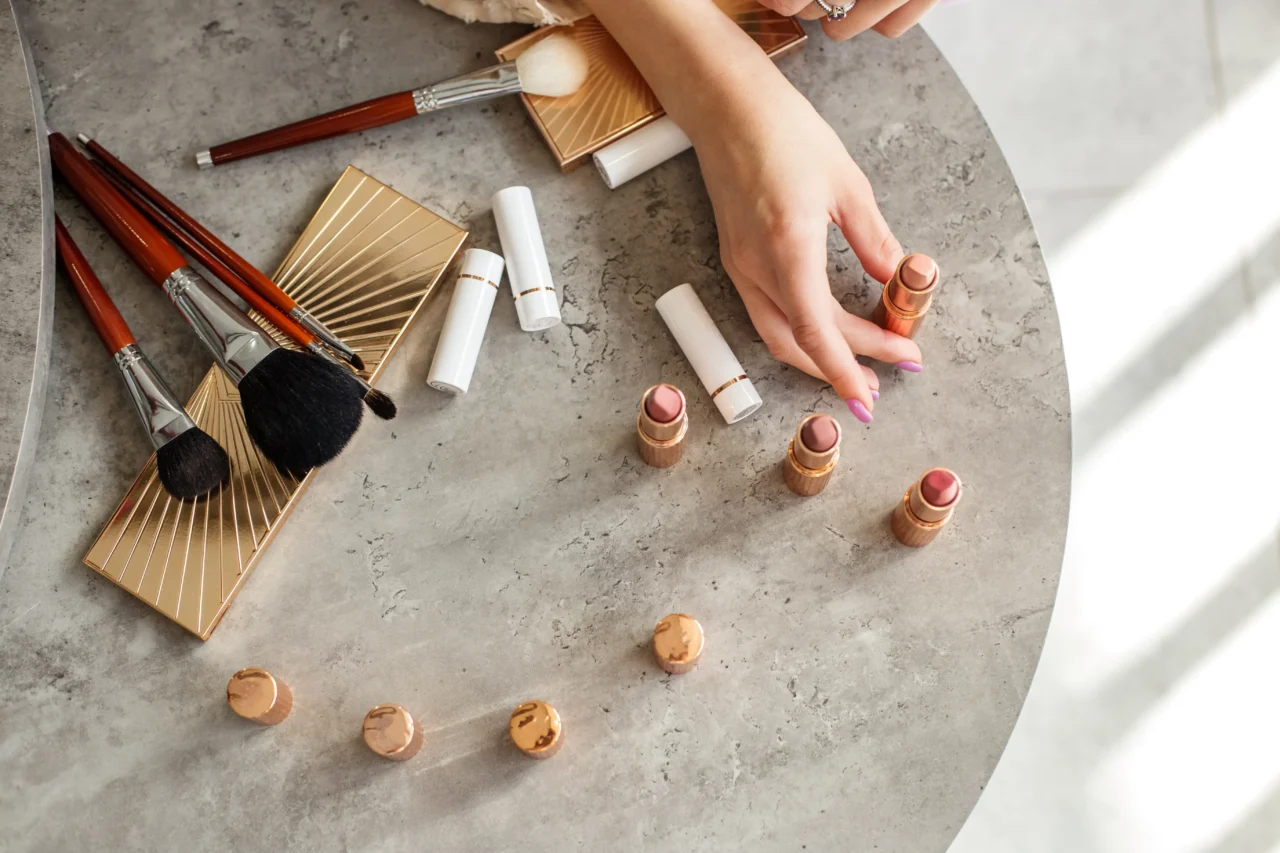
When money is tight, beauty—and beauty products—can seem, at first glance, like one of the easiest things to cut out of one’s budget. And yet, history seems to prove otherwise. In 2001, Estee Lauder founder Leonard Lauder noticed that lipstick sales rose significantly after the September 11 terrorist attacks. At a time when consumers were expected to pull back from spending, women were still buying small, affordable luxuries that offered a sense of comfort and normalcy. He called this phenomenon the “lipstick effect.”
A similar trend was observed again during the COVID-19 pandemic. Mandatory masks may have lessened the need for lipstick, but they led to the “mascara index,” as beauty brands saw a surge in demand for eye makeup.
Beauty may not officially be an “essential” category, but a 2012 study published in the Journal of Personality and Social Psychology offers insight into the intangible value that the industry holds for its consumers. After analyzing 20 years of US retail data, the researchers found that women facing economic challenges like unemployment and a looming recession consistently cut back on other items while maintaining or even increasing their spending on cosmetics and personal care. They invest in “attractiveness-enhancing items”, believing that looking good translates to better opportunities and improved well-being.
Beauty can also serve as a helpful catalyst for emotional resilience. When Typhoon Odette hit, the nonprofit I lead asked teachers from our Cebu-based partner communities for their wishlist for the relief packs. To our surprise, they included requests for lipstick and face powder. They had lost many of the things they owned. But the simple act of making themselves look good remained important to them. It was a ritual of self-care and self-respect, and a gentle reminder to keep moving forward.
Filipino Beauty Spending Shifts: Inflation and Consumer Behavior
Envato Images
For countries like the Philippines that rely heavily on imported oil and goods, external shocks can be especially consequential. But despite the high inflation (7.1 percent for April 2026), Beautybox Corp CEO Cheryl Tan Chua says the first sign of pressure is rarely consumers abandoning beauty altogether.
“It’s more about how often they buy and how much they spend each time,” Chua says. “Instead of splurging, shoppers begin purchasing less frequently, choosing smaller sizes, or opting for practical formats such as refills. They also become more cautious with experimentation, returning to products and brands they already trust.”
Chua, whose company distributes Japanese beauty brands in the Philippines, says daily essentials such as cleansers, sunscreen, moisturizers, shampoo, and conditioner tend to hold steady because they are woven into one’s routine and seen as non-negotiables.
Anna Meloto-Wilk, co-founder of Filipino lifestyle and personal care brand Human Nature, has watched this shift play out across her own customer base. During the pandemic, she says spending often shifted rather than disappeared. For instance, with the limited salon visits, consumers turned toward home-based self-care products and rituals, such as hair dye kits, masks, scrubs, and aromatherapy.
“There is a segment of more price-sensitive customers who may downgrade to cheaper brands,” she says. Others, she notes, may justify investing in higher-quality skincare because they are spending less elsewhere. “At the end of the day, people are still going to want to spend on something to help them feel good in the midst of uncertainties.”
What emerges in these moments is clarity. Consumers may still spend, but they want products that perform, last longer, or justify their price through quality and trust. “Filipino consumers today are less solely price-conscious and more value-conscious,” Chua says. “People are always asking, ‘Is this worth it?’ or ‘Sulit ba?’”
Philippine Beauty Brands: Recalibrating for Economic Uncertainty
For brands, the picture is more challenging. Since many Philippine beauty companies rely on imported products or ingredients, currency fluctuations and logistics costs can significantly affect profit margins. Brands often try to shield customers from sudden price increases, but that becomes harder when inflation is compounded by freight costs, raw material pressures, and manufacturing expenses abroad. “When the peso weakens, everything becomes more expensive—landed cost, shipping, duties, and VAT,” Chua explains.
Chua says companies have had to become leaner and more strategic by relying on data, and focusing launches around hero products rather than chasing novelty. “We’ve become much more data-driven,” she says. “Inventory is now kept leaner, with more structured replenishment cycles to avoid overstocking slow-moving items.”
Sustainability and Social Mission as Business Resilience in Philippine Beauty
Envato Images
Market analyst and sustainability advocate Nisha Alicer sees the disruption as a way to push industries to explore alternatives. “I’m compelled to think about this as an opportunity,” she says. “If we can localize value chains responsibly, it would be a great exercise in finding new arrangements where local, biodiverse, decentralized, and inclusive supply networks can flourish.”
Just as a crisis enables people to recalibrate their lifestyles, Alicer believes it can inspire more local businesses to embrace sustainability as a resilience strategy. “We can develop community-based enterprises that support local livelihoods, preservation, and innovation,” she says. “True sustainability through regenerative agriculture invests in supplier stability and community adaptive capacity, making the entire brand ecosystem more durable. Beyond that, hyperlocal products allow us to reconnect with what is seasonal, biodiverse, and part of our heritage.”
For Human Nature, resilience has also meant staying anchored in their social mission. Earlier this year, leadership was already discussing a wage increase. When war-related economic shocks began driving costs upward, they chose to proceed despite uncertainty. “We thought it best to go ahead with our plans and provide the increase to help our people out amidst the rising costs of daily living,” Meloto-Wilk said.
When Human Nature announced its 10 percent wage increase, the response was immediate. “We received a lot of support from our customers and reached a lot of new ones,” she says. “People want to see good examples and have hope that we can get through the crisis together.”
For Meloto-Wilk, a resilient beauty business means balancing stewardship with compassion: pushing sales through relevant innovations, investing where there is immediate and long-term value, and postponing expenses that can wait.
“It’s a delicate balance,” she shares. “But by putting people first, we become extra motivated to make our business model work to ensure sustainability.”
Beauty tends to mirror the culture around it. In times of abundance, it may celebrate novelty and unbounded self-expression. In harder seasons, there may be a renewed focus on beauty as purpose, care, and the quiet commitment to show up for oneself. People want it to last longer, cost wisely, perform honestly, and come from brands whose values can withstand both time and turbulence.
“Beauty doesn’t disappear from people’s lives,” Chua says. “It just becomes more intentional.”
Frequently Asked Questions
The lipstick effect describes how consumers maintain or increase spending on small, affordable beauty items during economic hardship. Research and industry data from the Philippines confirm this pattern holds — Filipino shoppers reduce frequency and size of purchases, but rarely exit the beauty category entirely.
During periods of high inflation, Filipino beauty consumers shift rather than stop spending. They buy smaller sizes, choose refills over full-size products, experiment less, and return to trusted brands. Daily essentials — cleansers, sunscreen, moisturizer, shampoo — remain non-negotiable, while discretionary items like color cosmetics see reduced frequency.
Philippine beauty brands are managing currency-driven cost pressures by running leaner inventories, structuring tighter replenishment cycles, and focusing product launches on proven hero items rather than novelty. When the peso weakens, landed costs, shipping, duties, and VAT all rise — brands absorb as much as possible before passing costs to consumers.
Market analysts and brand leaders in the Philippines argue that localizing supply chains — through regenerative agriculture, community-based sourcing, and biodiverse local ingredients — can build greater resilience than import-dependent models. Local sourcing reduces exposure to currency fluctuation, freight costs, and global supply disruptions.
A 2012 study in the Journal of Personality and Social Psychology found that women facing economic hardship consistently maintained or increased spending on cosmetics and personal care while cutting elsewhere. Beauty functions as a ritual of self-care, emotional resilience, and perceived opportunity — explaining why demand persists even when budgets contract.