What 20 Years as a Makeup Artist Has Taught Albert Kurniawan About Beauty Insecurities
After nearly two decades behind the makeup chair, the celebrity makeup artist and Teviant founder shares the five concerns clients bring up most—and why he rarely agrees with them.


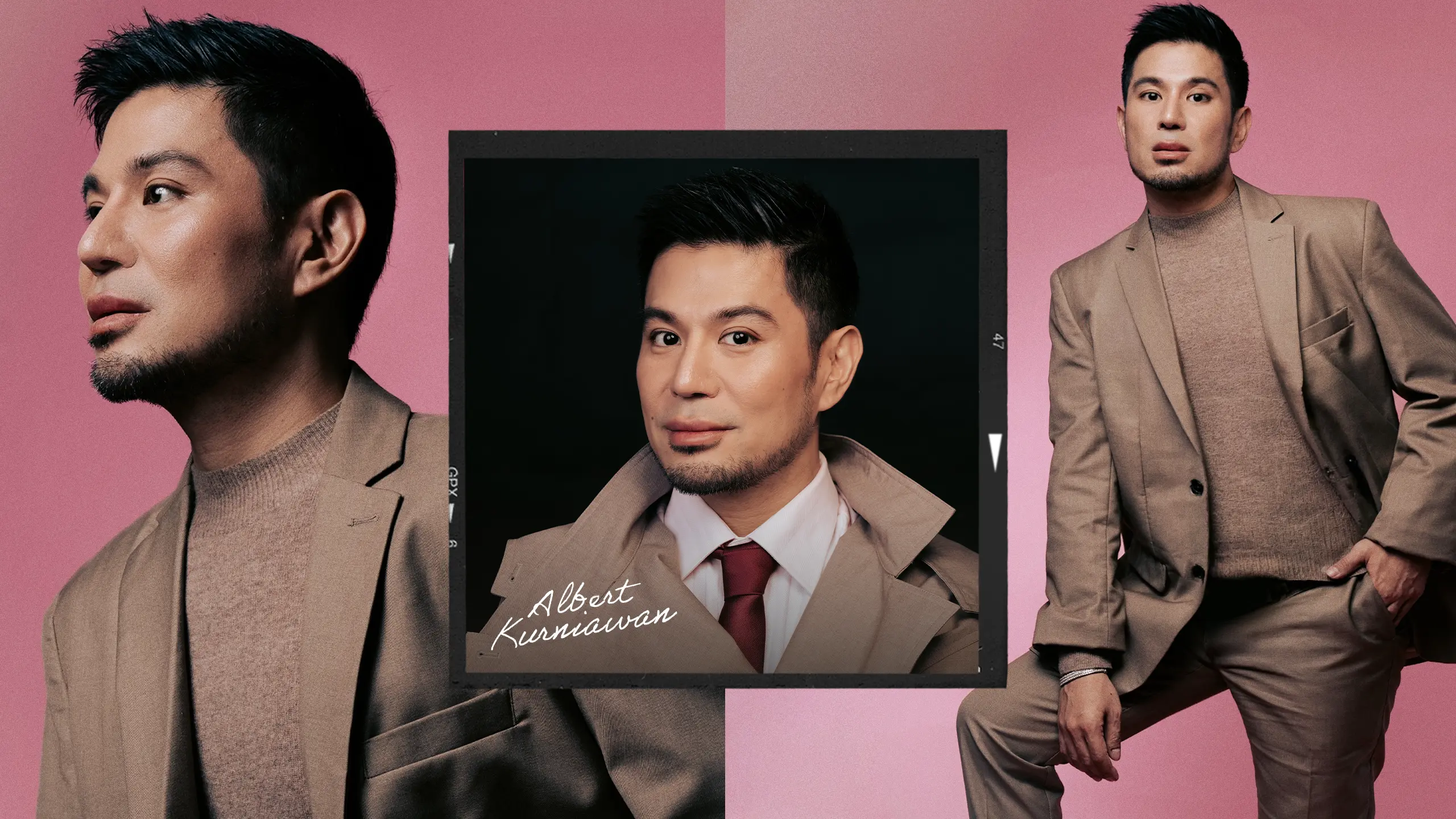
Trusting someone else with your face is not always easy. After all, no one knows your face better than you do: your undertones, whether your skin type leans oily or dry, your best angles & features for the camera’s taking. For makeup artist & Teviant CEO Albert Kurniawan, however, nearly two decades in the industry is enough to understand the people who sit on his chair in just five minutes.
After a hiccup in his plans to pursue interior & fashion design, Kurniawan found his way into beauty with a little encouragement from his friends. His first job—doing hair and makeup for 18 girls—paid him ₱100 a head. Years later, he had blown past every goal he’d set for himself: one December alone brought 37 bridal bookings, and in a single month, he landed 13 magazine covers. Today, he says, a simple touch on the skin is enough to tell whether someone had gotten enough sleep the night before. It’s instincts like these that have led Albert to create Teviant—his own love letter to the Philippines, inspired by years of making professional makeup feel attainable for busy women.
Experience has taught him other things, too. Working with faces across generations—from Boomers, Millennials, Gen Z to Gen Alpha—has shown Kurniawan that beauty insecurities change with the times, but the instinct to overjudge ourselves does not. Before he has even picked up a brush, clients have already prefaced exactly what they believe is wrong with their face: it’s too big, their eyes are too small; or their skin is too oily. Insecurities are often the first things people bring into the makeup chair and, more often than not, the first things he gently disagrees with. His job isn’t just about applying makeup, but offering a different way of seeing the face in front of him.
In this Allure Philippines exclusive, Kurniawan reflects on the beauty insecurities he’s encountered, how they differ across generations, and why trusting a professional sometimes starts with being a little kinder to yourself.
What are five beauty insecurities you’ve heard over the years as a makeup artist, and how would you debunk them?
Number one, regardless of how skinny or how fit they are, lagi nilang sinasabi na malaki ang mukha nila. So, kahit na sinasabi ko na maganda jawline at cheekbones nila, lagi [pa rin] nila iniisip na they have a huge face.
Number two, most of my clients are actually chinitas. The insecurities na naririnig ko are their eyes—how small their eyes are, or they want me to make their eyes appear bigger through makeup.
Then the third one, one that I’ve heard is [a lot] is that, “Albert, [I have super oily skin]. Kahit na nakikita ko na ang skin nila ay super healthy and [minimal] ang pores. Kahit nagalaw na yung makeup, even after two hours—wala pa rin naman oil! They still don’t sweat. They always say that they have super oily skin.
Fourth—actually, this was in the past, but now I see an improvement. Most of my clients preferred [to have] their foundation shades to be lighter, just because they want to appear more fair. But now, luckily, with the help of social media and other media platforms, their insecurities concerning skin colour are slowly fading.
Lastly, definitely, gusto nila mag-apply ng makeup, or [to have their makeup be done], but they don’t want to look different. So one of the insecurities is that they [are apprehensive] of certain looks na sa tingin nila hindi bagay. They always think that they’ll look different, but of course if you seldom use makeup, when you put color on your face—regardless of a no makeup-makeup look or minimum makeup—there’s little change on how you will look.
So where do you think most of these beauty insecurities come from?
I can see huge contributions from social media, kasi people tend to spend most of their days on social media. And then at the same time, people forget also that what they see on social media is already curated—it’s not always real, and some are even filtered. So social media is one of the contributors to these insecurities.
Have beauty standards in the Philippines made certain insecurities stronger?
Like what I mentioned earlier, social media can help or create someone’s insecurities. But in this case, there are also a lot that have been improved through social media. Like in the past, people always believed in certain beauty standards. But now, people are more open-minded with certain beauty looks, and people have started to realize that beauty doesn’t only come in a single shape or color.
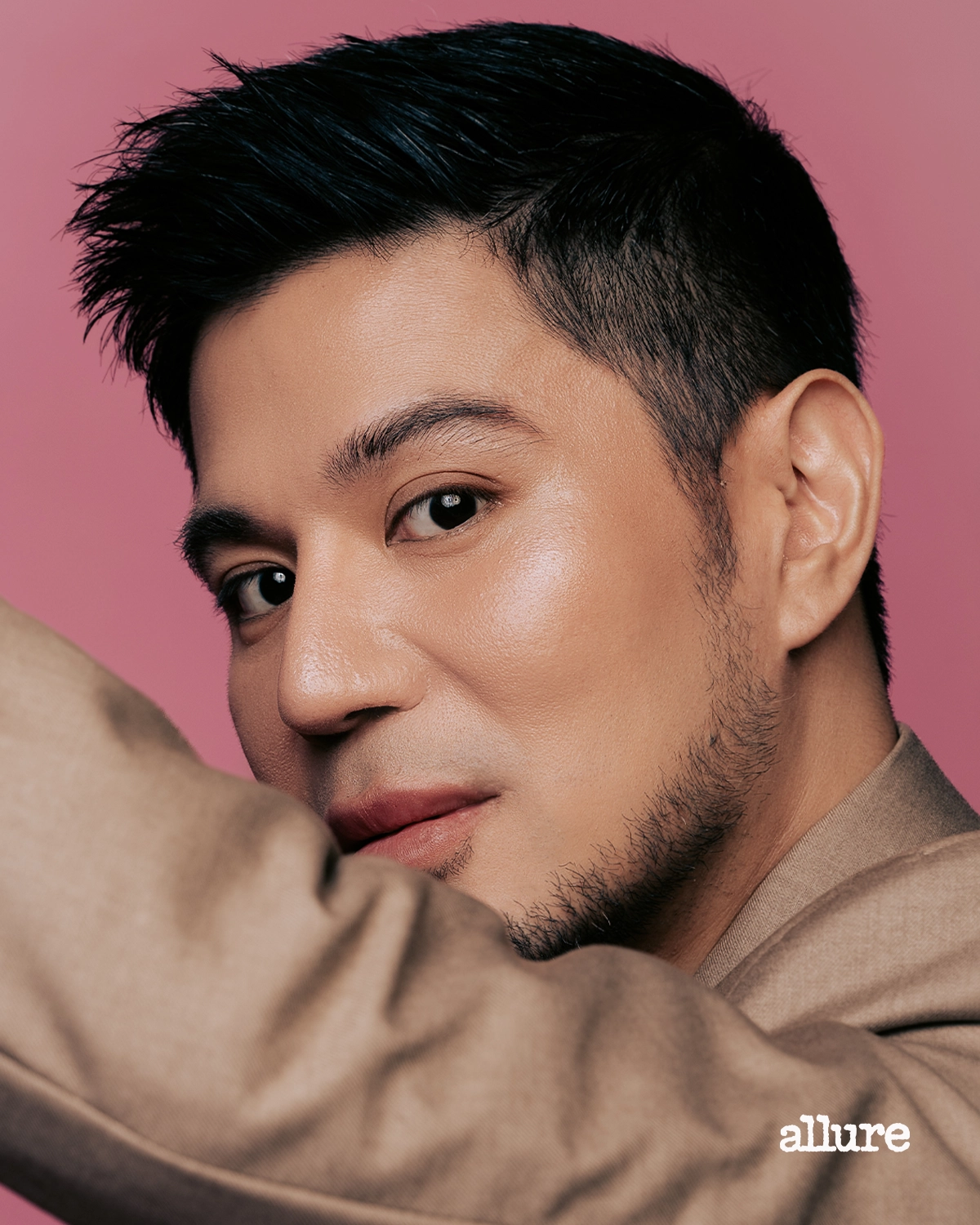
Kim Santos
Do you notice differences in insecurities across generations or age groups?
Oh yeah, a lot. A lot! The Millennials, Gen Z, and Gen Alpha, have different kinds of insecurities. The Millennials, as a makeup artist, what I always hear from them is that they have oily skin. They prefer matte looks; they want their makeup to look plakado, pulido, and parang naka filter.
Gen Z, they like dewy or glowy looks. So, if the makeup is too flat or too matte, they don’t like it. And their insecurity is normally colors—like it’s too pink. They are afraid of certain colors, and they always go for safer colors. I think I can say the most in demand colors for Gen Z are terracotta colors or warm, rich brown colors. So, they always go with that kind of color palette.
Then for [Gen] Alpha, mas gusto nila yung clean. Their insecurities are that they love makeup so much, but they don’t want the makeup to look obvious on their face. They love makeup; they know how to do makeup; what to put on specific products, but they don’t want it to look obvious. So, there’s a difference for each group also.
How about for Boomers?
Oh, the framing of the face is very important for them. So, definitely, they always think that their face looks big, but in fact, kahit super chiseled and super snatched na [ang kanilang face], they always think that their face is quite big. So, the challenge [for them] is not only contouring, but also the right face framing using the hair.
It’s also our role as a makeup artist to convince them otherwise [of these insecurities].
So, what do people consistently overestimate about their flaws?
A lot of people think that they already know what their flaws are. I mean, of course! I would say to my clients that sometimes the best makeup artists are themselves—they know the certain features that they want to highlight or hide. For example, here in the Philippines, a lot of people assume they’re ‘acidic’ when their makeup oxidizes and turns darker.
So kahit, hindi naman, as a makeup artist, even by seeing skin without applying makeup, alam na namin if the skin is acidic, puyat, or has an imbalance of pH level. We know right away how to prep the skin—what kind of color or foundation that we have to use.
But sometimes, even though [makeup artists] can analyze that, clients have already overjudged themselves. Like, oh Albert, you have to use a foundation three shades lighter or four shades lighter.
What would you want people to understand about the way professionals see faces?
A lot of people think that we spend time, like an hour, analyzing the face while doing the makeup. But, I guess, certain makeup artists, I mean, for me, I’ve been doing makeup for almost 20 years—by seeing the certain skin, its conditions and just spending two minutes or five minutes analyzing skin, sometimes we can immediately tell.
Trust and believe the professionals—that’s why you want the professionals to do your makeup. We’re also using our experience in applying makeup on your face to make you feel better.
When the makeup is bad, it’s not just the client who will not look maganda. So, don’t worry! Trust the professionals because we always give our best to every client that we have.
Frequently Asked Questions
A large face is the most common one—clients believe their face looks big regardless of their actual jawline or cheekbone definition, even when he points out that their features are already well-defined and proportionate to their overall face shape.
Chinita clients frequently feel their eyes look too small and request makeup techniques that visually enlarge the eye shape, even when their features are already balanced—an insecurity he attributes to comparison rather than an actual proportion issue.
Many clients insist their skin is oily even when testing shows minimal shine or visible pores after hours of wear, a mismatch he attributes to self-perception rather than the skin’s actual condition, oil production, or texture.
Social media is the primary driver, since curated and filtered images distort what real skin and features actually look like, setting an unrealistic reference point that fuels comparison-based insecurities that don’t reflect how people naturally appear.
Millennials favor matte, polished looks and worry most about oiliness; Gen Z leans dewy with safer terracotta tones over pink; Gen Alpha wants makeup that looks undetectable on their skin, despite genuinely loving wearing it daily.