Can You Overdo Scalp Care? Here’s How to Actually Care for Your Scalp
You might be tempted to care for your scalp the way you do your skin, but that doesn’t mean your scalp needs every serum, exfoliant, or leave-on treatment that comes its way. Here’s what a Filipino dermatologist says it actually needs.



The scalp, much like the skin, has its own unique ecosystem.
According to a published study in the National Library of Medicine, it has a higher density of hair follicles. It also has a high density of sebaceous glands, which means it produces more sebum than many other areas of the skin. Its stratum corneum, or outermost layer of skin, is thinner, too, with fewer natural moisturizing factors (NMFs) than the skin on the forearm.
Caring for the scalp is therefore a science in itself—one that requires its own deliberate, expert-backed regimen. Yet, more attention doesn’t always mean better care. Sometimes, the instinct to scrub away a flake, add another treatment, or simply do more can work against the scalp rather than for it.
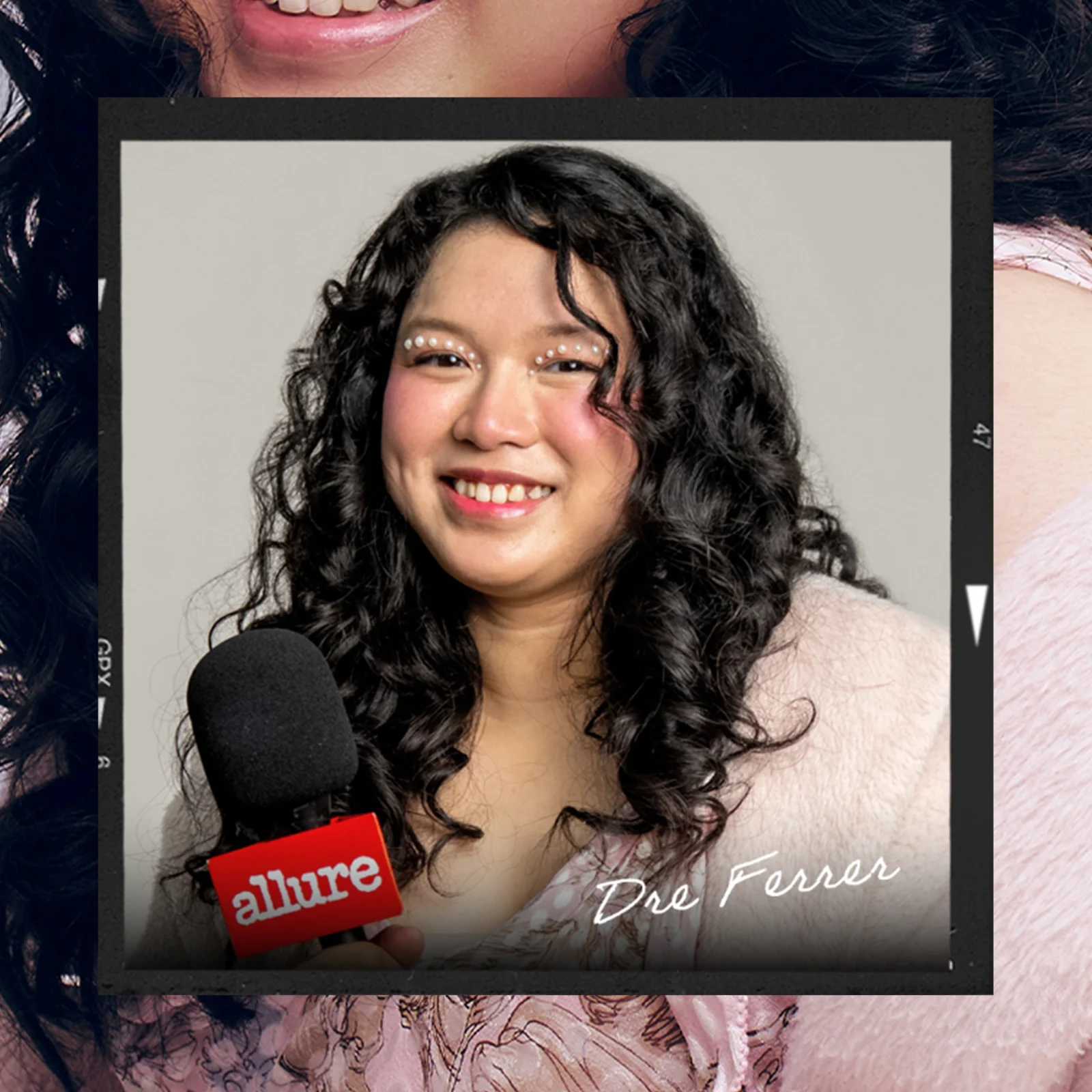
At the first-ever Unilever Beauty Science Summit at The Fifth at Rockwell last October 1, 2026, Allure Philippines sat down with Maria Franchesca S. Quinio-Calayag, MD, a board-certified dermatologist and dermatopathologist with expertise in scalp health, to unpack what actually happens when we overdo it.
How to keep scalp care simple: fewer products, fewer actives
Treating the hair without considering the scalp, Dr. Quinio-Calayag says, is like tending to a plant while ignoring the soil it grows in. “It’s very important for us to treat hair and scalp in unison,” she says.
The problem though, she says, is that we can be a little too enthusiastic about getting it thoroughly clean. “We really like to wash and scrub thoroughly using very strong ingredients, but this can further destroy the skin barrier of the scalp, which can potentially contribute to hair fall and hair breakage.”
When asked what makes a scalp careScalp CareThe practice of keeping the scalp clean, balanced, and healthy, since it is the foundation of strong hair growth. Regular cleansing, gentle exfoliation, and targeted treatments for dandruff, oiliness, orGo to Scalp Care Glossary product potentially too harsh, Dr. Quinio-Calayag points to formulas that are heavily fragranced or contain ingredients without much evidence behind them. Her bigger piece of advice is less about what to do than what to leave out.
“I always tell my patients, always keep it simple,” she says. “The fewer the products, the fewer the actives—the one that is just important to what your skin concern or hair concern is, that is what will work.”
Her rule of thumb? “Do not fix something that is not broken.”
Is scalp scrubbing bad for you? Why dermatologists advise against it
A simple kutkot—or the act of physically removing flakes—is an easy indulgence, especially with the rise of scalp care tools and treatments available online. Dr. Quinio-Calayag has seen patients turn to vigorous brushing, pointed scalp scrubs, combs, and even professional services designed to scrape away buildup.
“The problem with [those products] is that you’re destroying the skin barrier,” she says. “Scraping, then, leads to further invasion of fungal elements and bacteria, so it further destroys or aggravates the problem of the scalp.”
It’s not something she advises for her patients. “For me, I always tell my patients: scalp scrubbing is not a recommendation by dermatologists.”
Envato Images
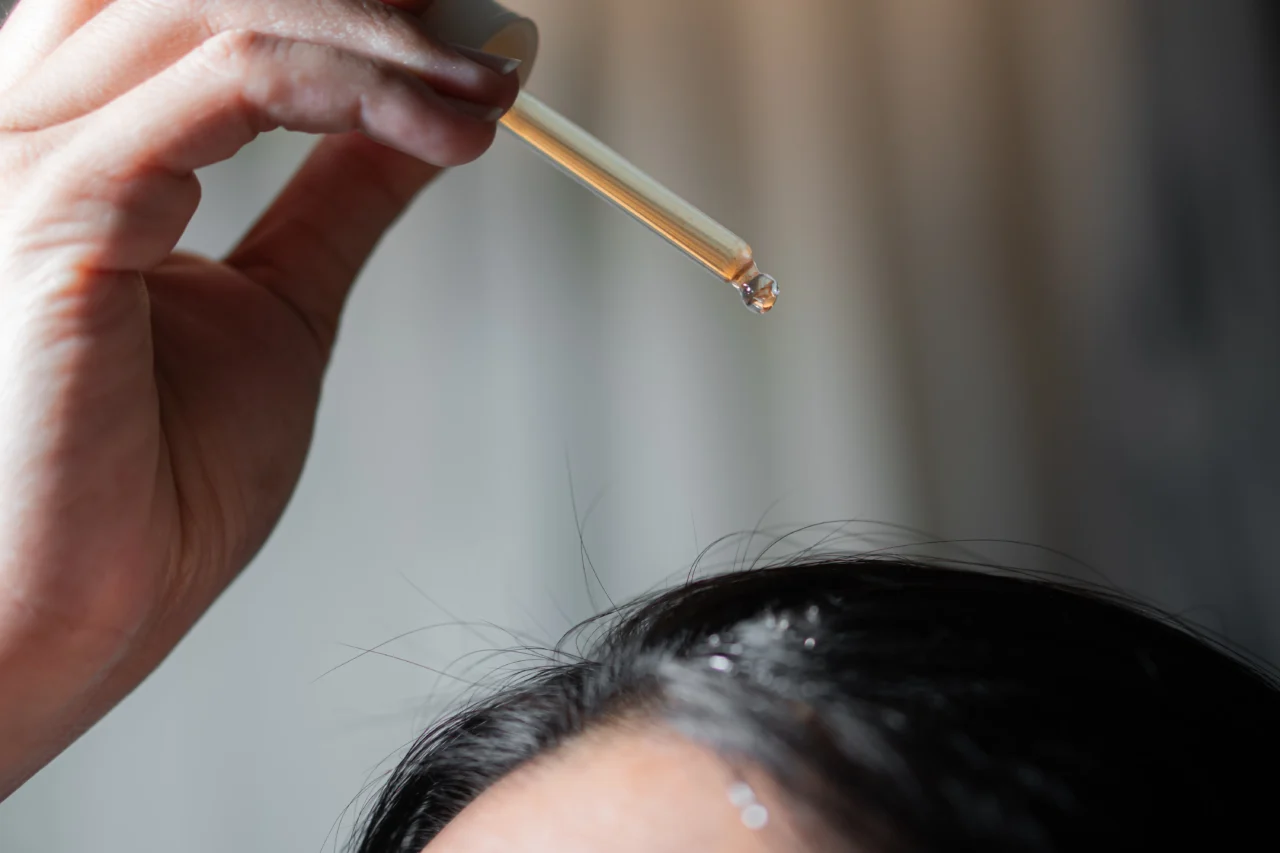
Do you actually need a scalp serum? How about leave-ons?
As scalp care borrows more and more from skin care, the internet has recommended a nonstop stream of serums, exfoliants, and leave-on treatments, with the intent to treat the scalp the way we do our faces. But according to Dr. Quinio-Calayag, that doesn’t necessarily mean your scalp needs another set of products.
Leave-on products can have their place. But when a leave-on product promises to treat scalp scaling, Dr. Quinio-Calayag raises her eyebrows. “If you tell me that it will decrease [dandruff] scaling, maybe the evidence-based [ingredient] for the leave-on treatment is the usual mineral oil. The rest, the other leave-ons, will just really add up the scales, which leads to further aggravation of seborrheic dermatitis.”
She adds, “If you do not need it, then don’t use it,” making an exception for products that provide sun or heat protection.
Why diagnosing dandruff comes before treating it
Perhaps the most crucial insight to take away from the summit is that flaking isn’t a diagnosis—it’s simply the sign of an underlying issue. Dandruff-like symptoms can have different causes, and Dr. Quinio-Calayag stresses that treatment only works when it is aimed at the actual condition.
“If you have dandruff, we have to have the correct diagnosis,” she says. “Because if it’s psoriasis and it’s not seborrheic dermatitis, or the flaking of the scalp, then whatever you apply, even if you leave it on for 24 hours, it won’t work.”
In other words, the answer isn’t necessarily a stronger product, or a longer leave-on time. “You have to treat it and have to diagnose it,” she says. “And then if you have the correct diagnosis, you know the right treatment.”
Frequently Asked Questions
Yes. Dr. Maria Franchesca S. Quinio-Calayag says thorough washing and scrubbing with strong ingredients can damage the scalp’s skin barrier, potentially contributing to hair fall and breakage. She advises keeping routines simple, with fewer products and actives.
No. Dr. Quinio-Calayag says dermatologists do not recommend scalp scrubbing. Scraping and vigorous scrubbing damage the skin barrier and can lead to further invasion of fungal elements and bacteria, aggravating scalp problems.
Not necessarily. Dr. Quinio-Calayag says to skip any product you do not need, except those offering sun or heat protection. Leave-ons other than evidence-based ones can add to scales and aggravate seborrheic dermatitis.
According to Dr. Quinio-Calayag, heavily fragranced formulas and products with ingredients lacking evidence can be too harsh. She recommends fewer products—only the actives your specific hair or scalp concern needs—and not fixing what is not broken.
Flaking is a sign, not a diagnosis. Dr. Quinio-Calayag says treatment only works when it targets the actual condition. If flakes come from psoriasis rather than seborrheic dermatitis, products will not work, even left on for 24 hours.