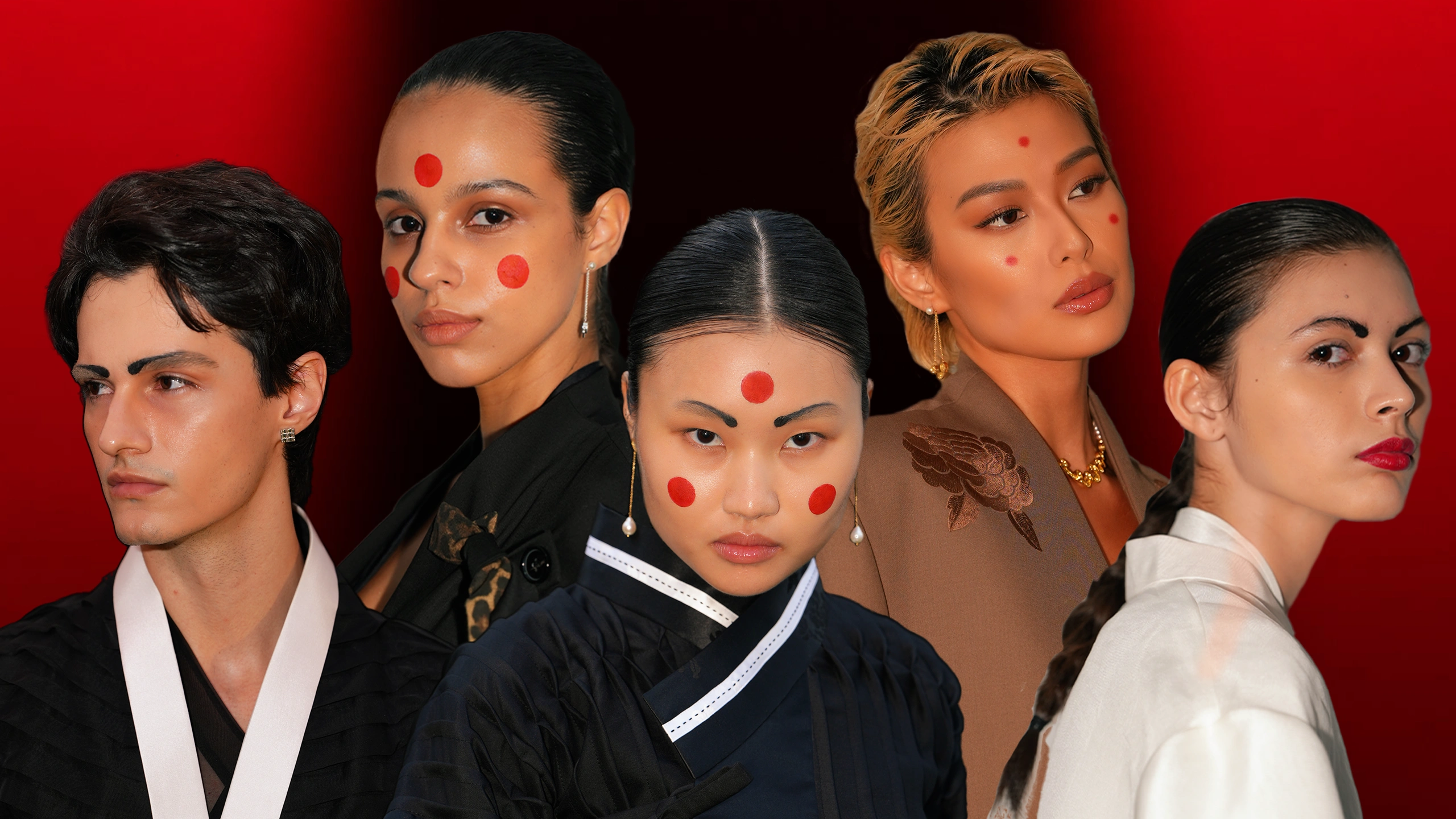
Youth, spiritual protection, and heritage join hands on the runway in a celebration of traditional South Korean culture.
At Bajuyo’s Fashion Week Asia 2026 show at Palacio de Memoria, beauty turned its eye to Korean tradition and gave it a modern edit. The South Korean label, led by Darni Park, brings the hanbok into contemporary life, working with artisans and tailors to make each garment unique—and by hand.
For the show, Park presents Tie Time: Korea, highlighting the goreum—or the ribbons attached to the front of the hanbok. Knots, embroidery, and rich textures appear with restraint, each piece staying rooted in tradition while still evoking an air of modernity.
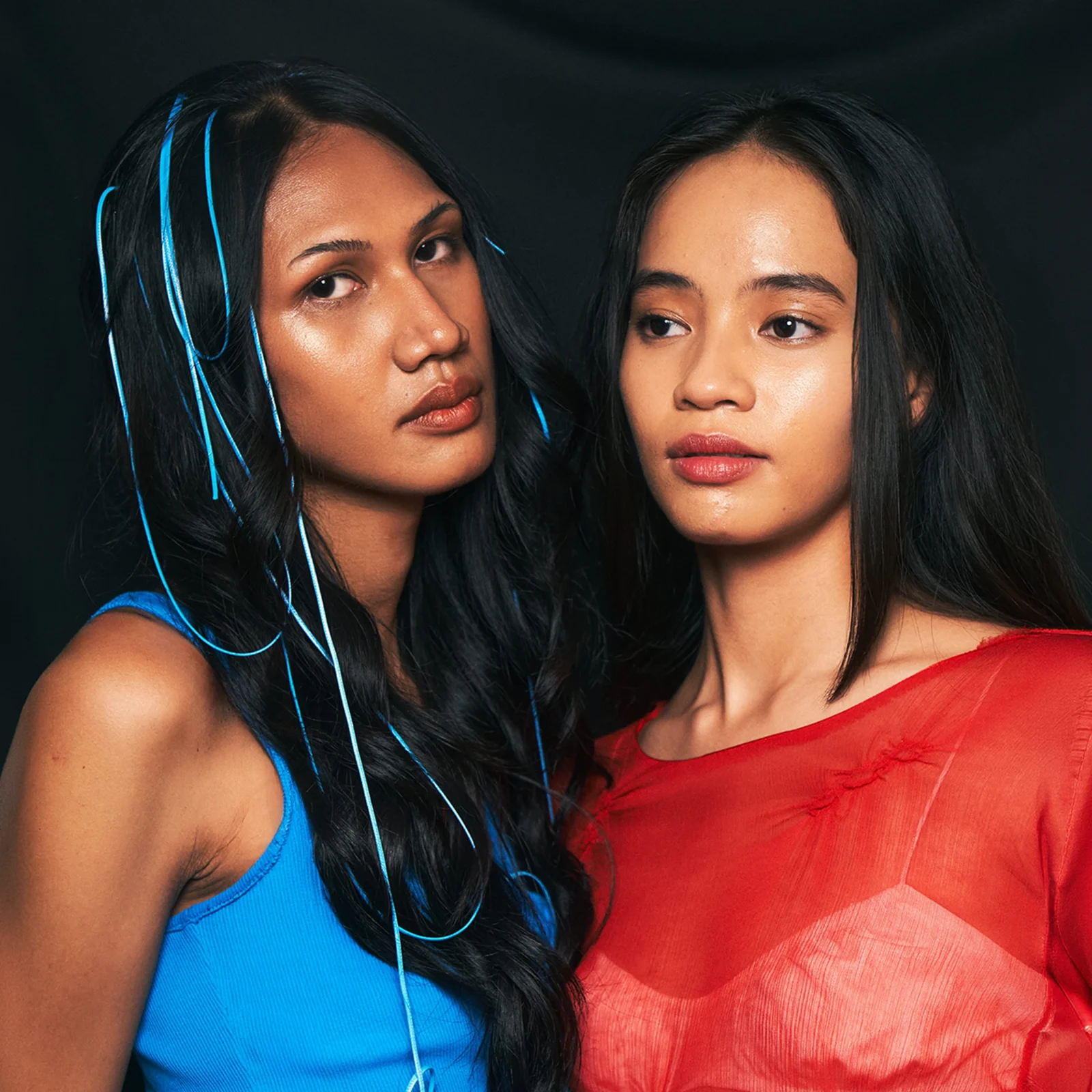
Three distinctly Korean references were reinterpreted by lead makeup artist Gery Penaso, working with MAC Cosmetics, and by hairstylists from Cream Silk: the yeonji geonji, a traditional Korean makeup worn by brides; miindo, traditional Korean paintings of beautiful women; and daenggi, a traditional hair ribbon that adorned long braids.
“As you can see in my work, it’s a reinterpretation of traditional Korean culture. For the makeup, the three red dots are called yeonji geonji, while the hair is called daenggi. These are all part of traditional Korean culture, which aligns with my brand,” Park tells Allure Philippines through his translator.
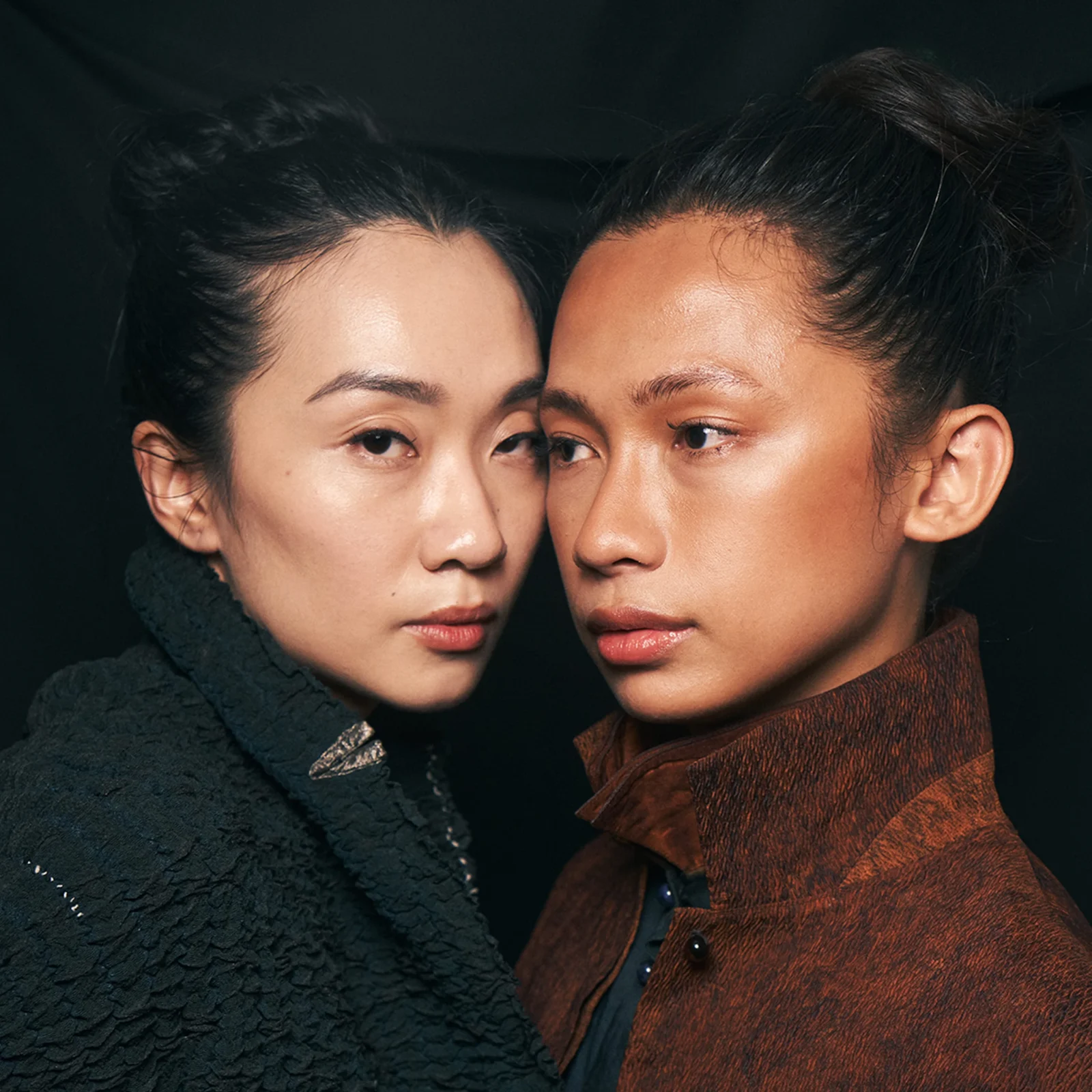
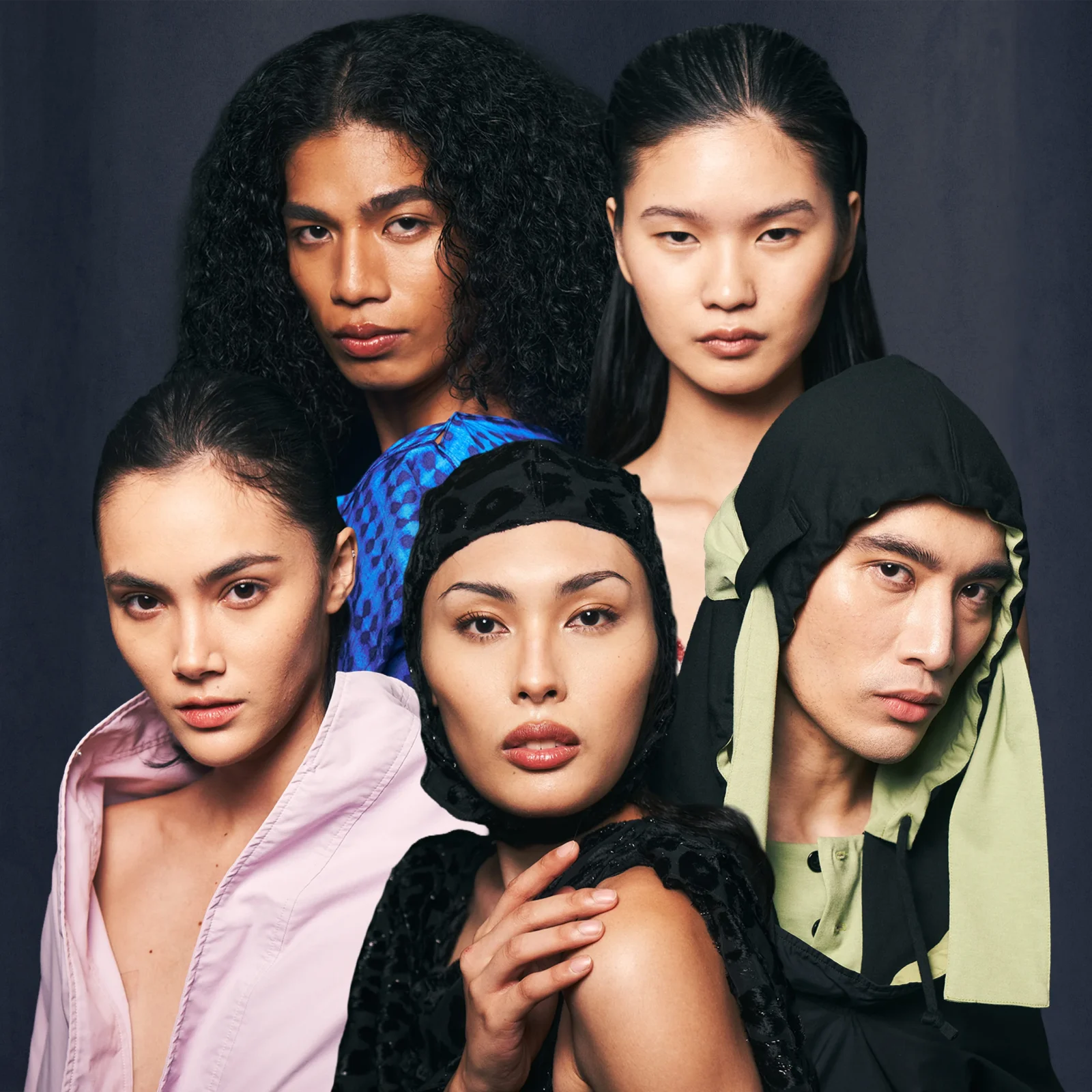
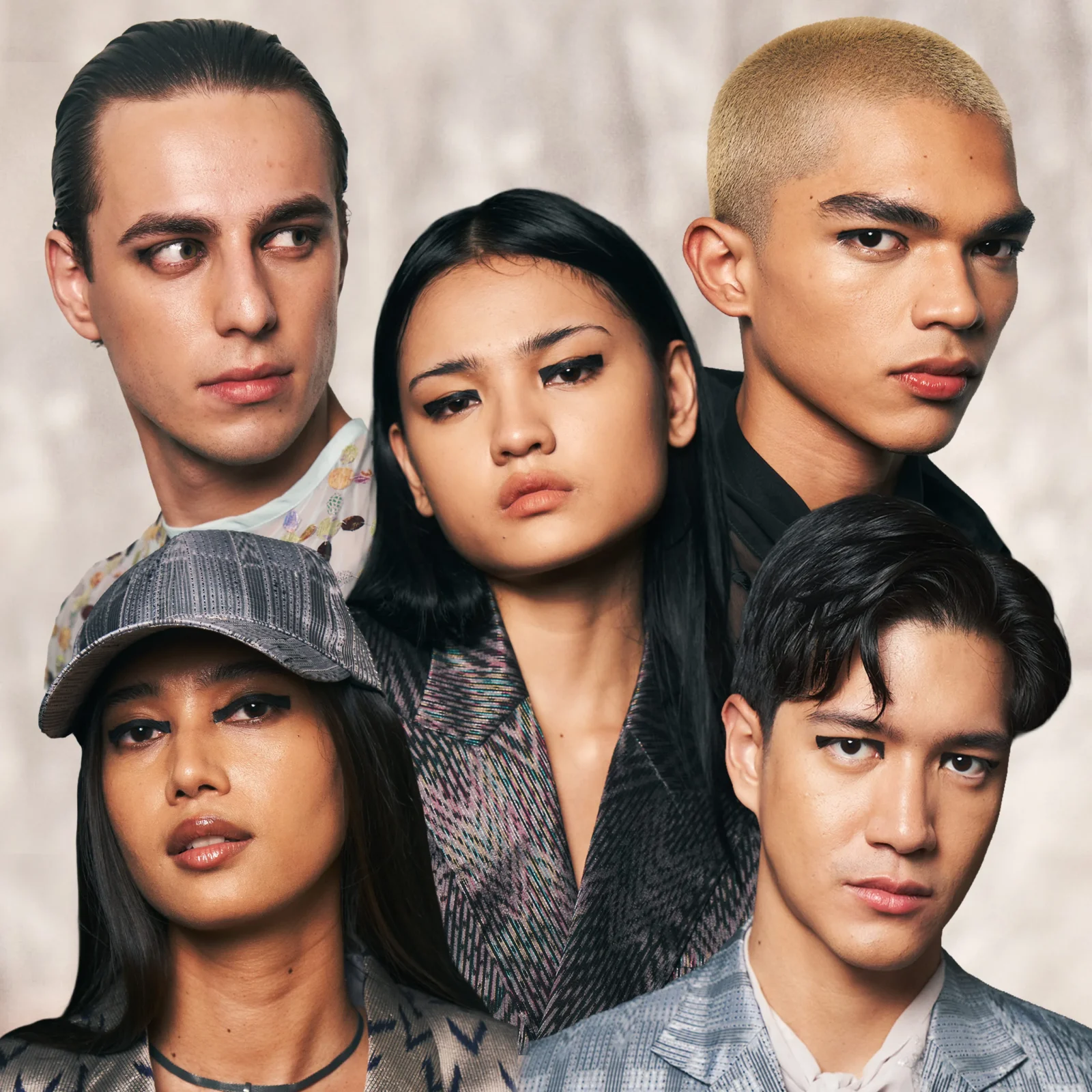
Apart from these, makeup was kept sheer and dewy, with a lived-in feel to it. Hair was kept either natural and tousled, or sleek and slicked-back.
Raw, worn-in beauty
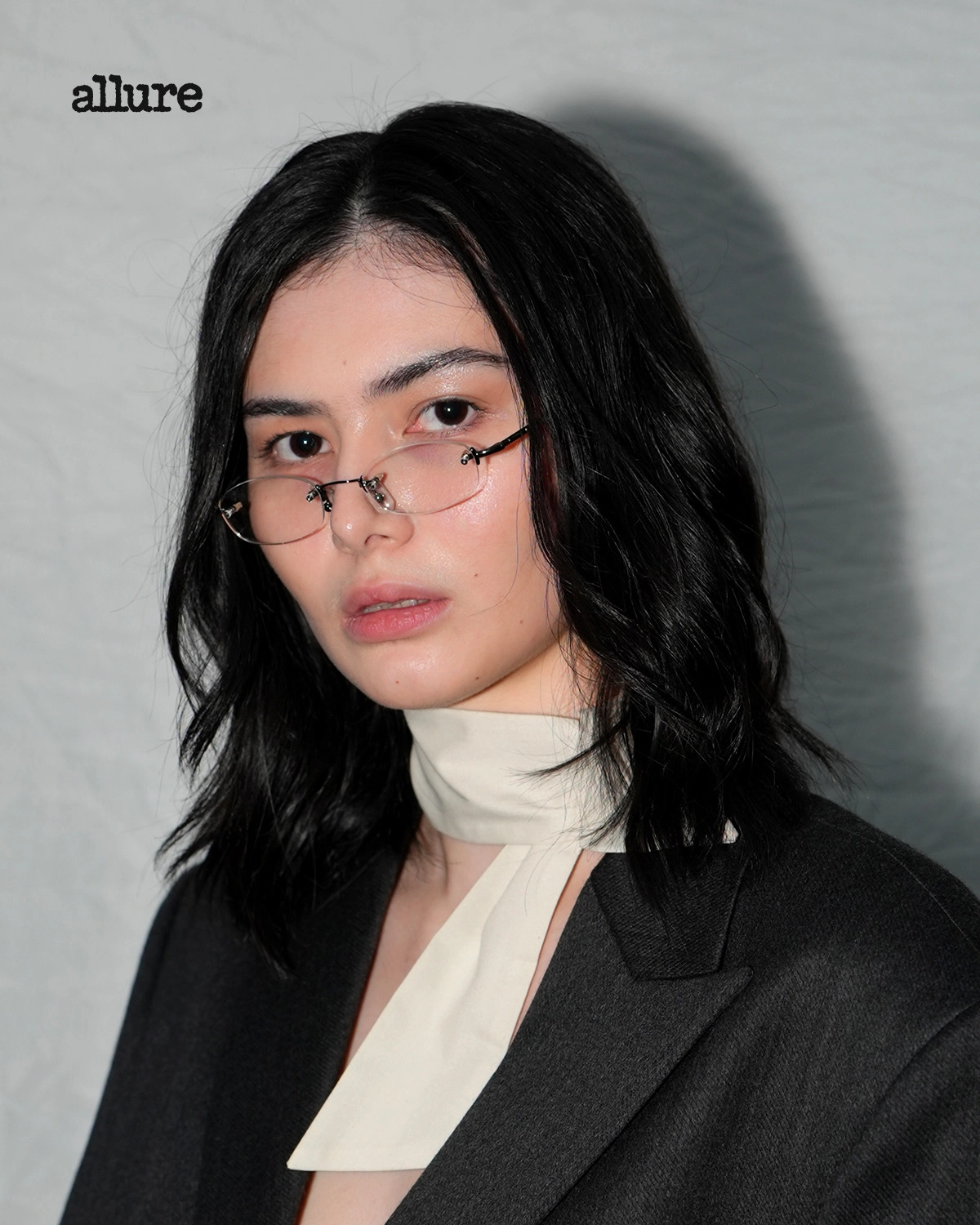
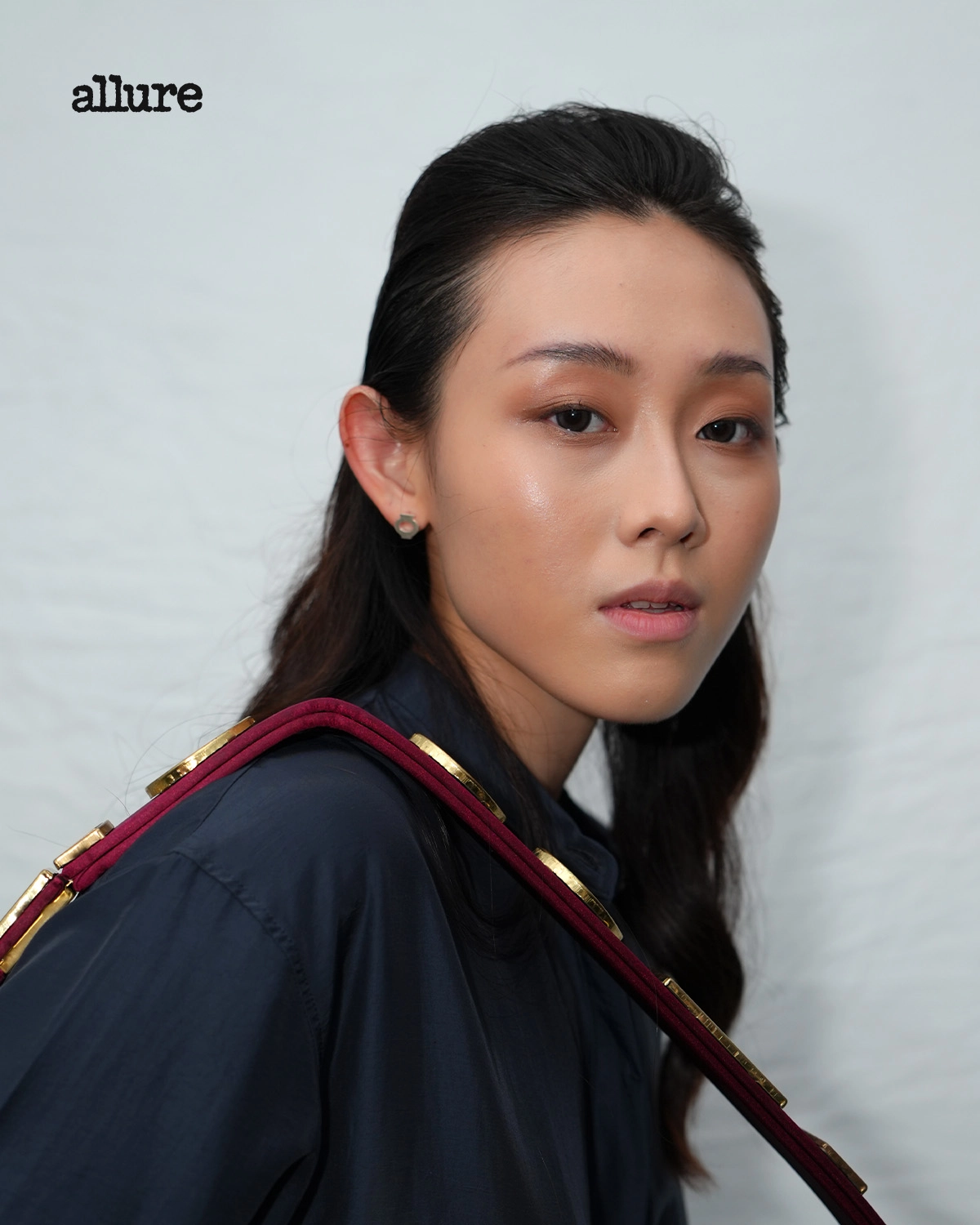
Perfection was never the point in traditional Korean culture—nor was it seen on the runway. Skin was sheer and dewy, with natural brows brushed up to show off their texture, washes of muted eyeshadow, and soft nude blush and lips. Imperfection did the work: shadowy under-eyes with subtle dark circles for a sunken, worn-out look, mascara left a little clumpy, and slicked-back hair with face-framing tendrils falling in front of the face.
Yeonji geonji, reimagined
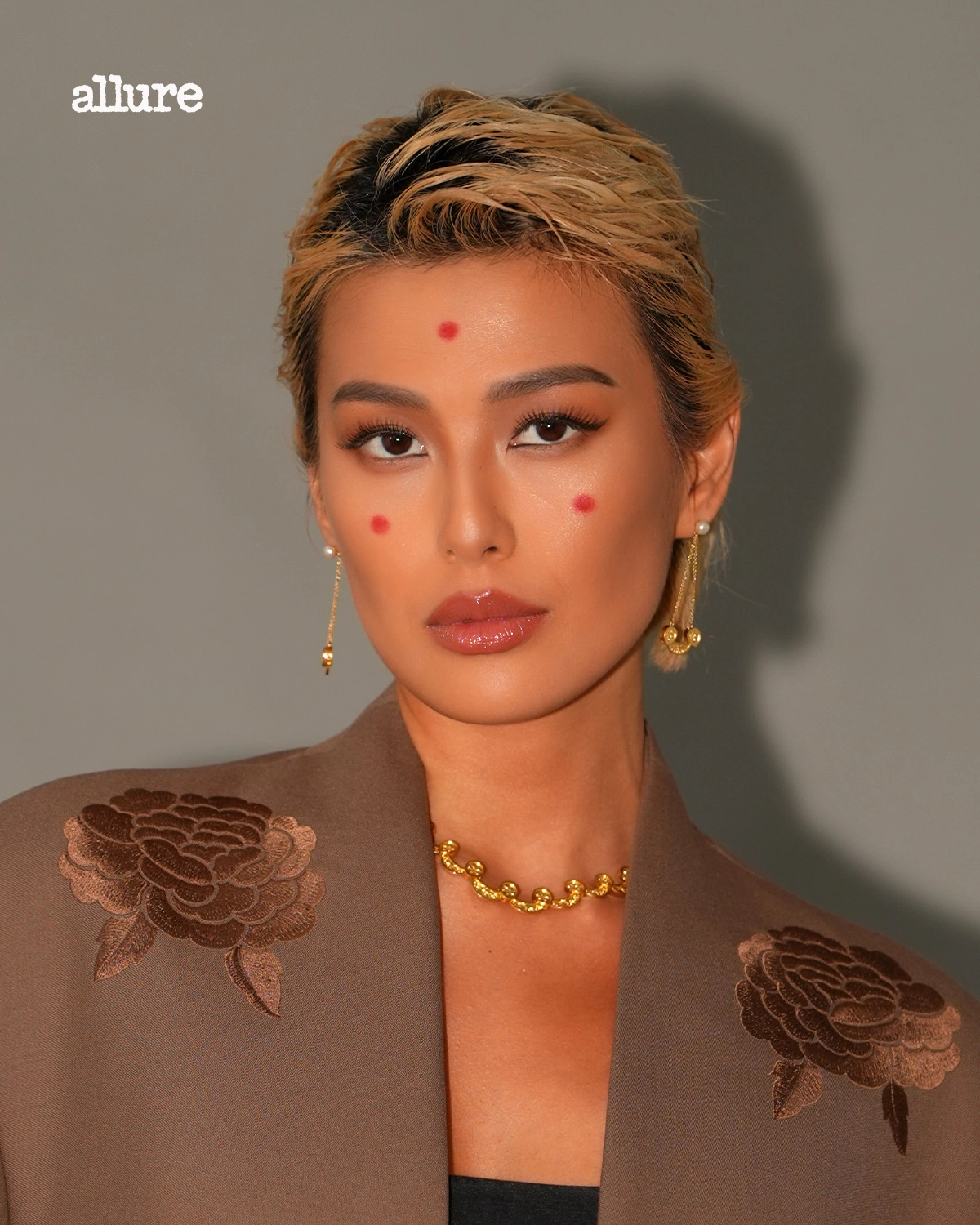
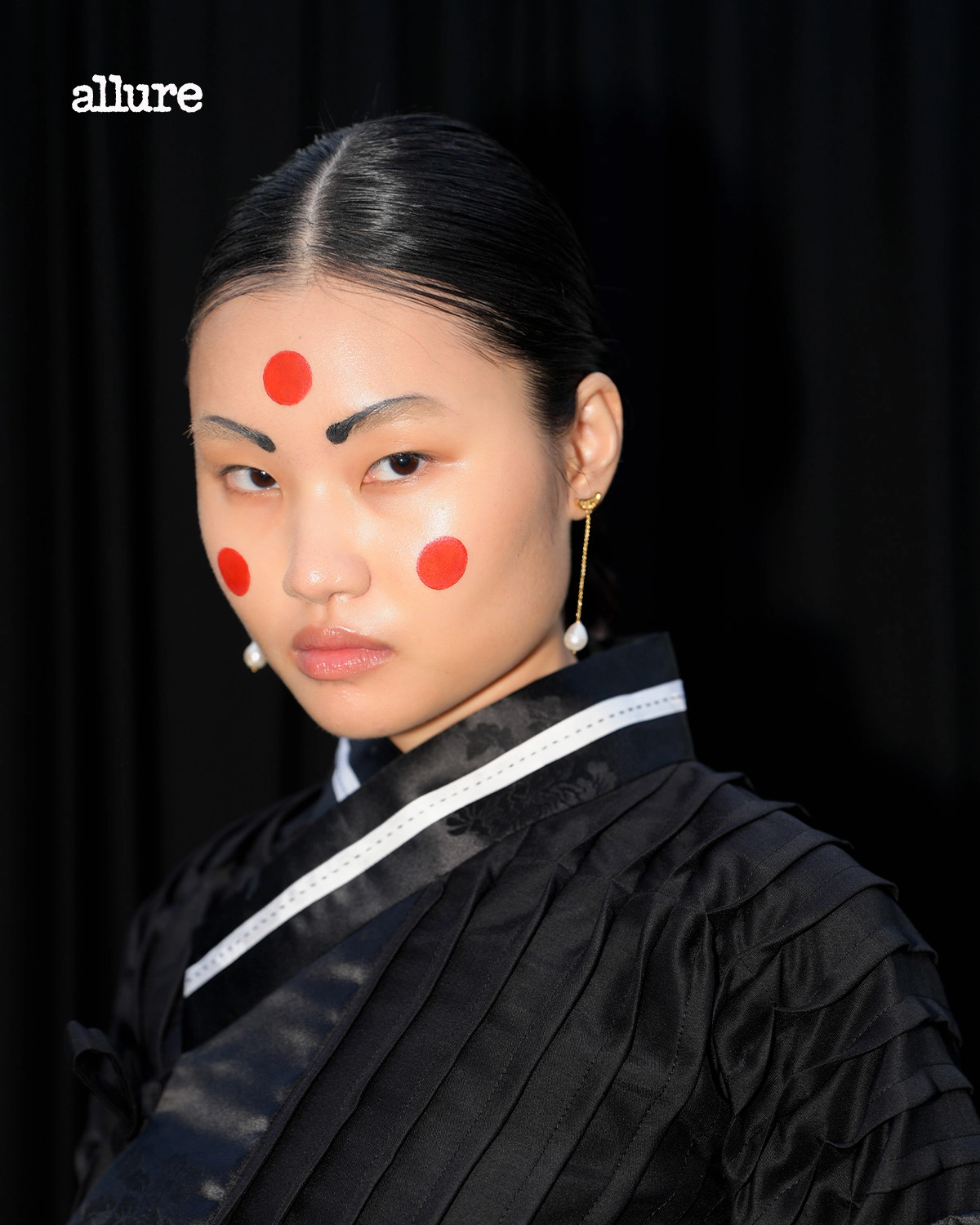
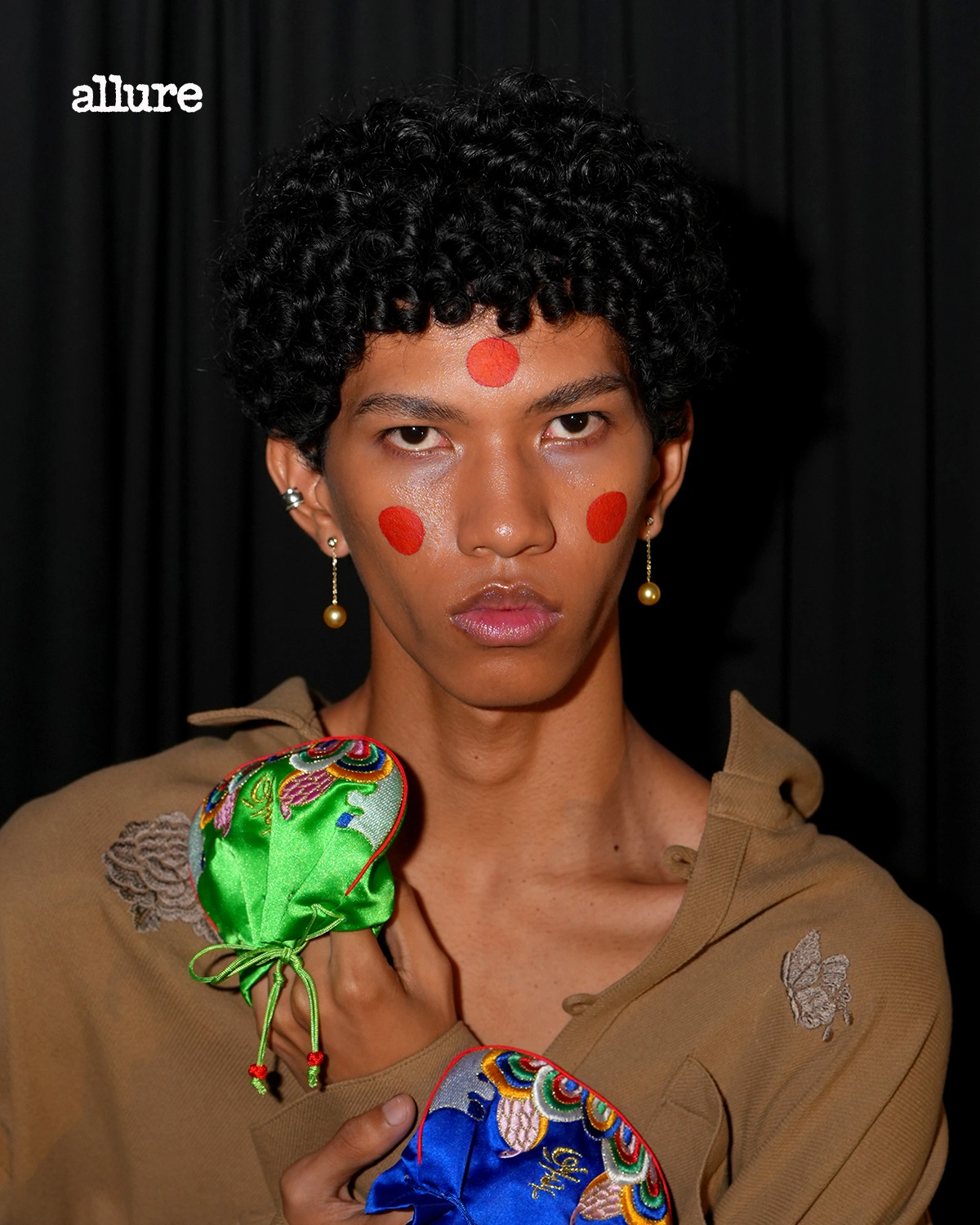
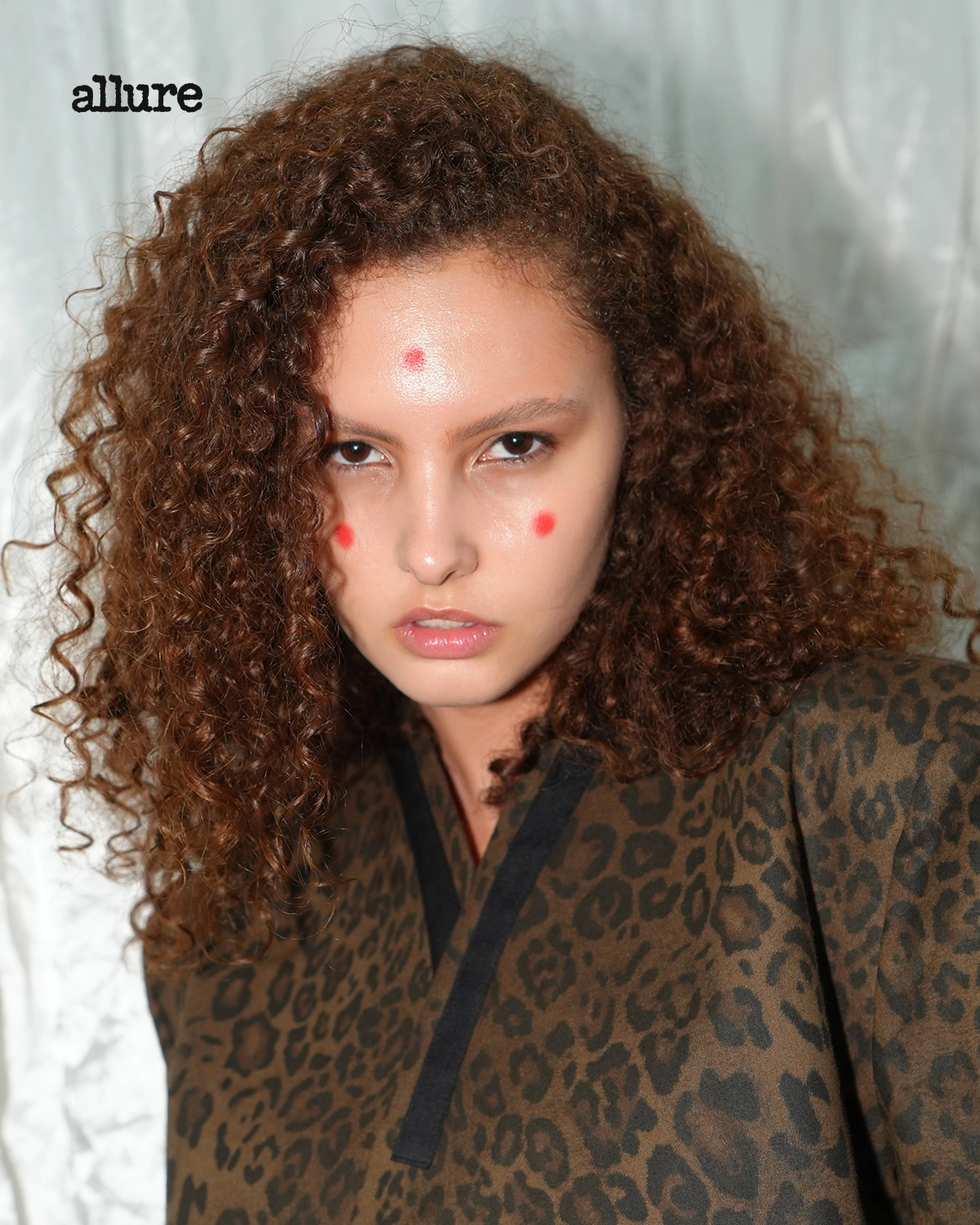
Yeonji geonji, or traditional Korean bridal makeup, is known for the red dots placed on the forehead and on each cheek. Bajuyo showed two modern versions. One was soft with blurred, diffused edges, leaving a minimal and contemporary feel. The other was bold with vivid, bright red in sharp-edged circles, left unblended against dewy skin with visible texture.
Daenggi hair
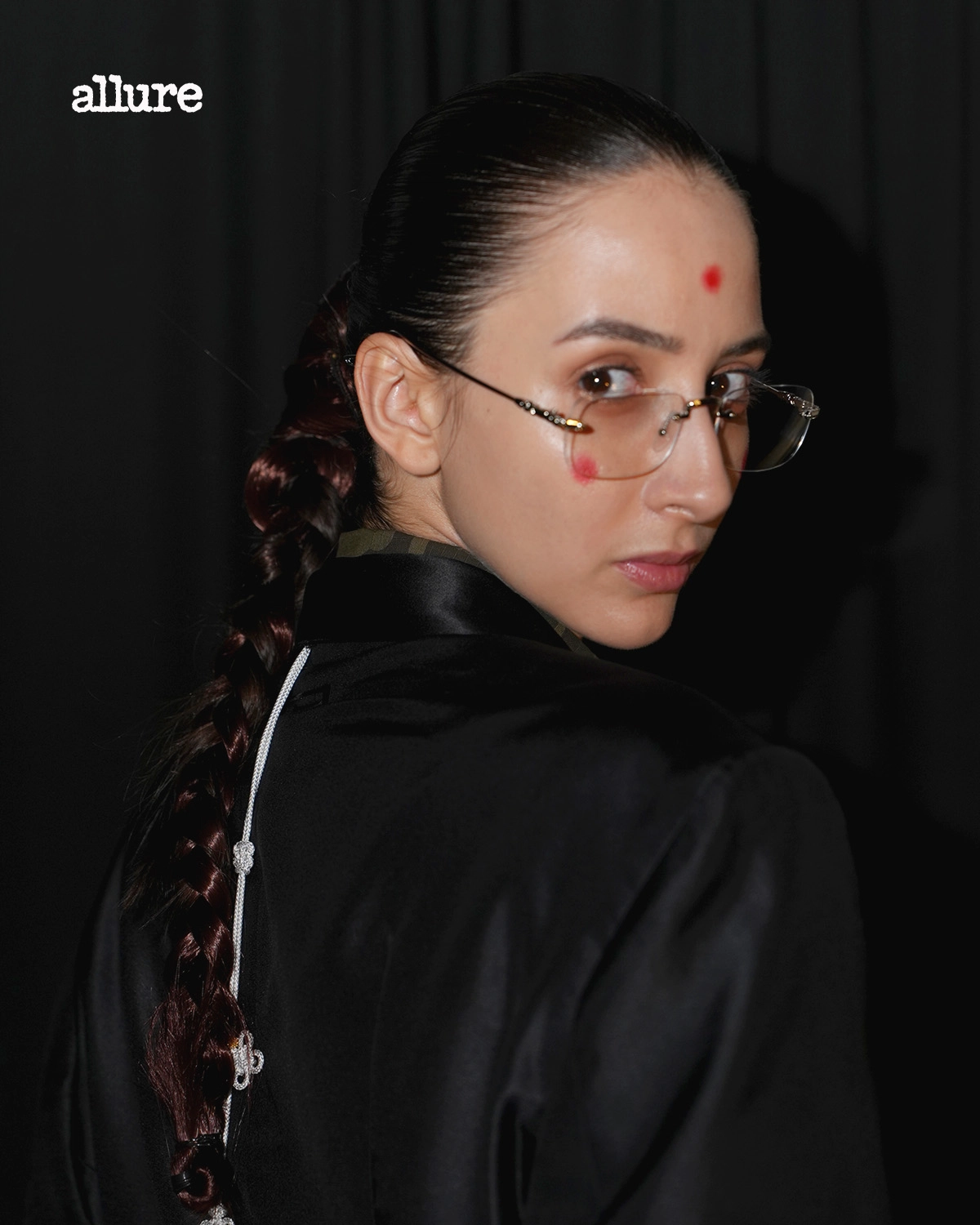
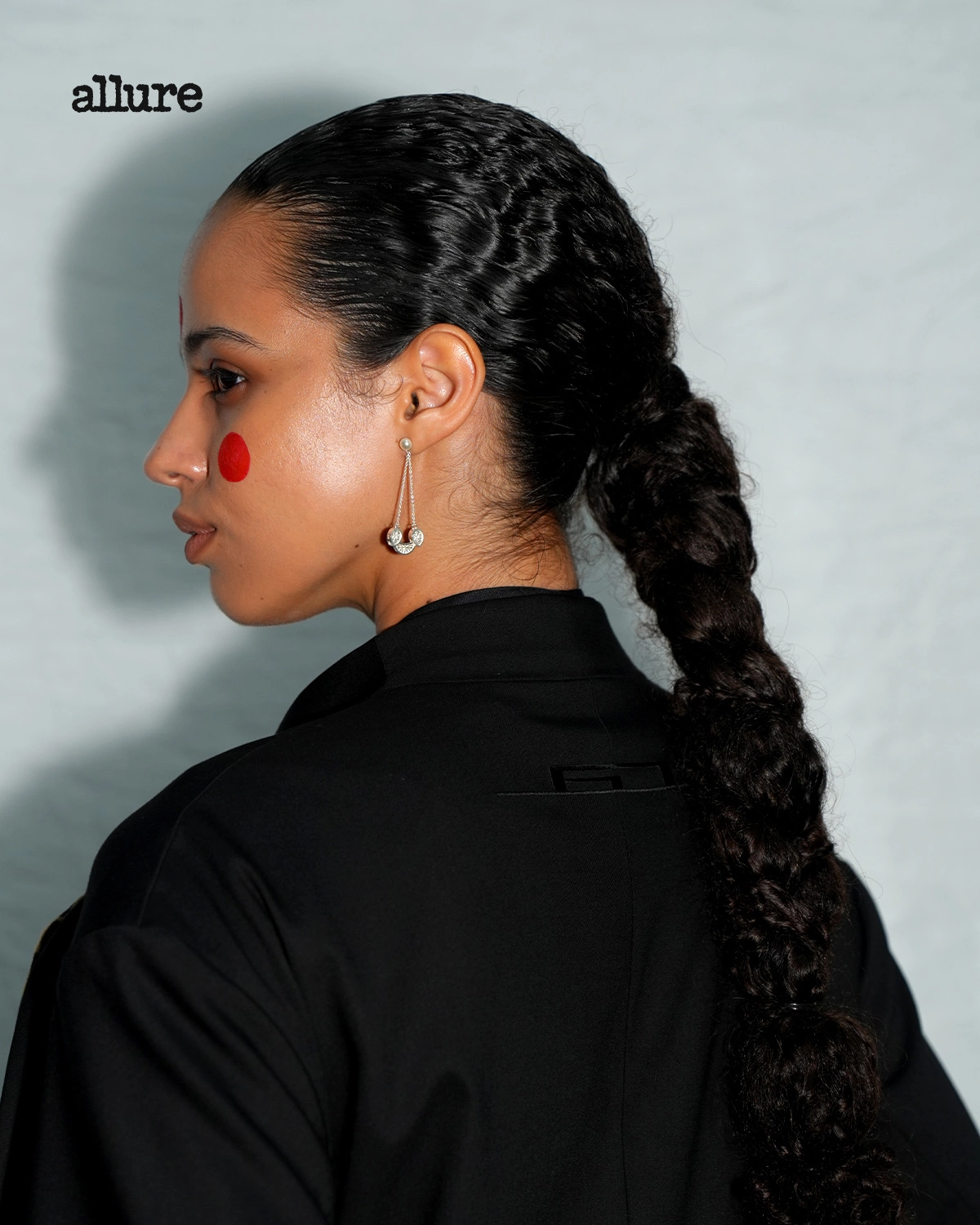
The daenggi, the ribbon traditionally tied at the end of a braid, was worn primarily by unmarried young women and boys in the Joseon era. For this look, Bajuyo formed a daenggi with the models’ hair as it fell behind their backs. With this, the hair looked like the perfect accompaniment to Bajuyo’s norigae-inspired designs.
Miindo-inspired brows and lips
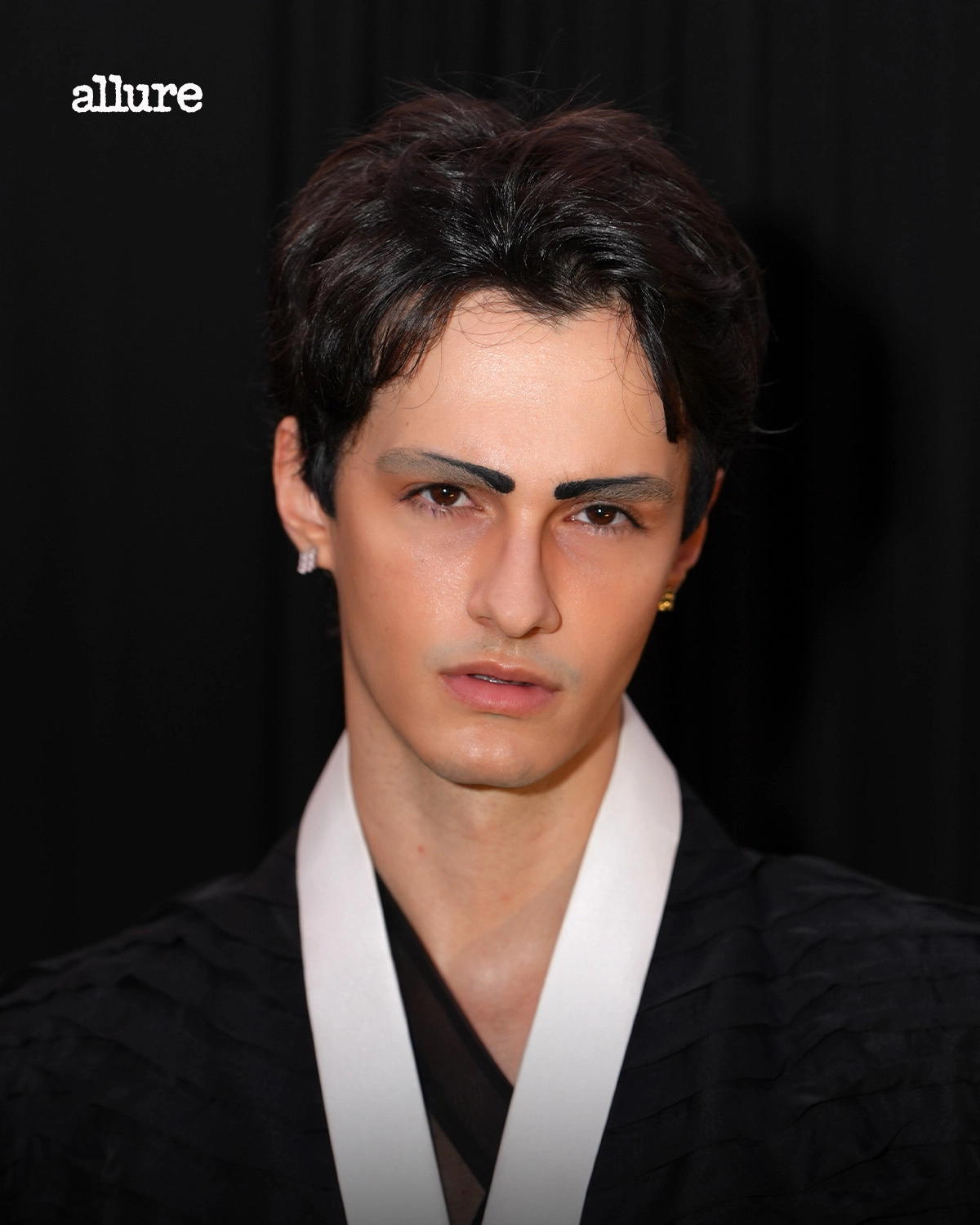
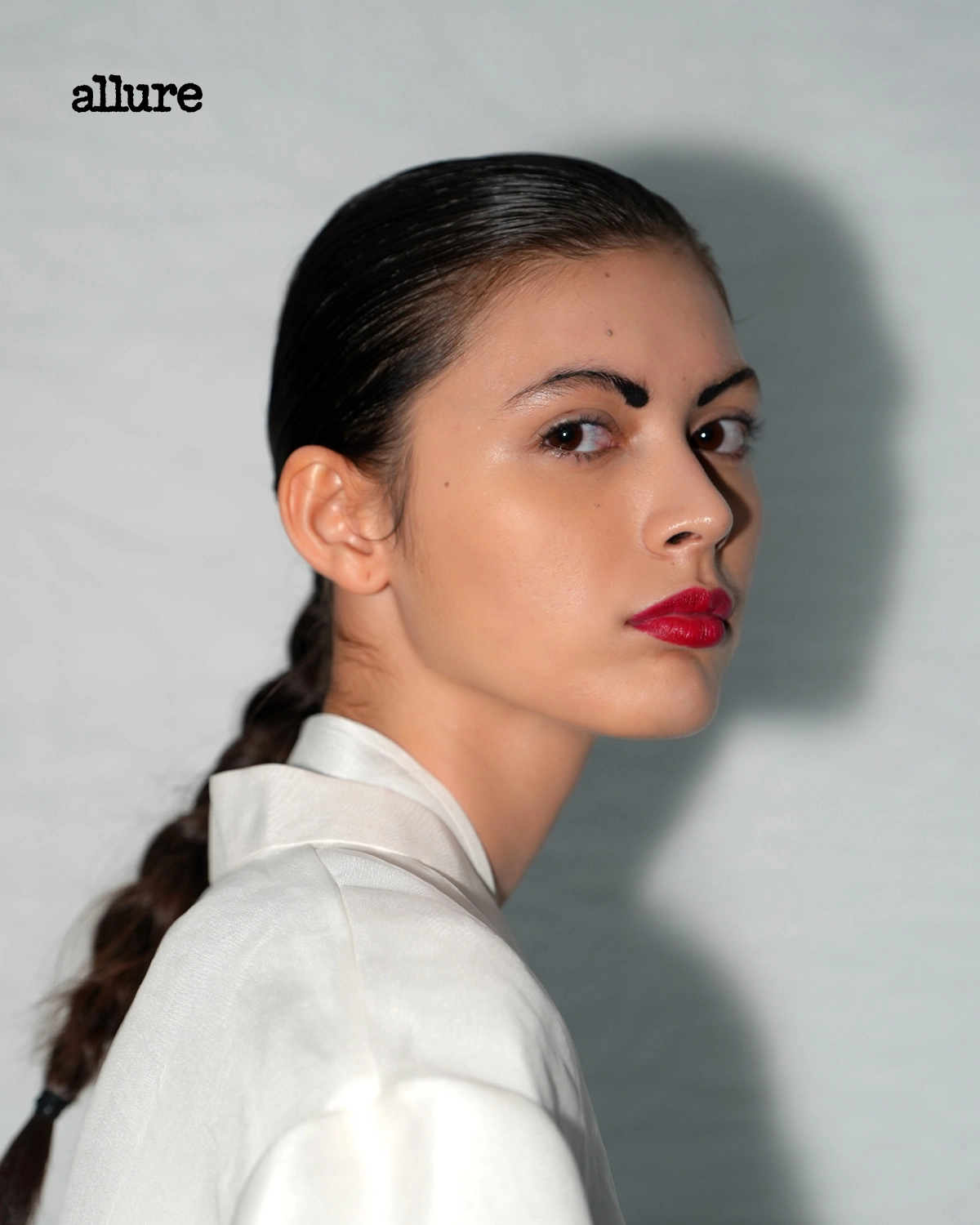
Inspired by miindo, traditional Korean paintings depicting feminine beauty, the look featured thick, full brows with pronounced arches that tapered into fine tails. Meanwhile, the lips were painted in a deep, muted red, adding a rich contrast to the dramatic brows. The overall result was an elegant look rooted in traditional East Asian beauty ideals.
Frequently Asked Questions
Yeonji geonji are three red dots placed on a Korean bride’s forehead and cheeks, believed to ward off evil spirits. Bajuyo’s Fashion Week Asia 2026 show reinterpreted them in soft diffused and bold unblended versions.
Daenggi is a ribbon traditionally tied to the end of a braid, historically worn by unmarried young women and boys during Korea’s Joseon era. Bajuyo’s hairstylists formed daenggi from the models’ own hair.
Miindo are traditional Korean paintings depicting idealized feminine beauty. Bajuyo’s makeup artists drew on miindo to create thick, full brows with pronounced, tapered arches, paired with deep, muted red lips.
Traditional Korean beauty historically valued natural, lived-in features over airbrushed polish. Bajuyo’s makeup team echoed this with sheer dewy skin, deliberately clumpy mascara, visible under-eye shadows, and loosely slicked-back hair.
South Korean designer Darni Park led Bajuyo’s Tie Time: Korea collection at Fashion Week Asia 2026. It highlighted the goreum, or hanbok ribbons, handcrafted with artisans to modernize traditional Korean dress.