

How many perfume sprays are too many? It’s a genuine question most of us have—because somewhere in between the phrases “You smell nice” and “Wow, amoy alta,” there’s a line that still has most of us guessing.
In Japanese culture, there’s a thing called sumehara—or smell harassment—and it’s a huge enough deal that perfume brands reformulated their products around it. The philosophy behind it: one’s scent should never be someone else’s problem.
Here in the Philippines, we embrace strong scents. We love using perfume as part of our daily routines—spritzing a bit before we leave home, another when we arrive at the function, and probably some more when we feel like it.
Rapper Flow G even name-checks the two-spray routine as part of the whole vibe in his verse on “Since Day One” with Skusta Clee—perfume isn’t an afterthought here, it’s part of showing up.
Well, that is until you’re inside a jeepney at rush hour, or stuck in the office with the air conditioning recirculating every scent there is—including yours.
What’s the Philippine fragrance culture all about?
Envato Images
In a previous Allure Philippines article, Jackie Avecilla, Rustan’s Head of Marketing, observed a big shift in the fragrance industry, with Gen Z Filipinos now leaning towards it as a status symbol.
“Fragrance [has become so] big. It’s really [been] booming in the last couple of years,” Avecilla shares. “We see a lot of ‘frag heads,’ as they’re called.”
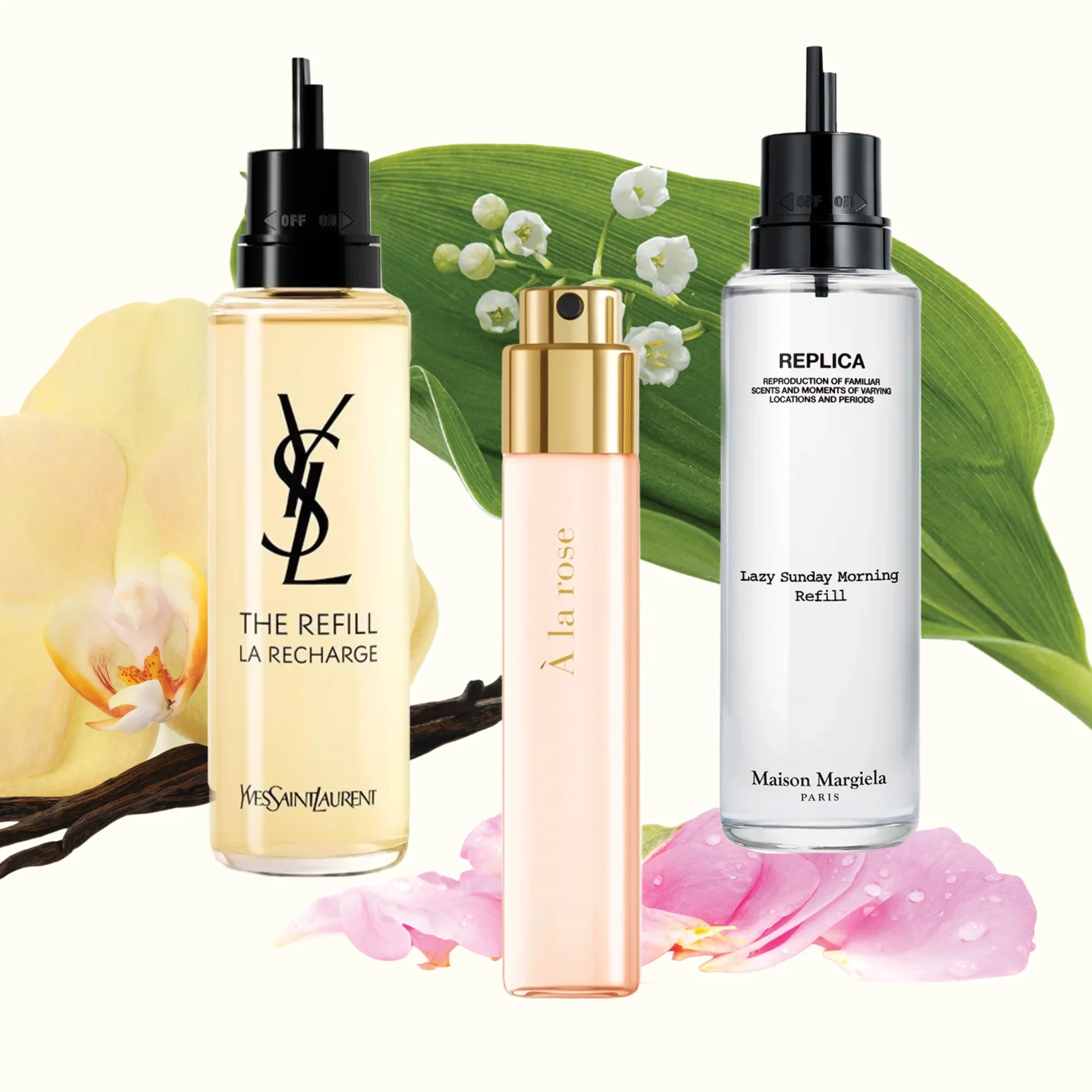
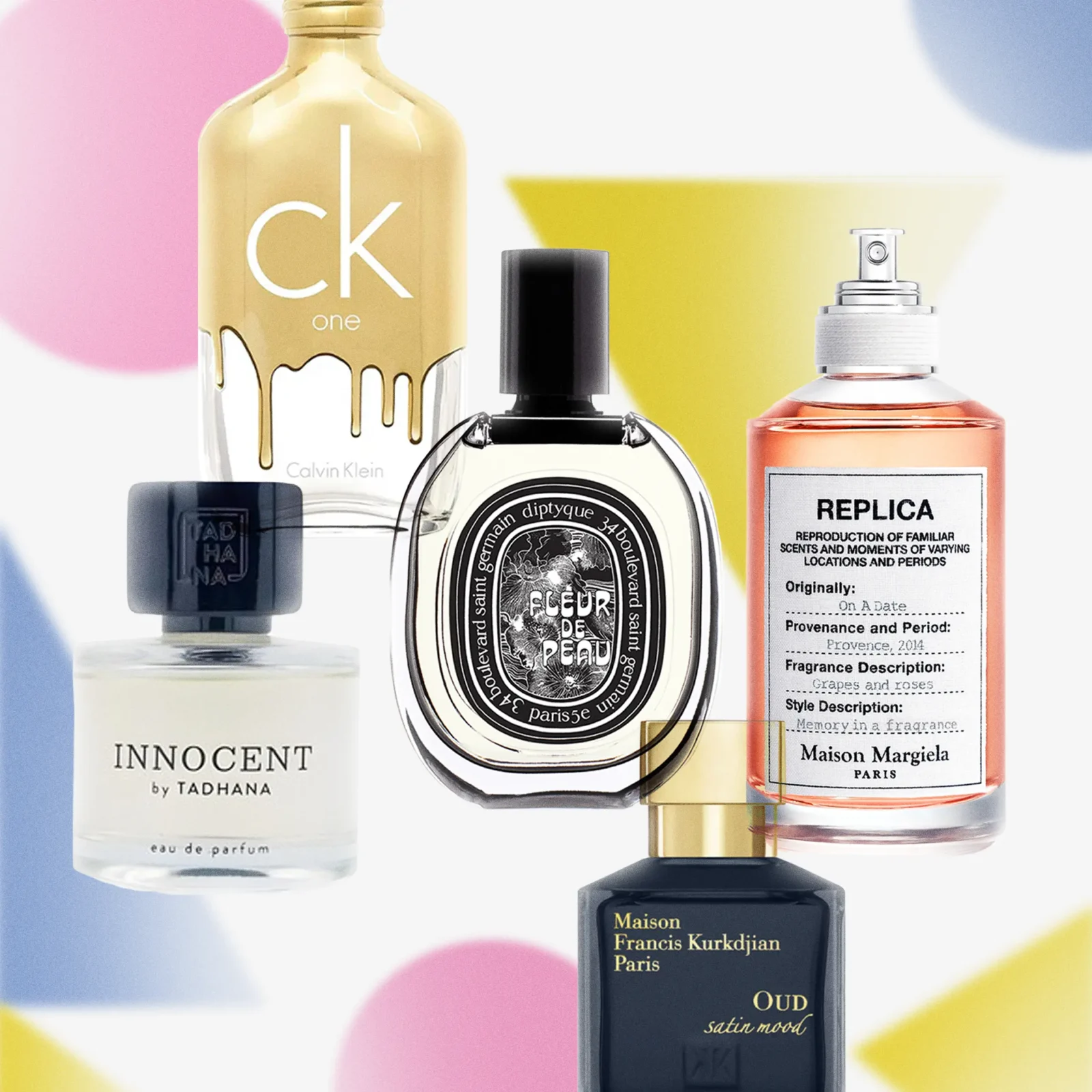
It isn’t just about how much we spray, either—it’s also about range. There’s the growing popularity of what we call a fragrance wardrobe, where people have multiple perfumes laid out on their vanity—and as with clothes, they can choose which scent they can go with for their day out.
Georgina Wilson, co-founder and Brand Director of Sunnies Inc., shares in an exclusive interview with Allure Philippines during the brand’s Sunniesthesia event that she prefers having a range of scents in her fragrance wardrobe, instead of just one. “Parang ang boring ng signature scent,” she says.
“You have a different mood and feeling every day,” adds Sunnies Inc. co-founder and Creative Director Martine Cajucom-Ho. “You want to do your hair differently, your makeup, your outfit. So definitely, match your scent to your vibe of the day.”
In a previous article, Allure Philippines shared that the reason we’re so big on scent nowadays is that it’s an investment in self-identity. “It’s intimate, invisible, and yet deeply expressive, arguably more so than a designer bag or a trending lipstick.”
Compare that to Japan, where they lean towards “less is more, ideally none at all,” because of sumehara. We’re quite the opposite: fragrance as identity, as range, as something worth investing in and showing off. This is exactly why the practice of “beast mode sa pabango” needs its own etiquette—because, unlike in Japan, we’re never going to spray less.
How many sprays is too many?
Because we love our scents, sometimes we don’t realize when we’ve gone overboard. This also raises the question: when is it ever too much?
According to a previous Allure US article, “A good rule is just one or two drops of perfume, up to three sprays of eau de parfum, up to four of eau de toilette, and no more than six of cologne.”
Sunnies Inc. executives also echoed this, with Cajucom-Ho saying, “Just a respectful two spritzes, three in the right places, that’s all you need.”
However, Eric Dee Jr., President and CEO of Sunnies Inc., says the opposite. “I don’t think so. I don’t think there are any rules in being ‘over’.”
“I think it’s more about perfume etiquette than anything. I mean, people can wear the fragrances the way they want to,” says Renato Lopena Jr., founder of fragrance brand Wren Atelier, in an interview with Allure Philippines.
Where you spray matters more than how much
Envato Images
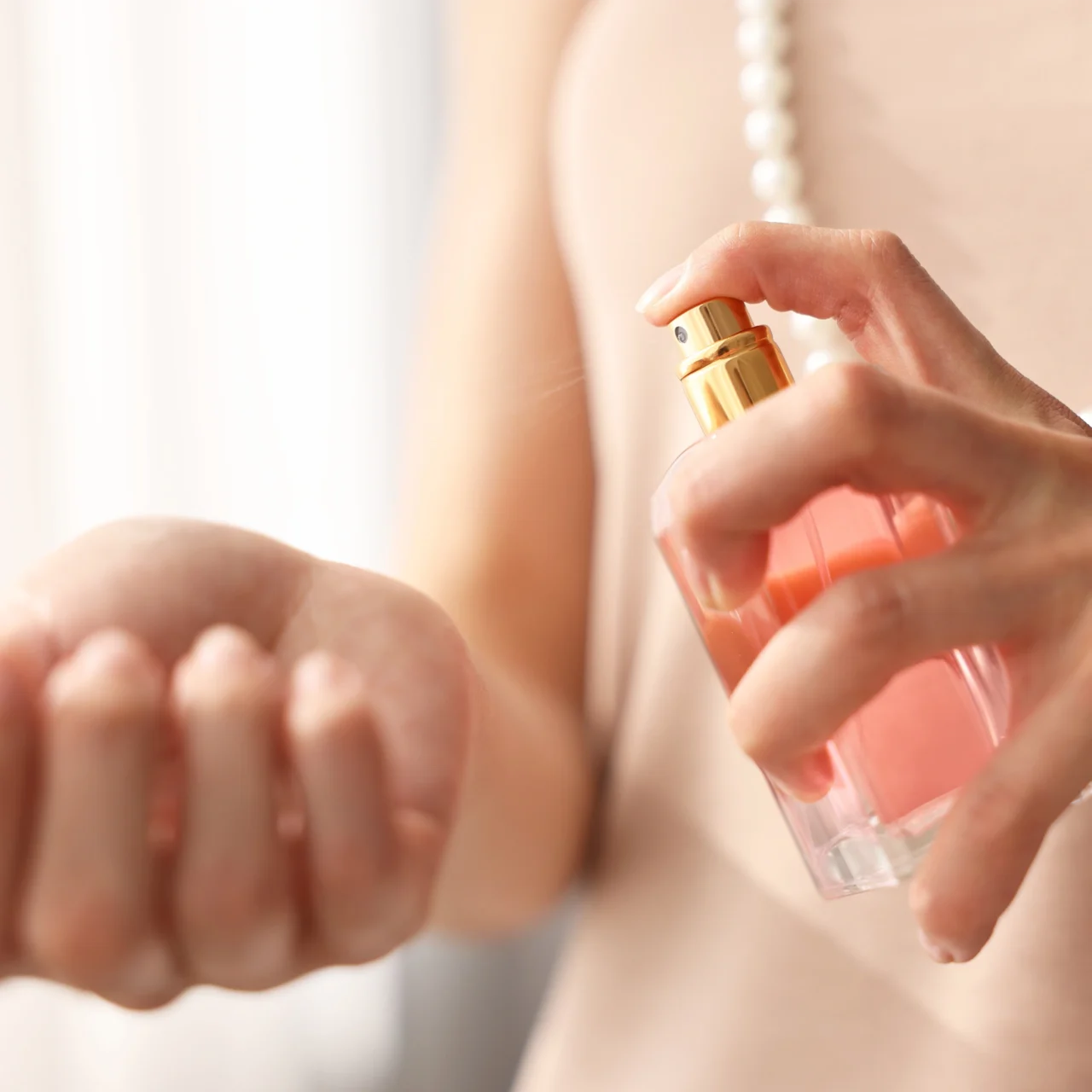
If there’s no consensus on how much, there’s at least some agreement as to where it should be sprayed on. Lopena Jr. said previously that while there are no rules in applying perfume, the standard is to apply it on the pulse points.
In another previous article, Oscar Mejia III, founder of Oscar Mejia Artisan Fragrances, says that the pulse points are the wrists, neck, and behind the ears—areas where blood vessels are closest to the skin’s surface.
If another concern is the fragrance’s longevity, both Lopena Jr. and Mejia agree that perfume should be sprayed on clothes. “Textiles retain fragrances longer,” Mejia says.
Should the scent announce you, or do you announce the scent?
Maybe the real distinction is not how much you spray, but who gets to notice it. Pulse points work because they require some kind of proximity: someone has to be in the same room as you, or hug you, or even sit close to you for the scent to reach them. There’s a certain beauty in letting the scent be discovered.
“I want it to be in my personal space, so when you come near me, then you can smell it,” says Sunnies Inc. founder and Head of Product Innovation Bea Soriano-Dee. “I don’t want to go in a room and take over everyone’s personal space.”
What scents suit which settings
Heat and humidity can partly change how fragrance behaves on the skin. Warmer skin and higher humidity can speed up evaporation, which is why a scent changes from being “just right” in an air-conditioned room to “overpowering” once outside.
This is where concentration comes in. The deciding factor isn’t day versus night; it’s cool or hot air. Eau de toilettes contain about 5 to 15% fragrance oils, making them ideal for daily wear in warmer climates, according to Lopena Jr. and Mejia. Meanwhile, Mejia adds that eau de parfums “are more suited for cooler environments, as the fragrance releases gently over time.”
Philippine fragrance etiquette: Read the room before you spray
Maybe we don’t need our own version of Japan’s sumehara after all. It’s simpler than that: check the room you’re going into before you choose the bottle.
Whether you’re entering an air-conditioned room, commuting, or heading to a quiet event, that’s the most important information to have before going all “beast mode sa pabango.” Once you have it, you’re not just choosing between smelling good and being considerate—you’re choosing which bottle of perfume belongs in that room.
Frequently Asked Questions
There’s no single rule—a general guide is up to three sprays of eau de parfum, four of eau de toilette, or six of cologne. Sunnies Inc. executives differ too: some favor two respectful spritzes, others say there’s no such thing as “too much.”
Pulse points—wrists, neck, and behind the ears—work best because blood vessels sit close to the skin’s surface, gently warming the scent. For extra longevity, fragrance experts recommend spraying perfume onto clothing, since textiles retain scent longer than skin.
Eau de toilette contains about 5–15% fragrance oils, making it lighter and better suited to the Philippines’ heat and humidity. Eau de parfum is more concentrated and performs best in cooler, air-conditioned settings, where its scent releases more gradually over time.
Not really—Philippine fragrance culture leans toward embracing strong, expressive scents rather than minimizing them, unlike Japan’s sumehara philosophy of restraint. Local etiquette instead centers on context: reading the room, choosing where to spray, and matching concentration to the setting.
Fragrance has become a status symbol among Filipino Gen Z, part of a fast-growing “frag head” culture, per industry insiders. Many now build fragrance wardrobes—multiple scents chosen to match mood, outfit, or occasion—treating perfume as a form of self-identity.