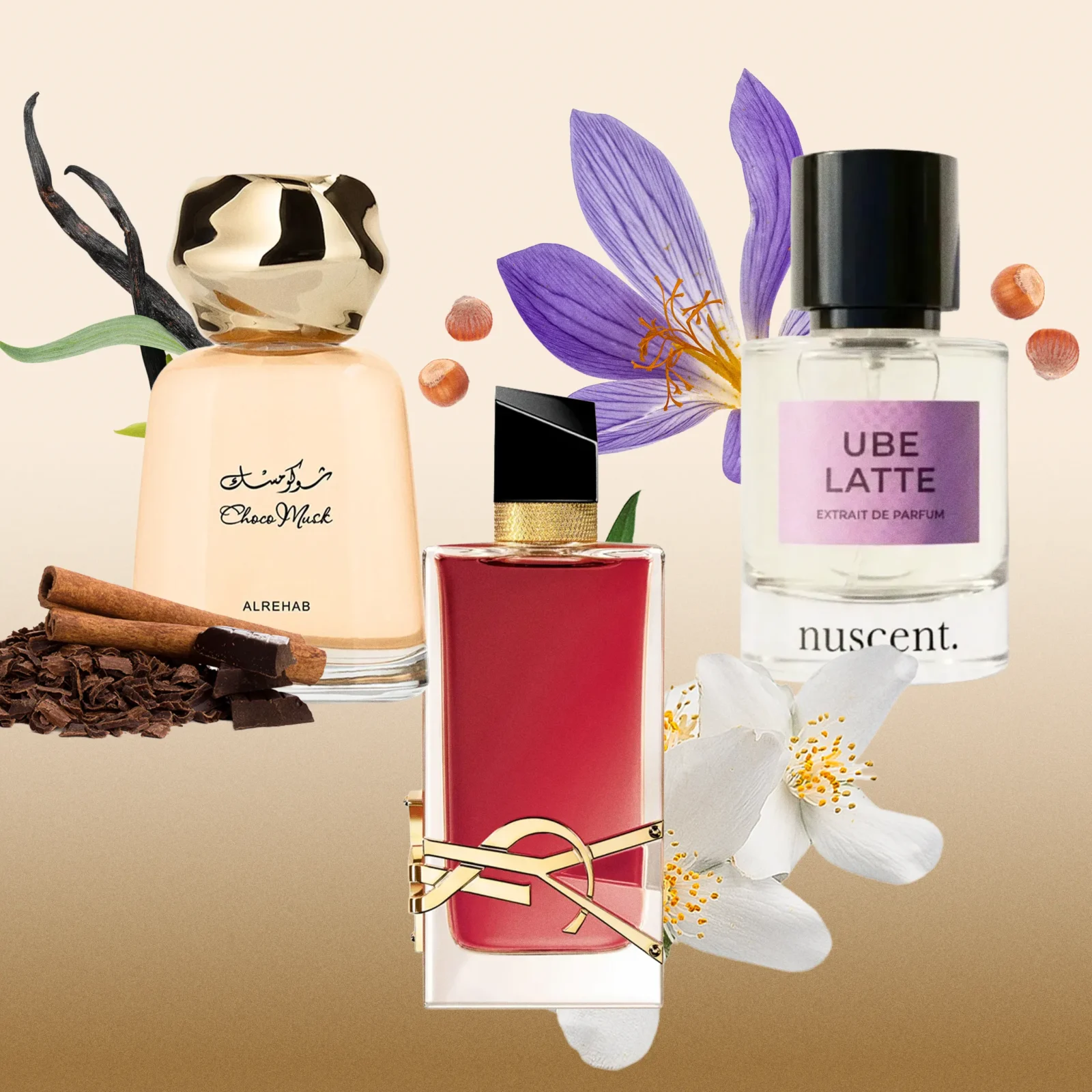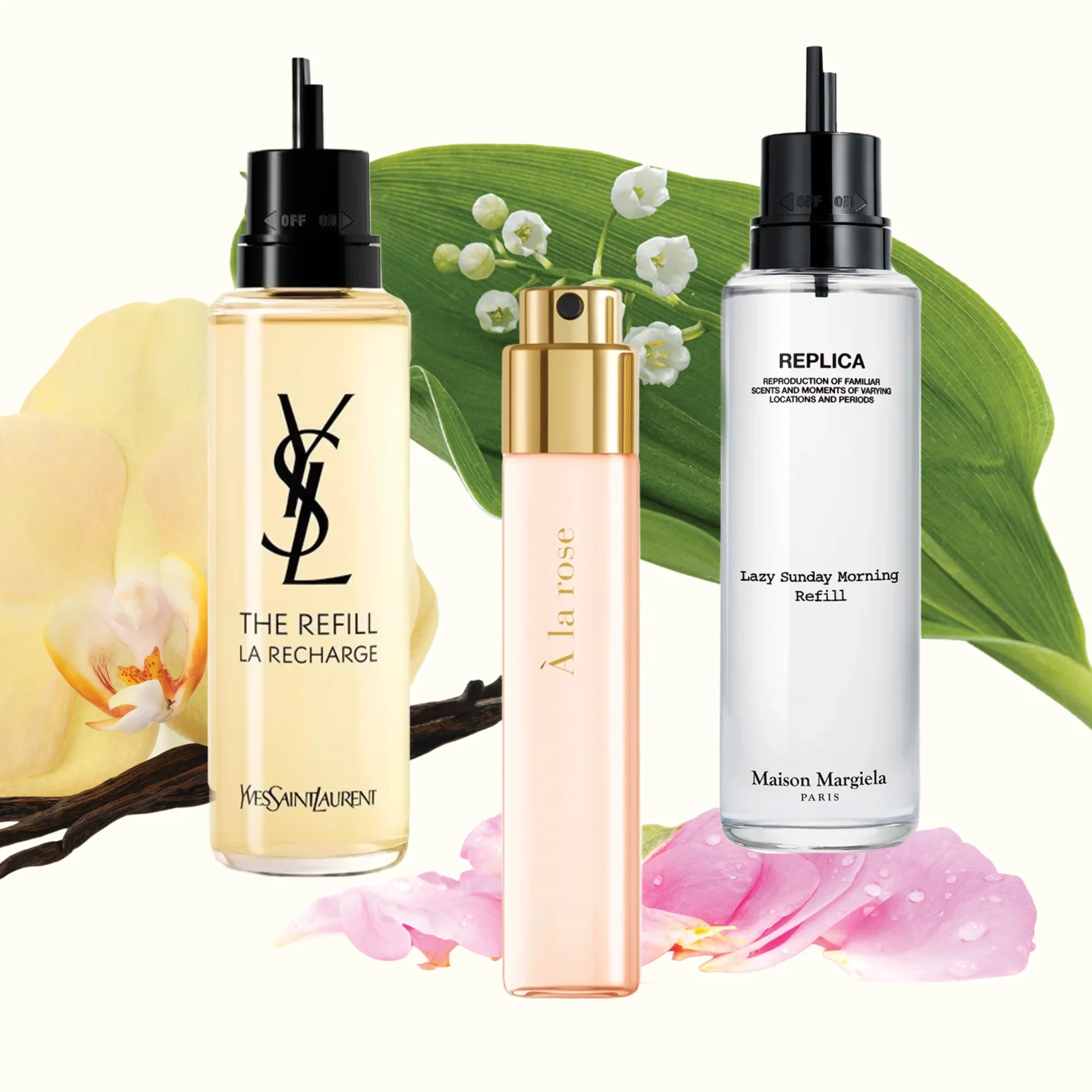



If it’s always been your dream to have a bottle of Coco Mademoiselle or Baccarat Rouge 540 on your vanity, the flags we’re waving here aren’t red. There’s a reason that luxury perfumes, which often come at a premium, are well-loved. But since we’re all about helping you make informed beauty decisions, here’s the truth: Top-notch scent performance isn’t limited to expensive labels.
Attesting to this is Renato Lopena Jr., the founder of fragrance brand Wren Atelier (their Manila Oud was previously noted by Allure Philippines for “reimagining oud for for the Filipino climate”). “The price of the perfume doesn’t matter [when it comes to] whether it’s going to last long or not,” explains the perfumer, who trained at the Grasse Institute of Perfumery in France.
That’s because longevity, a marker of fragrance performance, “depends on several cases,” says Lopena Jr. “One is the lifestyle of the person,” he continues. “How they take care of their skin is also a factor. And composition—some fragrances are meant to really last, and some are not designed to last long.”
It makes one wonder: What other fragrance myths that we’ve long accepted as fact actually aren’t true? Hear it straight from the expert in this Allure Philippines exclusive.

Renato Lopena Jr / IG: @thefilipinonose
What’s the first thing you’d like to correct about how we usually apply perfume?
Rubbing your wrist when [applying] perfume is not good. It’s not advisable, because it destroys the top notes of your fragrance. I [also] do not encourage spraying [perfume] in the air, and then “catching” the smell, because it doesn’t work.
While there’s no rule on how to spray perfume on the body, the standard is to spray on the pulse points. The pulse points are where heat comes out of the body, so when you spray perfume on these points, your body heat makes the alcohol evaporate and you’re able to smell the fragrance as quickly as possible.
A lot of fragrance brands really make an experience out of shopping for scents. What for you is the best way to try on a perfume?
Test the perfume on paper first, because if you spray it immediately on your skin and you don’t really like it, it’s not going to be something you’ll want to wear the whole day.
So smell it first on the paper and if you think that it’s something that you’ll like and you want to explore more, that’s the time you spray it on your skin.
Does smelling coffee beans help when you want to smell or try several fragrances?
This is another myth I would like to debunk. You shouldn’t smell coffee beans after smelling [perfumes], because coffee beans have an aroma and they can just aggravate your nose even more. Instead of your nose relaxing, it will just make it worse.
The best way to reset your nose is to step out and get some fresh air [or] to smell an unscented part of your skin or fabric.
How can you make your perfume last the whole day?
If you want to make your perfume last all day, you should spray it on fabric. Another fragrance myth I want people to be aware of is using the term “oil-based” to refer to alcoholic perfumery. It’s not oil-based, because it already has alcohol and water. We think that because it [has] oil, it’s stronger or it will last long. But the term [itself] is wrong.
Can women expand their perfume choices to the men’s section, and vice versa?
I guess we have been in a patriarchal society for so long that [we think] men’s fragrances [are something] only men can wear, and then women’s fragrances [are something] only women can wear. But no, men can wear florals, too, and women can wear woody fragrances.
What’s your take on fragrance layering to create a custom scent?
A lot of people are into layering, because they want to have different facets of fragrances or they want combinations that make [their scent] unique. But for me, layering isn’t really something you should do… because it can cover notes, especially if you’re layering two fragrances that are not really meant to be layered.
But if layering is your thing, go ahead. It’s not really going to destroy the fragrance.
You can wear any fragrance that you like as long as you’re happy wearing it.
Frequently Asked Questions
No. According to Filipino perfumer Renato Lopena Jr., trained at the Grasse Institute of Perfumery in France, longevity depends on skin care habits, lifestyle, and fragrance composition — not price. Some fragrances are formulated to last; others are intentionally designed to be lighter and shorter-lived regardless of cost.
Spray perfume directly onto pulse points — the wrists, neck, and inner elbows — where body heat accelerates alcohol evaporation and releases the scent. Avoid rubbing the wrists together after application, as this breaks down the fragrance’s top notes. Spraying on fabric also extends wear significantly.
No — this is a widely repeated myth. Coffee beans carry their own aroma, which can further overwhelm olfactory receptors rather than neutralizing them. The most effective ways to reset the nose between fragrances are stepping outside for fresh air or smelling an unscented area of skin or fabric.
The term is technically inaccurate when applied to alcohol-based fragrances, which already contain both alcohol and water. Labeling a fragrance “oil-based” does not indicate stronger performance or longer wear. Longevity is determined by a fragrance’s composition and concentration, not by whether it is marketed as oil-based.
Layering can produce interesting results but carries risk: combining two fragrances not formulated to complement each other can suppress individual notes rather than enhance them. Filipino perfumer Renato Lopena Jr. advises caution with layering, though he notes it will not chemically damage either fragrance if done thoughtfully.