Curlico Founder Dré Ferrer Is Unlearning What “Perfect” Means for Her Curls
The Curlico founder grew up believing her curls needed to be fixed. Now, she’s making space for frizz, texture, and genuine representation for curly-haired Filipinos.
By Nina Cortez


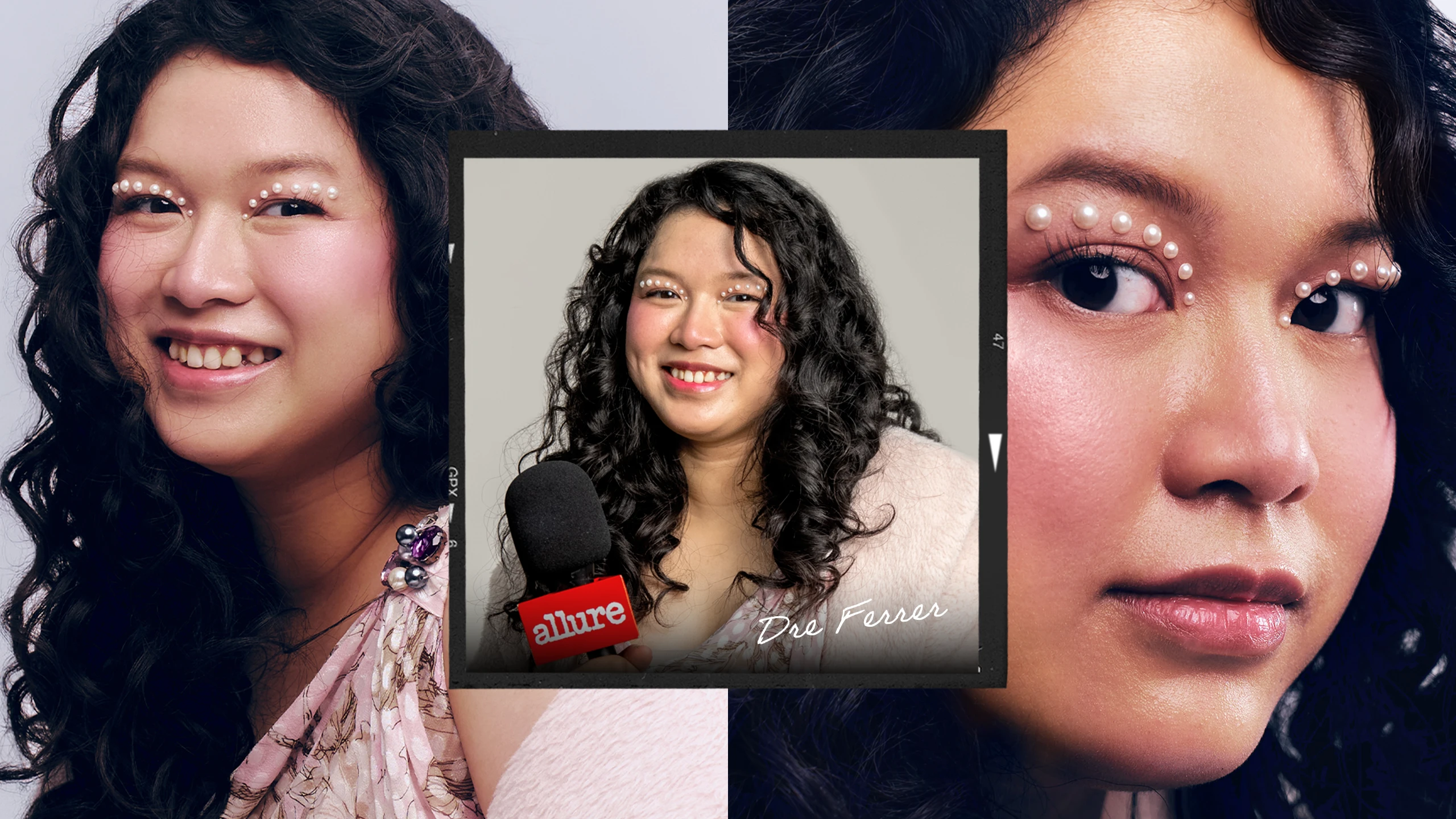
We all put great importance on hair.
Before stepping out the door, we make sure our hair looks well-kept as we peek one last time in the mirror. We purchase oils, scrubs, and mousses to keep the tutsangs in place and the back flat. Once in a while, we treat ourselves to a salon visit as a means of caring for our hair’s natural texture. We also spend money on tools in an attempt to achieve the voluminous, glossy, shampoo-commercial fantasy of hair à la a Victoria’s Secret model.
After all, it’s called the crowning glory for a reason.
Still, it’s a bit more complicated for those who grew up with curly, wavy, or kinky hair. In the Philippines, as in many other parts of the world, features associated with Western beauty standards have historically been given greater cultural value. Straight hair has long been positioned as the standard for polished, feminine, beautiful. Curls, on the other hand, sadly came with its own lexicon of panlalait and judgment: bruha, salot, pugad ng ibon.
How do you make sense of a seemingly harmless word like kulot being used as an insult? Once you learn that the hair you were born with falls outside the picture-perfect Filipino beauty ideal, what does it take to make that word your own again?
It is an uphill battle that Curlico founder Andrea “Dré” Ferrer has known all her life. Long before she built Curlico, her homegrown brand celebrating natural hair, she spent years treating her crowning glory with harsh chemicals and subjecting it to heat. From a young age, she was conditioned to work against the features she was born with.
In this Allure Philippines exclusive, she talks about growing up with curly hair, the comments that shaped how she saw it, and the process of unlearning what “perfect” was supposed to look like.
When you were growing up, how did you feel about having curly hair?
As a kid, I didn’t like my naturally curled hair. Growing up, we didn’t have products, education, stylists who knew how to handle curly hair. And we only had a little bit of representation— it was not that positive.
In ads or in films, you’d often see curly-haired characters or people being portrayed as the ‘before’ of a before-and-after transformation, or as kontrabidas. Basically, they showed that curls were something that needed to be fixed. So naturally, I wanted straight hair.
Did you ever wish your hair was straight?
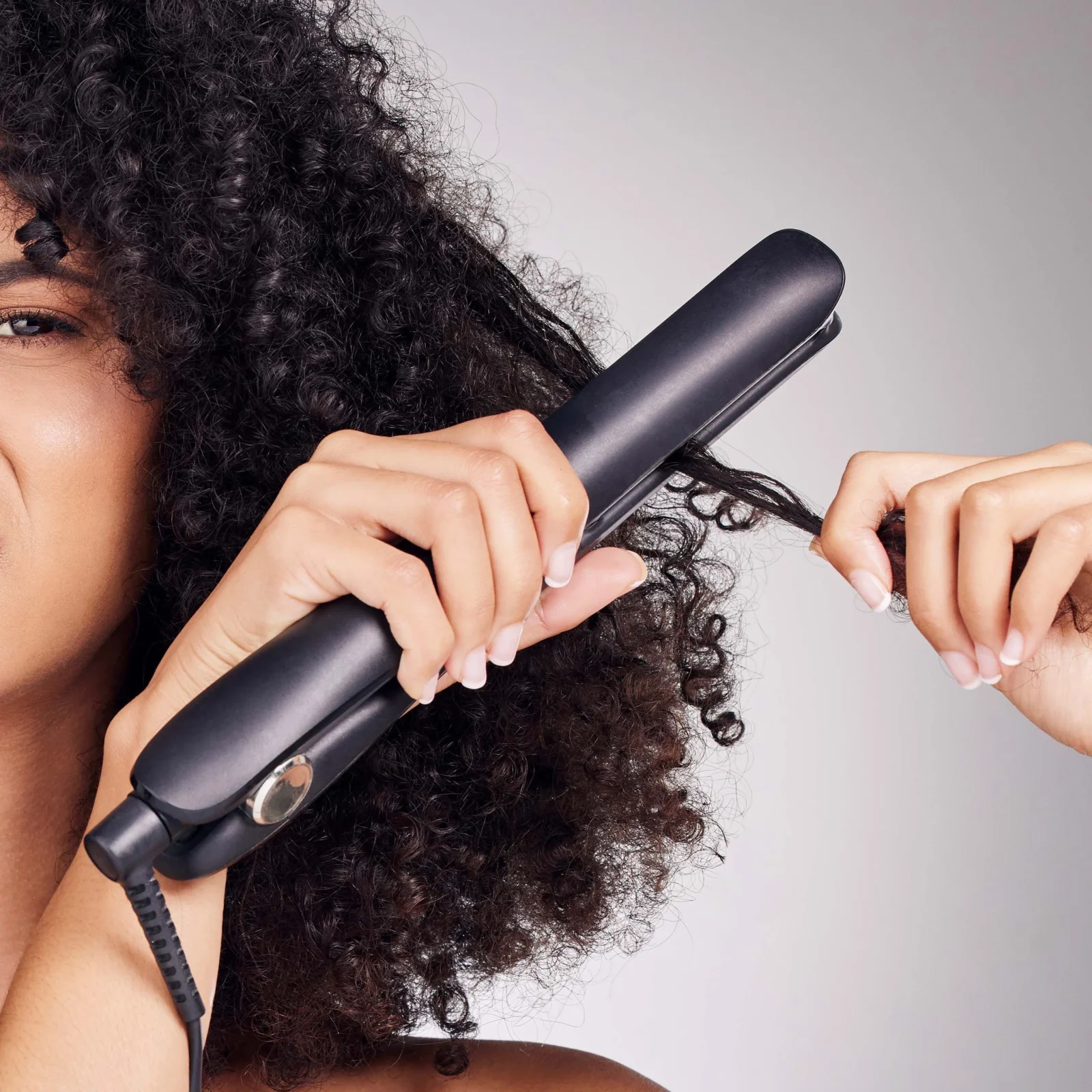
Of course! I think every curly-haired person could relate. When I was a kid, I wanted my curls to be silky, straight, and perfect. At 4 a.m. or 5 a.m., I’d wake up and straighten my hair with a flat iron.
Noong mas bata ako, I even tried to straighten my hair with a plantsa [ng damit]. So that’s how bad I really wanted straight hair.
Was there a moment when someone’s comment about your hair really stayed with you?
I don’t think there was a specific moment—feel ko mas layered siya. Because as a kid—and I know a lot of curlies would relate—at least once in your life, nasabihan ka na ng “Kulot salot,” “Mukha kang bruha,” or “Itali mo buhok mo, ayusin mo nga,” and all of that. And as a kid, you don’t really question those comments. You’re taught that your hair should look straight para maayos tignan. I think that stuck with me for a long time before I learned to embrace my naturally kulot hair.
What did beautiful hair mean to you as a kid?
As a kid, beautiful hair meant straight hair because of the packaging in ads of hair care products, you’d often see silky straight, anti-frizz [campaigns]. You wouldn’t see much for curls or for wavy hair or for kulot hair, so I thought that the only way others could see my hair as pretty is when it’s straightened.
And nakakadagdag pa yung comments you get when you’re with other people, your elders, or your schoolmates. They’d say, na, “Uy, straight hair mo ngayon ah! Bagay, mas maganda.”
Were you ever taught that your natural texture needed to be controlled?
My mom actually encouraged me to love my hair as it is; she never allowed me to straighten my hair or have it rebonded. So I think what really affected me were the comments from other people: like elders or schoolmates, saying that I’d look better with straight hair or that I should brush it up, fix it, or put it in a bun so that it looks neat.
Do you remember the first time you had to straighten your hair?
I don’t remember the first time, because back then, when you had curly hair, sobrang normalized na kailangan mo siya i-straighten.
Like every salon visit, I’d sit in a stylist chair and they’d offer, “Ayaw mo ng rebond? O relax?” They’d sigh and look at my hair. I thought it was normal. I didn’t know that my hair could be styled in a different way—like this one! Na pwede pala na curly hairstyle ang gawin.
What was the time you finally embraced your curls?
It was in college. In college, I was working as a freelance photographer for brands and restaurants. So as you can see, pag studios, mainit ‘di ba? So I’d I’d need to tie up my hair and all. And it was also the time na nagsa-start yung long-form content on YouTube, so I was able to watch curly-haired content creators. But the big problem was, they’re all based abroad! So all of the products and tools that they were recommending, wala sa Philippines.
I had to use other local brands na available at our department stores. But I think it had a good result, because my classmates, my coursemates would often compliment my curls and say it looks like Lorde’s, the singer! So I think it’s a big boost sa confidence, and it really helped me embrace my curls, ‘yung positive comments.
Why do you think textured hair has been treated as something to tame or fix?
It’s because we lacked choice and education back then. We didn’t really have products for curls. And wala pa masyadong content about curly hair and how to take care of it. So I guess the only way other people know how to take care of our curls is to straighten it.
What do you wish you had seen more growing up? Like women with curls, volume, or textured hair being celebrated as beautiful?
I wish I had seen more representation, like real representation, not just another beauty standard, like picture-perfect, frizz-free curls. I would have wanted to see curls celebrated in all of its forms: wavy hair, curly hair, coily hair, kinky hair. Frizz-free or defined, unstyled or not.
Who do you want to be represented by?
Local celebrity, siguro ang pinaka-naalala ko is si Andi Eigenmann and Karylle Yuzon. For international artists, I think it’s Beyoncé. And si Lorde! Kasi hindi naman ganun ka-accessible yung international media, so you’d only see them sa channels kapag may schedule na sila.
How has your relationship with your hair changed from childhood to now?
I think my relationship with my hair is so much healthier now. Because back then, even when I was starting out, I thought I had to style my hair a certain way for it to be considered beautiful. Like dapat walang frizz, dapat mas kulot pa, or other things like that.
I think it’s unrealistic for me to want to have perfect curls all the time—wala namang perfect. In this journey, in my curl-care journey, I had to unlearn perfect, especially when it comes to beauty and embracing yourself.
What does loving your natural hair mean to you?
For me, loving my natural hair is loving it as it is. So I don’t think you have to have perfect curls every day just for you to say na your hair is beautiful. I think that what’s most important is to know that you have a choice in how you want to wear your hair.
So if you want volume, that’s great! If you want more definition, okay. If you don’t want to style your hair, okay lang din. Because if you love and accept your natural curls as it is: styled, unstyled, frizz and all.
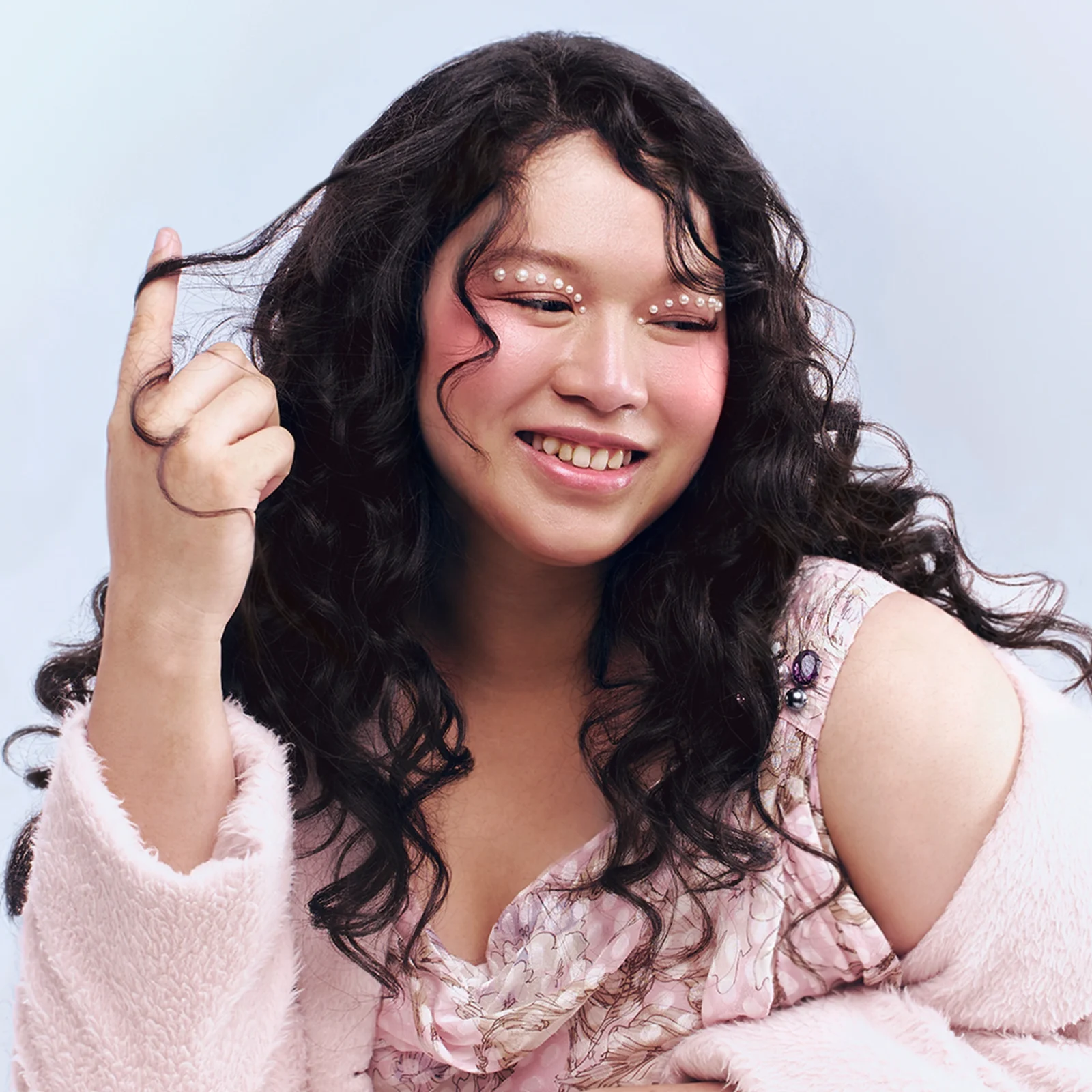
Today, Ferrer has built a home for curly-haired Filipinos in Curlico. For those who grew up being told to tame, straighten, or simply “fix” their hair, the brand offers something she once struggled to find herself: a place where curls can just be curls. It’s a love letter to anyone who grew up believing their natural hair needed to be changed before it could be considered beautiful.
Frequently Asked Questions
Dré Ferrer says it came from a lack of choice and education, with few products or content for curls. Western-influenced beauty standards also positioned straight hair as the polished, feminine standard.
Ferrer embraced her curls in college, helped by curly-haired YouTube creators and classmates’ compliments. She used local department-store brands, since the products those creators recommended were not available in the Philippines.
Ferrer defines it as loving her hair as it is, styled, unstyled, frizz and all. She says curls don’t need to be perfect daily; what matters is having the choice to wear volume, definition, or no styling.
Ferrer wants real representation, not another picture-perfect, frizz-free standard. She wants curls celebrated in every form (wavy, curly, coily, kinky), whether defined, frizzy, or unstyled. She would like to be represented by Andi Eigenmann, Karylle Yuzon, Beyoncé, and Lorde.
No. Her mother encouraged her to love her hair as it is and never allowed straightening or rebonding. The pressure came from elders and schoolmates, who said she would look better with straight hair or should tie it up.
Nina Cortez
Nina Cortez is a Digital Content Writer at Allure Philippines. With a background in editorial writing and cultural commentary, she specializes in digital culture and online communities, exploring how they influence beauty trends and consumer behavior. Her academic research on the credibility of beauty reviews on social media further informs her understanding of how products and trends are discussed, discovered, and consumed online. At Allure Philippines, she covers beauty and culture through a digital-first lens, examining the trends and conversations shaping the industry.
- KEYWORDS
- curly hair
Latest Stories


You might also like
To provide a customized ad experience, we need to know if you are of legal age in your region.
By making a selection, you agree to our Terms & Conditions.