How Fencing Changed Juliana Gomez’s Life—and What Young Athletes Can Learn From Her
National fencing athlete Juliana Gomez shares how her love for the sport shaped her life and fueled her goal of inspiring more people to take up fencing.


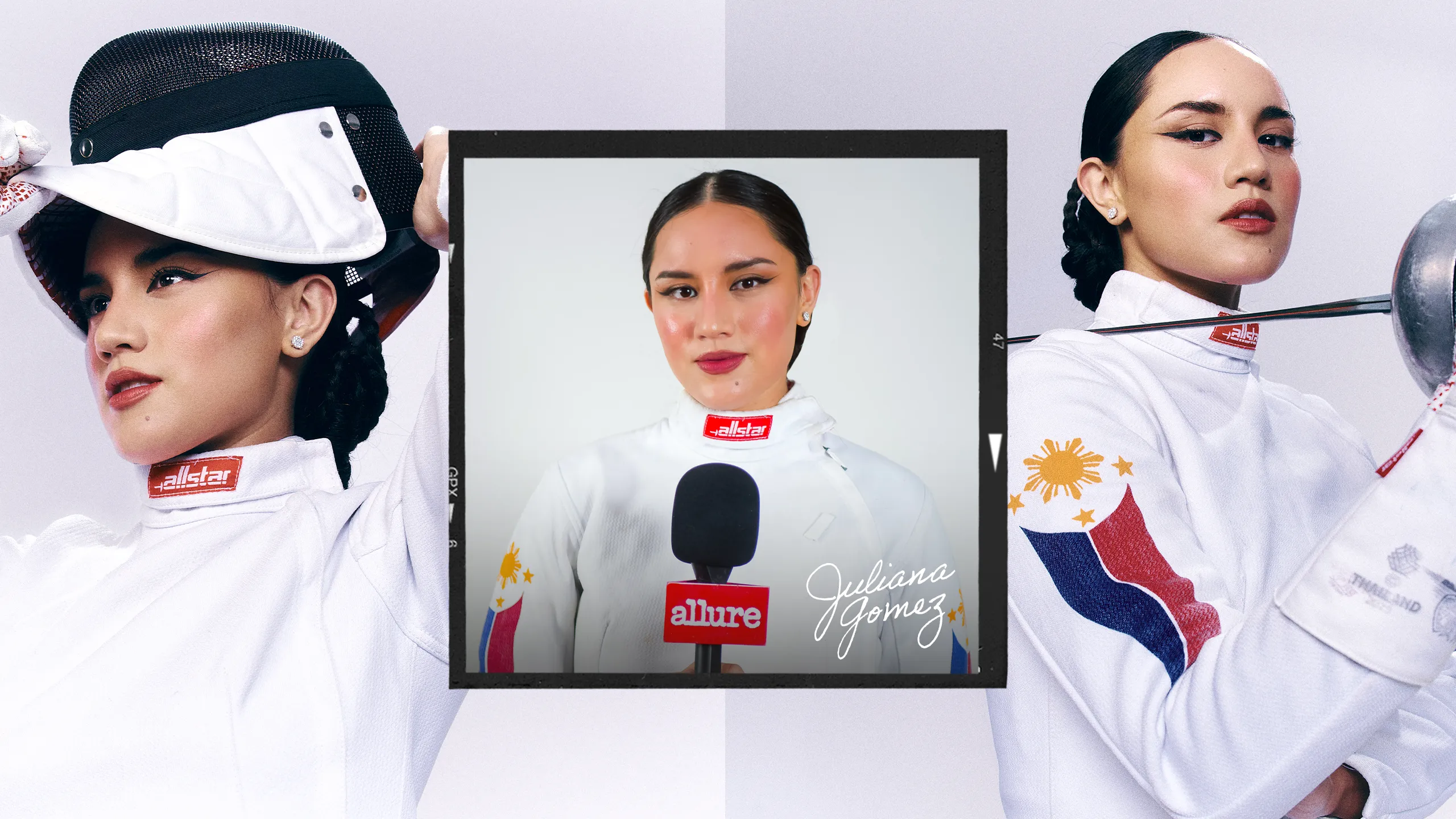
We tend to think great athletes have always known what sport they were meant to play. The childhood trophies, the years of training, and the unwavering commitment can make it seem like the path to becoming a national athlete starts with knowing exactly where you belong.
But what if it doesn’t?
For Juliana Gomez, it took more than one sport before she found what she eventually became passionate about. She was a varsity volleyball player in college, tried softball, football, and basketball, and even gave fencing a shot as a child before walking away from it. It wasn’t until she was 20, during the pandemic, that she picked up a fencing sword again. This time, she decided to give it everything she had.
Five years later, Gomez is the Philippines’ No. 1 senior women’s épée fencer. Along the way, the sport has taught her how to handle losses, become more independent, keep showing up, and, perhaps most importantly, try again.
In an exclusive one-on-one interview with Allure Philippines, Gomez talks about finding her way back to fencing, what the sport has taught her, and what she hopes other young athletes can take from her journey.
How did you get into fencing? Was it your first sport?
I took it up for a year and completely stopped. I picked it up again when I was 20, during the pandemic, and it’s been serious ever since then. My dad let me explore, so I got into softball for a while.
Volleyball was my last sport before fencing. I also tried a bit of football before, and basketball even.
What made you stick with fencing when you tried it?
It was when I was in college, I was a freshman. Back then, I wanted to give back to my university by winning them a medal somehow, since at that time, I was an athletic scholar. So I figured doing so in a team sport might be a little difficult, but it felt possible through fencing, since it’s an individual sport. And when you’re out there competing, the outcome is up to you in many ways.
Was there a specific moment you decided fencing wasn’t just a hobby anymore, but something you wanted to pursue seriously?
I started fencing when I was an adult, and my state of mind when I picked up the sport again was to just give it my best shot. And if I was gonna start something, I might as well aim for the top, and I might as well take it really seriously and give it my best shot. And so I did.
How has fencing shaped how you see yourself?
I think that the sport has definitely matured me in so many ways. It’s built my character through all of the losses and all of the independence that it entails.
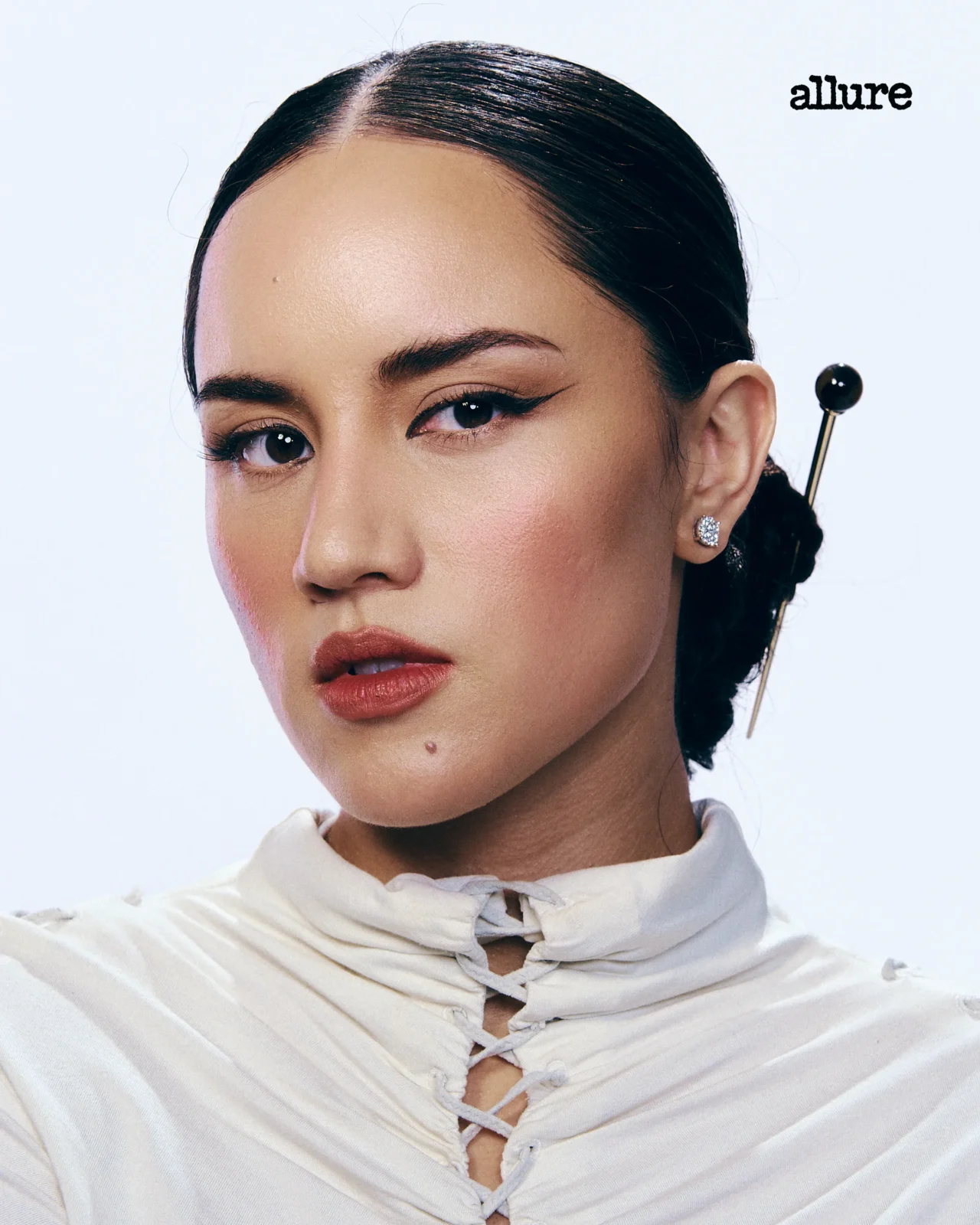
Excel Panlaque
What keeps you motivated on the days when training feels like a grind rather than a passion?
What keeps me motivated is the thought that I’m where I wanted to be five years ago. I look back on my journey, and every time I realize how far I’ve come, I’m reminded of how much more I can do if I just show up.
What is your goal as a fencer?
My goal when all of this is done, when I’m not a fencer anymore, is to hopefully get more people into the sport because, A, I do want to grow the community. I’d love for it to be more widely known here in the Philippines because if fencing becomes a bigger sport here in the Philippines, then more kids get into it. The level of play becomes more competitive, and we get to develop more players for universities for the national team in the future. Hopefully, we remain, or we become an even more competitive country in the fencing world, but that’s really just the cherry on top.
What I would love is for people to get into the sport because they like what they see. Hopefully, it allows children to be part of this community, and that through the sport, opportunities open up for them in terms of education [and] a better life. Even if they don’t end up pursuing fencing, at least they have that doorway that’s open to them, and they get a chance at studying at a good school, meeting good people, and just changing their lives through sport.
What do you want your fencing story to mean to other young Filipino athletes?
Well, if there’s anything that my story at this point can teach any young Filipino athlete, it’s that it’s never too late to start. Again, I started this sport when I was 20. Since then, my life has changed in ways I couldn’t have imagined if I didn’t become a fencer. So, it’s okay to try again. It’s okay to start all over again if you feel like you’re in the wrong sport, or maybe you’re in the wrong career, or you feel like where you’re at doesn’t feel so right.
No shift is too big, and it’s important that you bet on yourself.
Why do you love fencing?
I love fencing because it teaches me how to try again. After disappointments, after losses, after hard days, it has required me to get back up again.
Frequently Asked Questions
Juliana Gomez is the Philippines’ No. 1 senior women’s épée fencer. A college varsity volleyball player who also tried softball, football, and basketball, she returned to fencing at 20 during the pandemic, having quit it as a child after a year, and committed fully.
Yes. Juliana Gomez took up fencing seriously at 20 and became the Philippines’ No. 1 senior women’s épée fencer five years later. She says it’s never too late to start and that it’s okay to try again if you feel you’re in the wrong sport.
Fencing has taught Gomez to handle losses, become more independent, keep showing up, and try again. She says the sport matured her and built her character, and that it has required her to get back up after disappointments, losses, and hard days.
As a college freshman and athletic scholar, Gomez wanted to win a medal for her university. She felt that was difficult in a team sport but possible in fencing, an individual sport where the outcome depends on the athlete in many ways.
Gomez hopes to grow the fencing community and make the sport better known in the Philippines so more children take it up, competition rises, and more players develop for universities and the national team. She also sees it opening doors to education and a better life