

You exfoliate them, you gloss over them, maybe you even spend hundreds to semi-permanently plump them — but are you taking steps to prevent your lips from getting sunburnt?
Yep, sunburn on lips is a very real thing. In fact, your mouth is even more prone to sunburn than other areas of your body because of the unique nature of the skin that comprises your lips. “[The lips] have a thinner layer of skin compared to the rest of the skin on the body, and very little melanin, which helps provide some natural protection from UV rays,” says Birmingham, Alabama-based board dermatologist Corey L. Hartman, MD.
And here’s a fun fact to dazzle your friends with: Your lower lip is more vulnerable to sun damage than your top one, “because the nose offers some sun protection for the upper lip,” adds Philadelphia-based board-certified dermatologist Nazanin Saedi, MD.
We know, we know — you didn’t come here for dinner party fodder. In fact, you’re probably reading this because you’re experiencing some combination of lip swelling, stinging, and sensitivity that you suspect might have been caused by sun exposure. So, without further ado, read on for exactly how to determine if your lips are sunburnt — plus how to prevent it from happening in the first place.
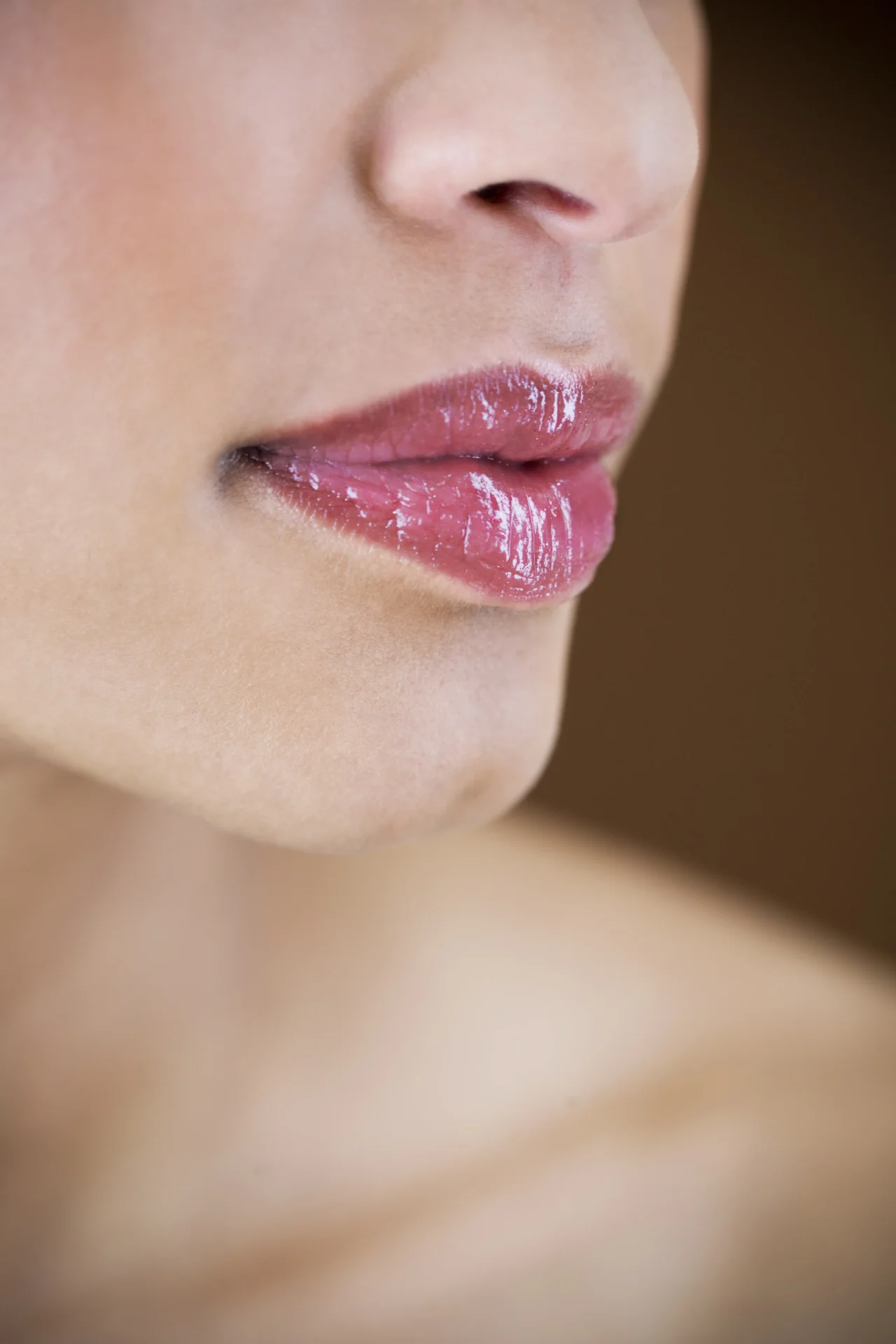
Envato Images
Meet the experts:
Corey L. Hartman, MD, a board-certified dermatologist at Skin Wellness Dermatology in Birmingham, Alabama.
Nazanin Saedi, MD, a board-certified dermatologist at Dermatology Associates of Plymouth Meeting and clinical associate professor at Thomas Jefferson University in Philadelphia.
What does sun damage on lips look like?
The initial signs your lips have been sunburned appear about two to five hours after extensive sun exposure, says Dr. Saedi. How a sunburn presents itself, of course, depends on the level of damage inflicted.
Symptoms of a mild case can include dryness, irritation, and redness. If your lips fit that description 24/7, first of all, may we suggest a few of our favorite hydrators? And second, ask yourself if you feel heat radiating from your lips, which is a telltale sign of sunburn, says Dr. Hartman. If you’re suffering from a moderate to serious burn, those symptoms kick into overdrive in the form of blisters, bleeding, pain, and extreme sensitivity.
As with any sunburn, you’re going to be dealing with the immediate consequences for anywhere from three to five days. And the state of your lips might get worse before it gets better: “When the lip heals, the dead skin peels off and sheds,” says Dr. Saedi, noting that it’s normal (and, in fact, a sign of healing) to also experience some itchiness during the process.
Can sunburned lips cause cold sores and blisters?
But notice we said those symptoms are the immediate consequences — because unfortunately, a sunburn on your lips can sometimes cause more trouble down the line.
“The heat and the stress to the skin of a sunburn can lead to the development of cold sores,” says Dr. Saedi. Cold sores, of course, are not to be confused with the aforementioned blisters that result from sunburn in and of itself. “The blisters [associated with] cold sores are different in that they are usually clustered together and painful,” according to Dr. Saedi.
Sun damage on the lips can also result in lingering discoloration in the form of hyperpigmentation. But far more disturbingly, “a bad sunburn on the lips, just like on other parts of your body, can lead to an increased risk for skin cancer,” says Dr. Hartman. “I do see patients with skin cancerous growths on the lips, including melanoma, which is the deadliest form.”
How do you treat sunburn on lips?
That said, if you notice an unusual spot on your lips or a sore that won’t heal, visit a dermatologist as soon as you can. But to treat the symptoms of lip sunburn in the short term, there are a few steps you can take from the comfort of home.
“If you find yourself with a mild sunburn, you can use a cool compress on your lips to alleviate some of the swelling and bring down the heat in your lips,” says Dr. Hartman. This trick works nicely when used in conjunction with an over-the-counter anti-inflammatory medication like Advil, which helps relieve mild pain.
Applying aloe vera gel to the lips can also help ease irritation. (Dr. Saedi suggests chilling it first to maximize the soothing benefits.) On the flip side, at this stage it’s best to avoid any lip products with petrolatum, like Vaseline. “Those will actually seal in the heat and prolong the burn and any painful symptoms,” Dr. Hartman says.
Can you prevent sunburn on lips?
Now, here’s the good news: sunburn on your lips is totally avoidable if you’re diligent about applying SPFSPFSun Protection Factor, a measure of how well a sunscreen protects against UVB rays that cause sunburn. Dermatologists recommend a broad-spectrum SPF 30 or higher, applied generously every morning andGo to SPF Glossary. While Dr. Hartman says you can apply your favorite facial sunscreen over your lips for some protection, using a lip balm with SPF 30 or higher is ideal.
“Apply it at least 15 minutes before you go outside and reapply after swimming, sweating, or eating and drinking, since [that] can take off your SPFSPFSun Protection Factor, a measure of how well a sunscreen protects against UVB rays that cause sunburn. Dermatologists recommend a broad-spectrum SPF 30 or higher, applied generously every morning andGo to SPF Glossary lip balm just like it can your lipstick,” says Dr. Hartman.
And with a new wave of non-chalky, comfortable-to-wear options now on the market, you might find yourself applying SPF lip balm even more often than you “need” to. And that’s not lip service.
Originally published in Allure US
Frequently Asked Questions
Yes, lips can and do get sunburned — and they are more vulnerable than other areas of the body. Lips have a thinner skin layer and very little melanin for UV protection, making them especially susceptible to sun damage. The lower lip is at greater risk since the nose shields the upper lip from direct sun exposure.
Sunburned lips typically show symptoms two to five hours after sun exposure. Mild cases present as dryness, redness, irritation, and a sensation of heat. Moderate to severe burns can cause blistering, pain, bleeding, and extreme sensitivity. Peeling and itchiness during the healing process are normal and indicate recovery.
To treat mildly sunburned lips at home, apply a cool compress to reduce swelling and heat, and take an over-the-counter anti-inflammatory like ibuprofen for pain relief. Chilled aloe vera gel can help soothe irritation. Avoid petrolatum-based products like Vaseline, as these seal in heat and can worsen symptoms.
Yes, the heat and skin stress from a lip sunburn can trigger cold sore outbreaks, particularly in people already carrying the herpes simplex virus. Cold sore blisters differ from sunburn blisters — they typically appear in clusters and are more painful. Repeated sun damage can also cause hyperpigmentation and increase skin cancer risk.
Use a lip balm with SPF 30 or higher to protect lips from sunburn. Apply it at least 15 minutes before going outside and reapply after swimming, sweating, or eating, as these activities remove the protective layer. Regular facial sunscreen applied over the lips can also offer some protection in a pinch.