Why Is Everyone Starting to Look the Same? Inside the Rise of the Global Beauty Face
From Manila and Seoul to Miami and Dubai, the same features keep appearing. Inside how algorithms, filters, celebrity culture, and aesthetic procedures are creating a new global beauty ideal.


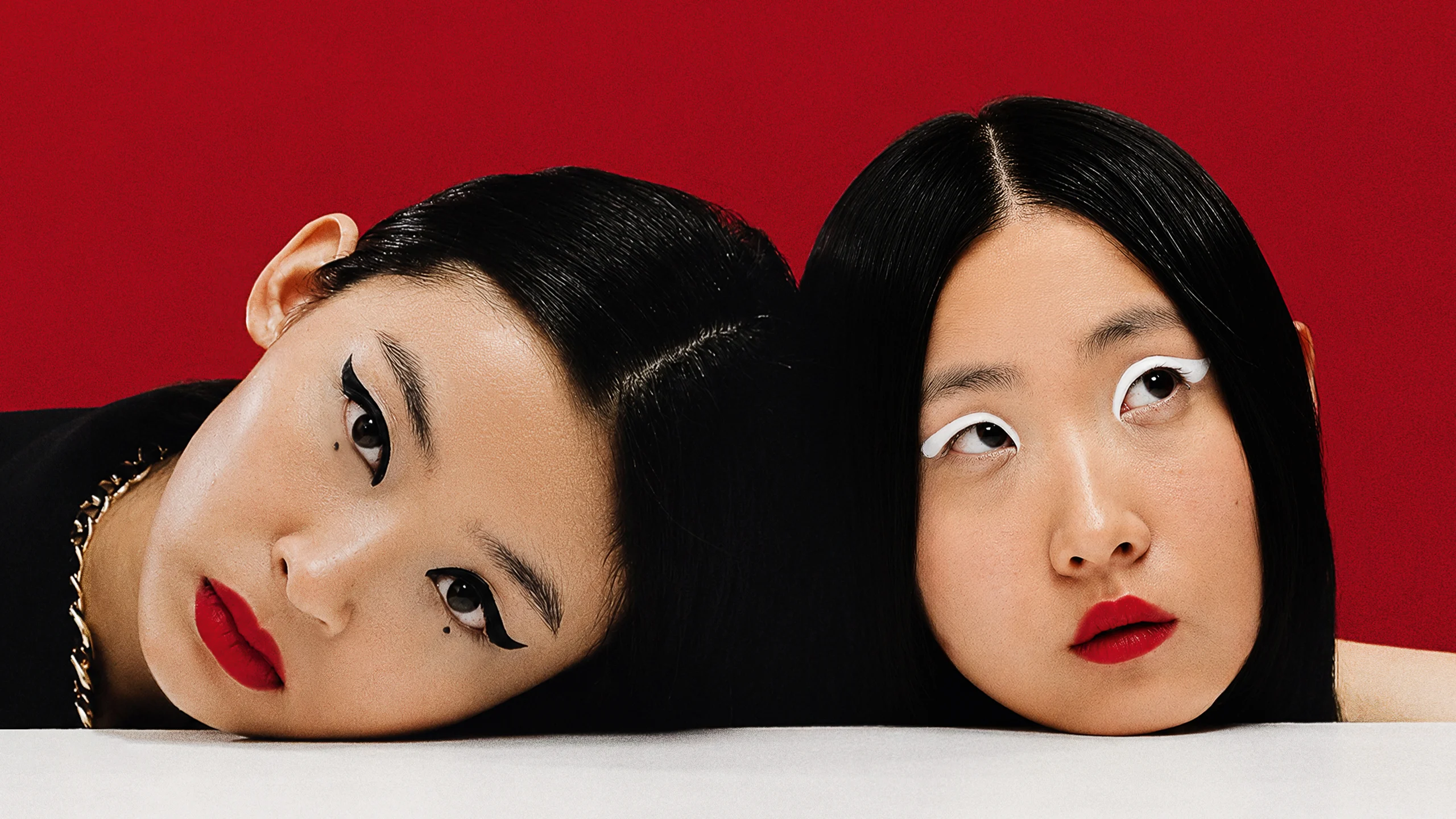
Throughout history, different parts of the world had different ideas about what was beautiful. Every era and culture celebrated different facial features, with ideals often shaped by geography, class systems, and social values.
In Ancient Egypt, almond-shaped eyes were heavily lined with black kohl. A symmetrical face, high arched brows, a long neck, a refined profile, and smooth, golden-toned skin were considered hallmarks of beauty.
In the Classic Maya civilization, people went through deliberate body modification to achieve what was deemed beautiful: an elongated skull, crossed eyes, and bejeweled teeth.
During China’s Tang Dynasty, a rounded, fuller face was considered the height of beauty, symbolizing health, prosperity, and refinement, while soft cheeks, delicate small lips, and graceful eyebrows were also admired.
During the Italian Renaissance, beauty ideals favored broad foreheads, soft jawlines, fuller faces, golden hair, and fair skin.
In Elizabethan England, an extremely pale complexion was prized as it signaled aristocracy, indicating a life spent away from the sun and manual labor. Cheeks and lips were colored a bright, rosy red, creating a contrast that suggested youth and vitality.
In the past, beauty was local. Faces were shaped by places and distance fostered differences. What was considered desirable in one society could be entirely unrecognizable in another. Each set of ideals was developed in isolation.
“In the past, beauty was local.”
But not anymore.
It’s something I’ve been noticing for a while now, and it hit me in Miami. I was sitting in a taco shop in Wynwood, attacking my birria, when a girl walked in: perfect hair, sculpted nose, full lips. She was beautiful in a familiar way. She looked like the girls I’d often see in Makati.
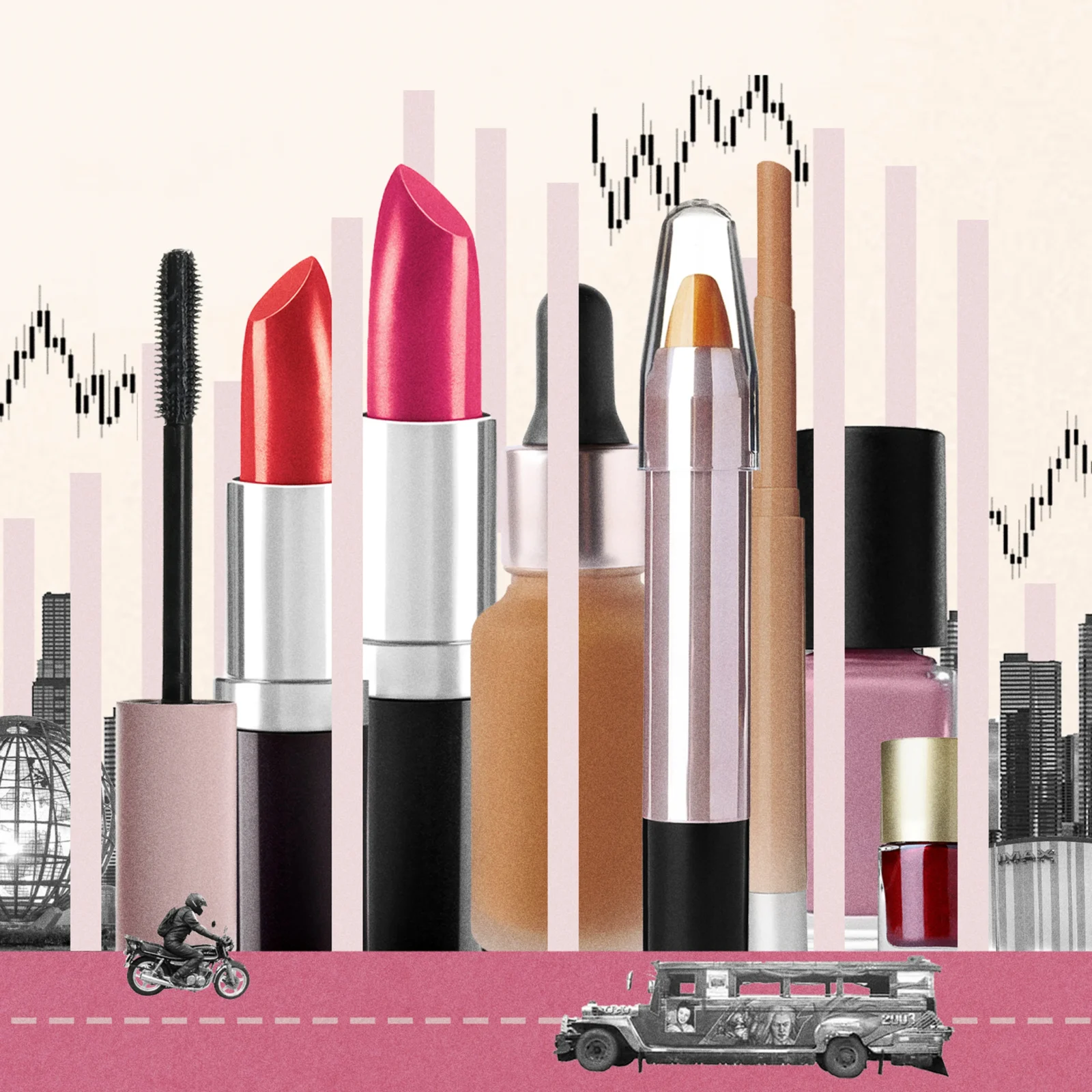
In New York, Seoul, Dubai, Madrid, it’s the same thing, the same look: contoured faces, high cheekbones, laminated brows, lifted eyes, pillowy lips.
“Beauty standards have become increasingly homogenized in the era of digital globalization,” wrote Dr. Ume Habiba and Shahr Bano in a study published in the Journal of Social Sciences Review. The algorithm has no borders and it has been shaping what we see as desirable. The internet has made the world smaller, even when it comes to beauty.
Filipino-American writer Jia Tolentino calls it Instagram Face. In a 2019 article for The New Yorker, she wrote about this “cyborgian” look: “It’s a young face, of course, with poreless skin and plump, high cheekbones. It has catlike eyes and long, cartoonish lashes; it has a small, neat nose and full, lush lips.”
It’s a beauty ideal shaped by celebrity culture, social media, and aesthetic medicine.
Celebrities have always been worshipped for their seemingly unattainable beauty. They were expected to look extraordinary, something they achieved not just through genetics. It takes a village to make a celebrity look like a celebrity: the best makeup artists, hair stylists, dermatologists, cosmetic surgeons, trainers, fashion stylists. You’ve seen it happen again and again, when newly discovered stars get their inevitable glow-up, their transformation the result of resources, expertise, and access that most people could only dream of.
For a long time, unless you had the means, that world felt out of reach. The celebrity face, that camera-ready symmetry, was something to admire, maybe even envy, but never something most people imagined they could have.
Or so we thought.
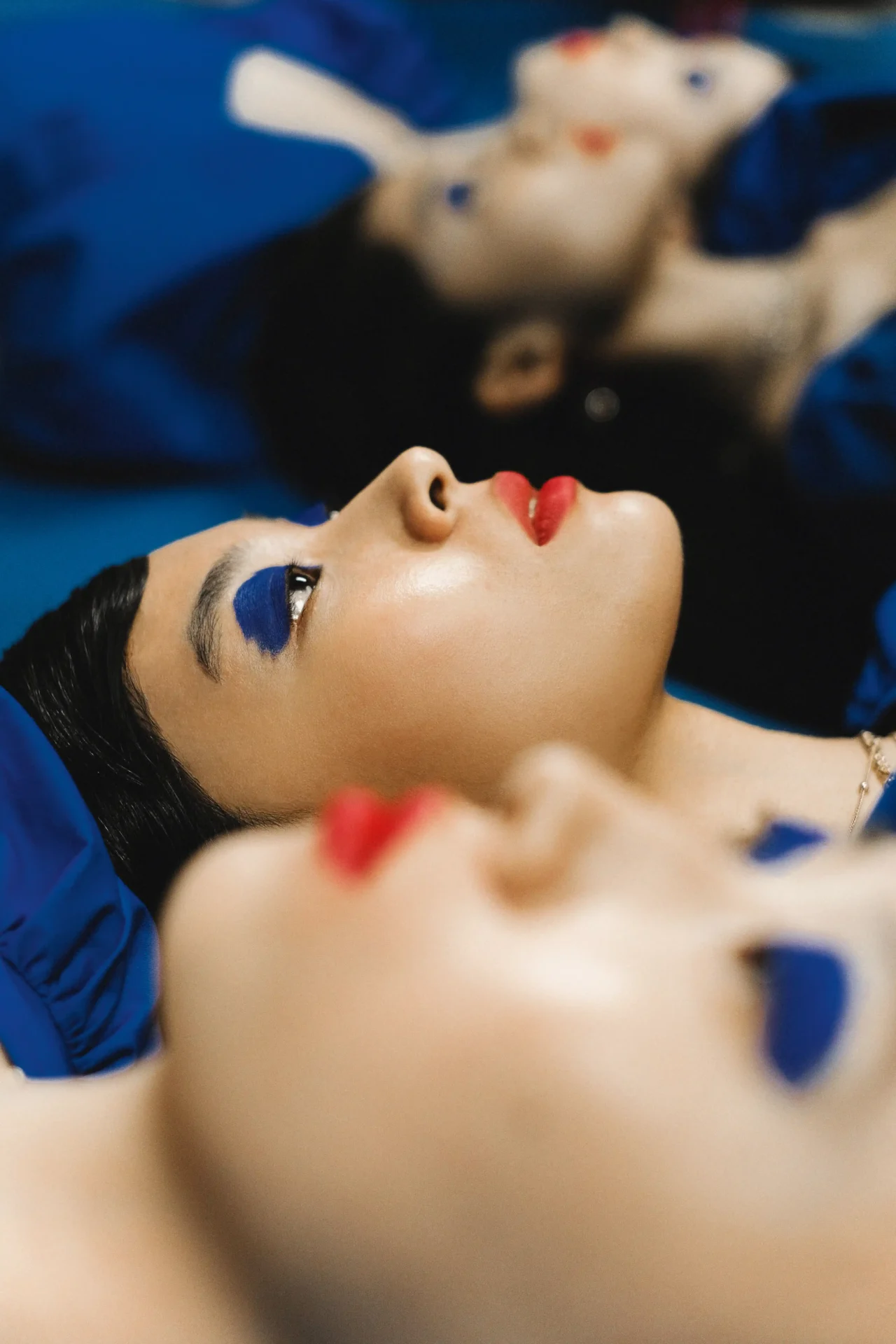
Perhaps it started with filters. One swipe and you saw a more glamorous version of yourself: flushed cheeks, soft glow, a more defined bone structure, still you, just… better.
Shvets Production/Pexels
Then there was FaceTune and a myriad of similar apps, later made even more powerful by AI, which allowed people to retouch their photos: remove blemishes, whiten their teeth, even adjust the size and the position of their facial features.
A 2014 study by The Renfrew Center Foundation found that almost half of their respondents admitted to editing their photos before posting on social media. One in eight people said that they edit their photos because they weren’t happy with the way they looked.
Not everyone is satisfied with just a virtual makeover, turning to makeup techniques to enhance and adjust their features in the real world, something now easier to learn, thanks to YouTube and TikTok tutorials. Kim Kardashian and her makeup artist Mario Dedivanovic preached the gospel of contouring, turning it into a mainstream obsession around the world. Lips were overlined, brows sculpted, pores erased. (Repeat after me: people have pores.)
What’s telling is how the language of selfies has seeped into the names of beauty products. Foundations, primers, setting sprays promise “blur,” “soft focus,” “filter finish” because they know that’s what the target market wants: for their faces to appear as flawless off-screen as they do in their edited photos.
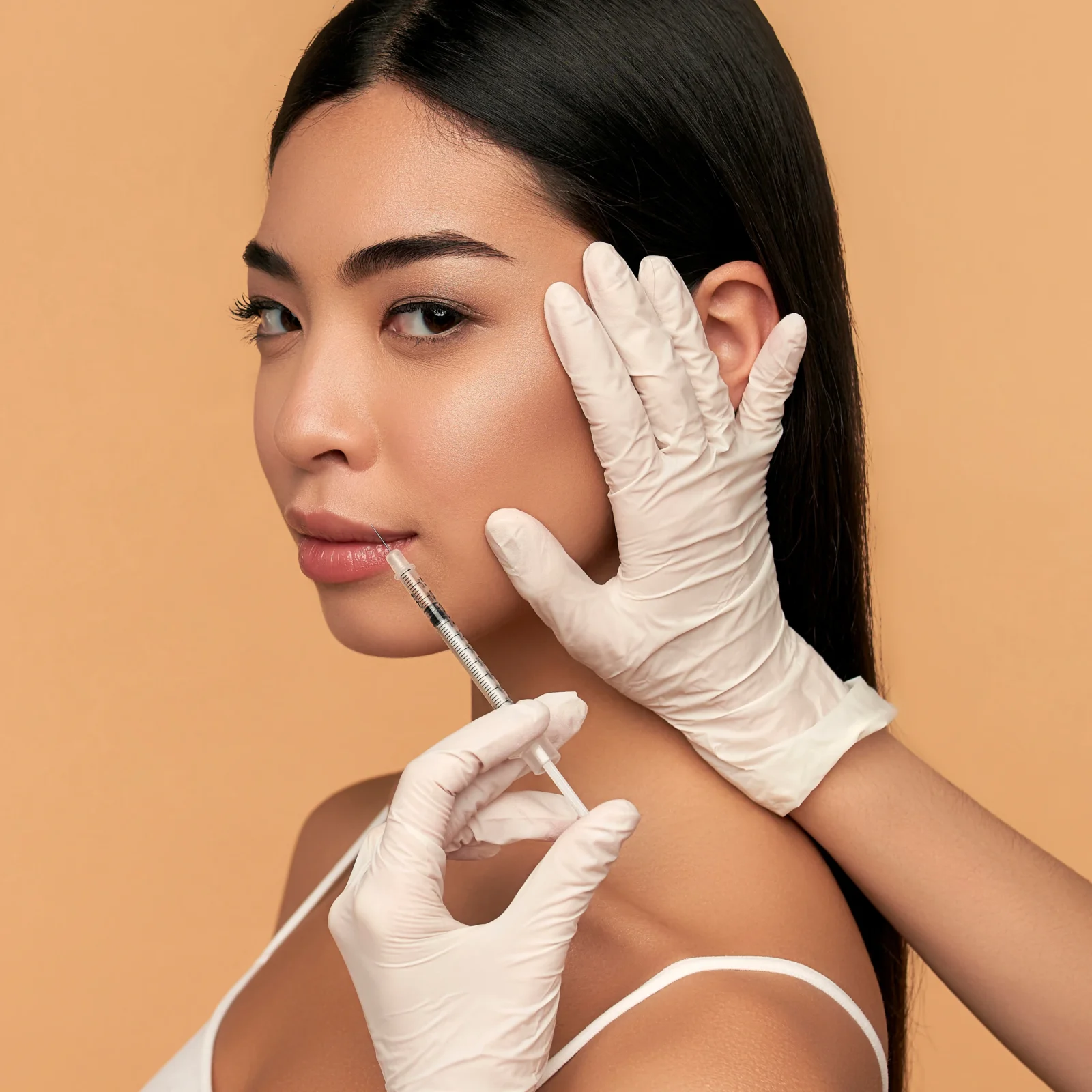
There are those who take things a step further, finding that a more lasting change was possible with aesthetic medicine. Procedures are faster, cheaper, less invasive. Treatments that were once hush-hush (Botox, lip fillers, jawline contouring, even rhinoplasty) became as common as trips to the spa or the salon and are just as shared on social media. For many, maintenance and modification became just another thing on the calendar, just part of the routine.
People frequently bring photos of their favorite stars to plastic surgeons, asking to replicate their specific features. In the Philippines, one of the most requested noses is Kathryn Bernardo’s.
The celebrity face, optimized for the camera, was no longer something to admire from a distance. It became something everyone, famous or not, could pursue. Beauty has become more accessible, more democratized, but also more uniform. What has emerged is a kind of transnational face, a face that belongs everywhere and nowhere at once.
“Beauty has become more
accessible, more democratized,
but also more uniform.”
Which begs the question: what have we gained, and what have we lost?
We are living in an age where we advocate individuality, self-expression, and authenticity. Yet we are trying to look the same.
In our pursuit of beauty, are we slowly erasing what makes us look like ourselves?
Frequently Asked Questions
Digital globalization has homogenized beauty standards worldwide, according to a study in the Journal of Social Sciences Review. Algorithms have no borders, spreading the same contoured, high-cheekboned look across Manila, Miami, Seoul, and Dubai regardless of regional or cultural context.
Filipino-American writer Jia Tolentino coined “Instagram Face” in a 2019 New Yorker essay, describing a “cyborgian” look built from poreless skin, plump high cheekbones, catlike eyes with long lashes, a small neat nose, and full lush lips—now visible across global social media feeds.
Photo filters and retouching apps like FaceTune let users edit blemishes, whiten teeth, and reshape facial features before posting. A 2014 Renfrew Center Foundation study found nearly half of respondents edited their photos, popularizing a flawless, camera-ready look many now pursue in real life.
Procedures like Botox, lip fillers, jawline contouring, and rhinoplasty have become faster, cheaper, and less invasive, turning what was once hush-hush into routine maintenance shared openly on social media—letting anyone, not just celebrities, replicate a specific, camera-optimized facial look.
The article notes that people frequently bring photos of favorite celebrities to plastic surgeons, requesting specific features. In the Philippines, Kathryn Bernardo’s nose is one of the most commonly referenced and requested shapes among patients.