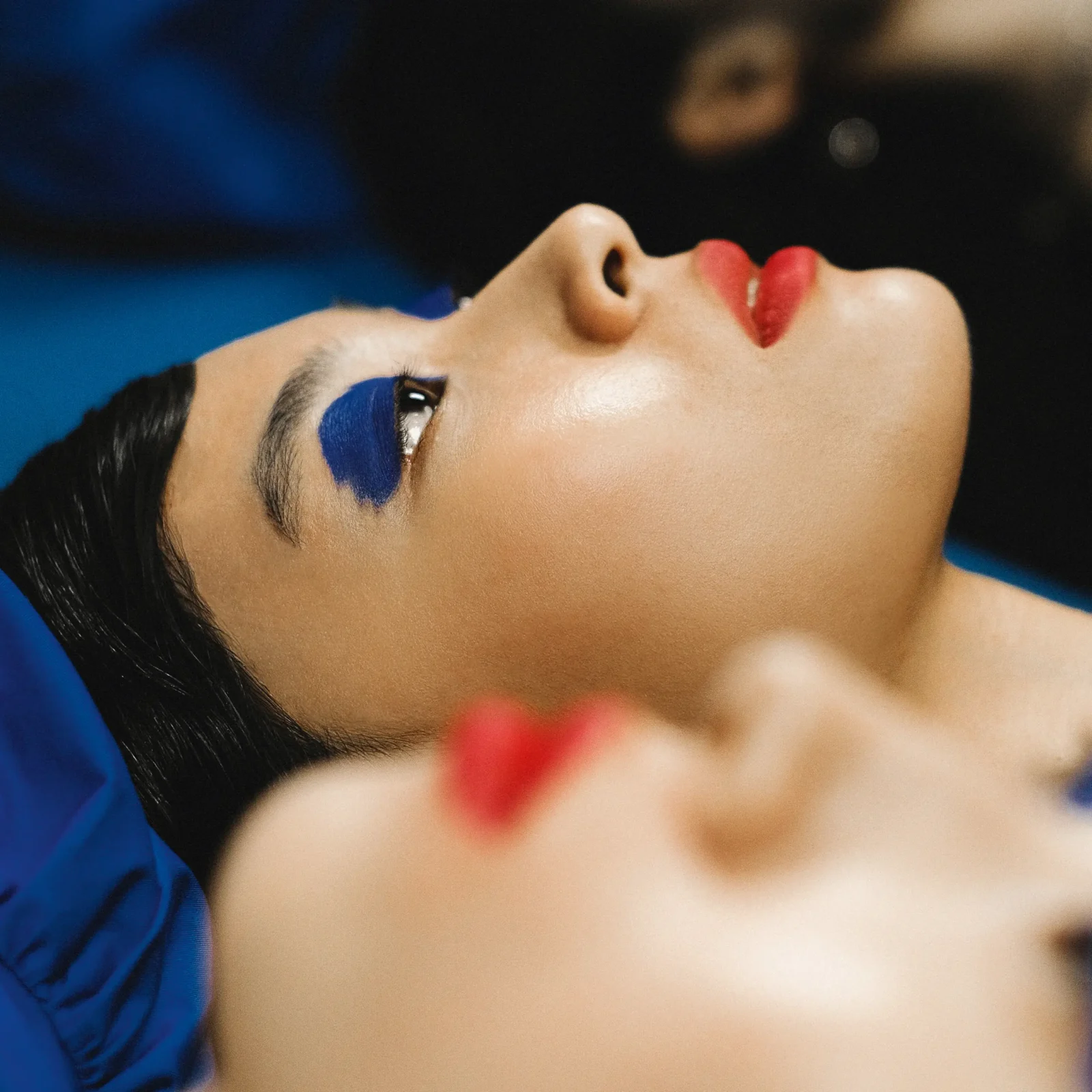



The viral “Bebot” makeup trend on TikTok began as a nostalgic Pinay Y2K aesthetic, but its reach quickly moved beyond Filipino circles. Beauty lovers and creators around the world began recreating the look: frosted eyeshadow, lined glossy lips, and early-2000s styling. To be Filipina, at least for one viral moment, was aspirational.
For Audrey Laglagaron, Marketing Lead for MAC Cosmetics Southeast Asia, the trend reflects a growing visibility that is both exciting and incomplete. “This kind of cross-cultural interest shows that aspects of Filipina beauty and style are resonating internationally,” she says. “However, there’s still an opportunity to broaden how Filipina beauty is reflected within global beauty conversations. Mainstream narratives can sometimes lean toward familiar aesthetics, which means the full diversity of Filipina beauty isn’t always visible.”
Filipina beauty is arguably more visible today than at any point in history. Filipinas today appear in global beauty campaigns, fashion runways, film and television, music, and social media feeds consumed far beyond the Philippines. For instance, Filipino pop girl group BINI performed just this year at Coachella—the first Filipino act to take the stage. Sophia Laforteza, leader of global girl group Katseye, is a homegrown talent, having grown up in the Philippines, with her immediate family still in Manila. International fashion icons Heart Evangelista and Pia Wurtzbach-Jauncey are huge local celebrities, and global content creator Bretman Rock was born and raised in the Philippines, before migrating to the United States.
Yet visibility often comes with translation. As Filipina beauty travels, it is frequently reshaped to fit the expectations of the spaces it enters. The question is no longer whether Filipinas are being seen. It is what version of Filipina beauty is being seen—and who gets to decide.
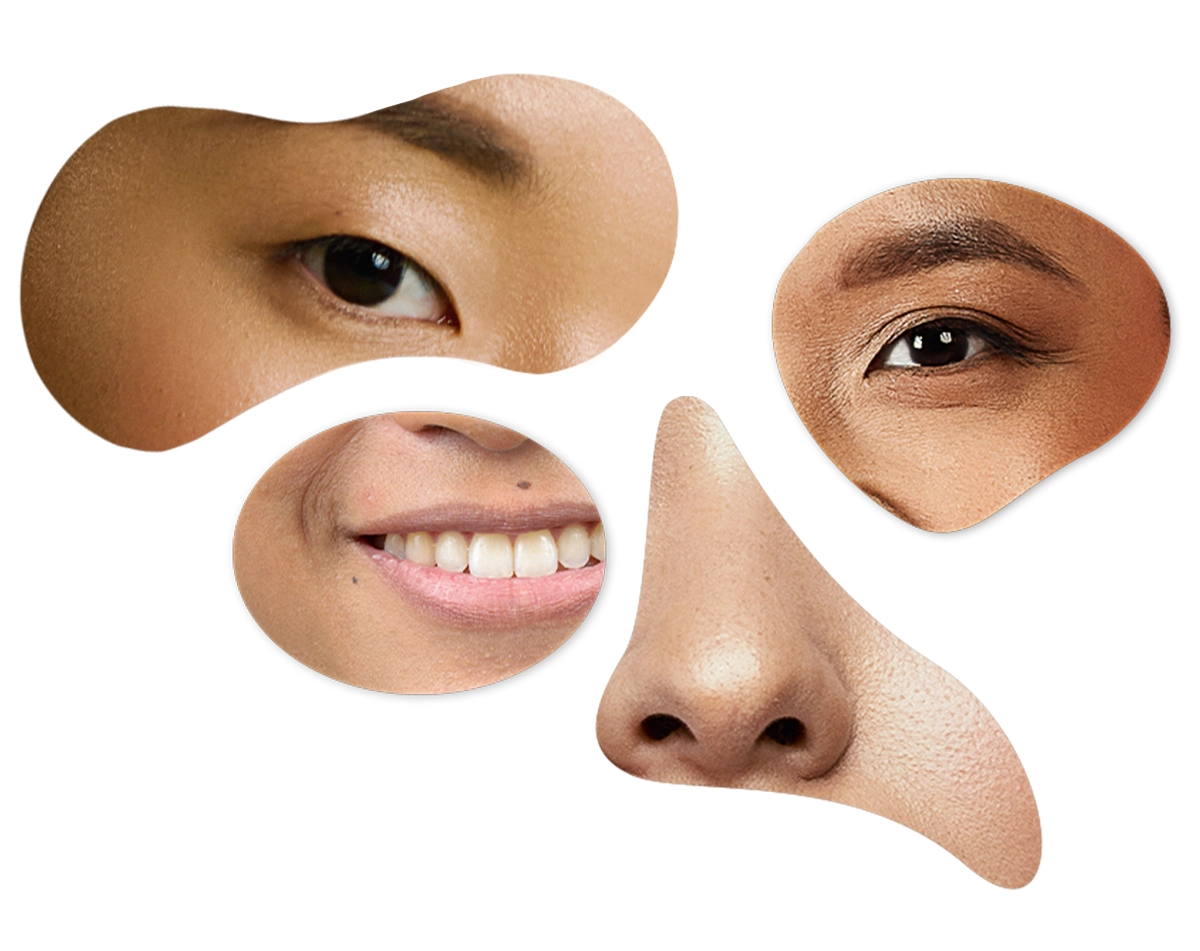
The edited global face
Sacha Mancera
That tension appears most clearly in entertainment and media.
Corinna Vistan, a film and television producer, showrunner, and director who worked at Marvel Studios for nearly a decade before returning to the Philippines, has seen how global entertainment shapes which Filipina faces are considered visible, desirable, or marketable.
“Even when it’s not stated openly, there’s often an unspoken template being applied,” she shares. “Casting is usually the first filter. Filipina characters are more likely to be greenlit internationally if they fit familiar global archetypes.”
Vistan sees this most clearly in the roles Filipinas have often been given on screen: nannies, domestic helpers, background characters, or women doing unseen work in service of Western protagonists. At other times, they are folded into familiar Asian stereotypes: submissive, obedient, available, or exoticized.
Because of this, Vistan explains, Filipina representation has often been filtered through expectations designed for Western-minded audiences. The “Filipina face” we see are often the ones that have been edited for acceptance: the skin warm, but not too dark; the features Southeast Asian, but softened; the accent present, but not too strong; the body “diverse,” but still close enough to dominant standards of thinness.
This is why Vistan is intentional about creating Filipina characters who go beyond these limits. “Representation and more nuanced storytelling can allow global audiences to see Filipinas as something more, be it as heroes, leaders, romantic leads, people with varied identities and ambitions,” she says. “Authenticity also means allowing Filipino identity to show up in its natural form: in the language, the rhythm of speech, the cultural details, the humor, the family dynamics, and the beauty standards that exist within our own context, and not just what’s approved by Western opinions.”
What gives Vistan hope is the growing number of producers, writers, and directors helping to change these biases. “The shift is happening and it is driven by more Southeast Asian-led storytelling,” she says. “The effort to expand that definition is vital so Filipinas can represent a full range of identities, looks, voices, and lived experiences.”
What remains Filipina?
The challenge, however, is that Filipina beauty has never been one thing.
According to historian and genealogist Mona Magno-Veluz, more popularly known on TikTok as Mighty Magulang, Filipina beauty has always been rooted in plurality.
“As a genealogist, one of the first things you realize is that there is no singular Filipina face,” she says. “The Philippines has always been visually diverse because our history has always been interconnected.”
Even before colonization, Magno-Veluz explains, communities across the archipelago already had different languages, features, and ancestries shaped by migration, trade, geography, and marriage patterns. Filipino identity, she says, has always been layered and multicultural.
“What we think of as ‘Filipina beauty’ was often a cultural preference imposed later, not an actual reflection of the population,” she explains.
During the Spanish and American colonial periods, Veluz says lighter skin, sharper noses, and more Europeanized features became associated with status, education, and proximity to power. Fairness became tied not only to beauty but also to class, because lighter skin implied a life removed from labor under the sun. Terms like “mestiza” became aesthetic ideals tied to social aspiration.
“Our beauty standards became entangled with colonial ideas of who looked ‘civilized’ or ‘refined,’” Veluz shares.
For Filipinas, this meant being measured against ideals shaped outside themselves: first through Eurocentric standards of lighter skin, sharper features, and slim bodies, and more recently, through the fair skin, delicate features, and small faces popularized by Korean beauty and entertainment.
Yet the same diversity that has always defined Filipina identity also complicates the search for a singular global image.
“I don’t think any one person or perspective can solely define what a ‘global Filipina face’ looks like, and that’s a good thing,” Laglagaron says. “We have a beautiful spectrum of features, complexions, and styles.”
When representation becomes dilution
If visibility comes with translation, at what point does translation become dilution?
Renowned Filipina choreographer and visual artist Eisa Jocson has spent years interrogating exactly that question.
In her work, “Princess,” Jocson, winner of the 2019 Hugo Boss Asia Art Award, performs as Snow White in her own brown skin. The show has traveled globally, with sold-out performances in cities including Singapore and Frankfurt.
The idea came to Jocson while researching Filipino performers in Hong Kong Disneyland in 2015. There, she observed what she calls the labor of “ambient happiness,” or the work of producing happiness as atmosphere and background. Filipino performers were considered highly skilled but were often assigned anonymous supporting roles, while the main princess roles remained largely inaccessible to them. As Jocson puts it, they “had the talent to reproduce the fantasy, but not access to the status and its economic privileges.”
In embodying Snow White’s gestures, voice, and physicality in a brown body, Jocson is able to “inhabit and destabilize the archetype at the same time.” She sighs, sings, tiptoes, and sweeps, echoing the animated princess while also referencing the repetitive routines of care and domestic labor often associated with Filipino migrant workers.
By “hijacking” one of the world’s most recognizable images of innocence and beauty, Jocson does not simply ask whether a Filipina can play Snow White. She asks what kinds of beauty are granted status, and what hierarchies remain intact when ‘whiteness’ continues to be treated as the standard of desirability.
Beyond visibility
Pexels
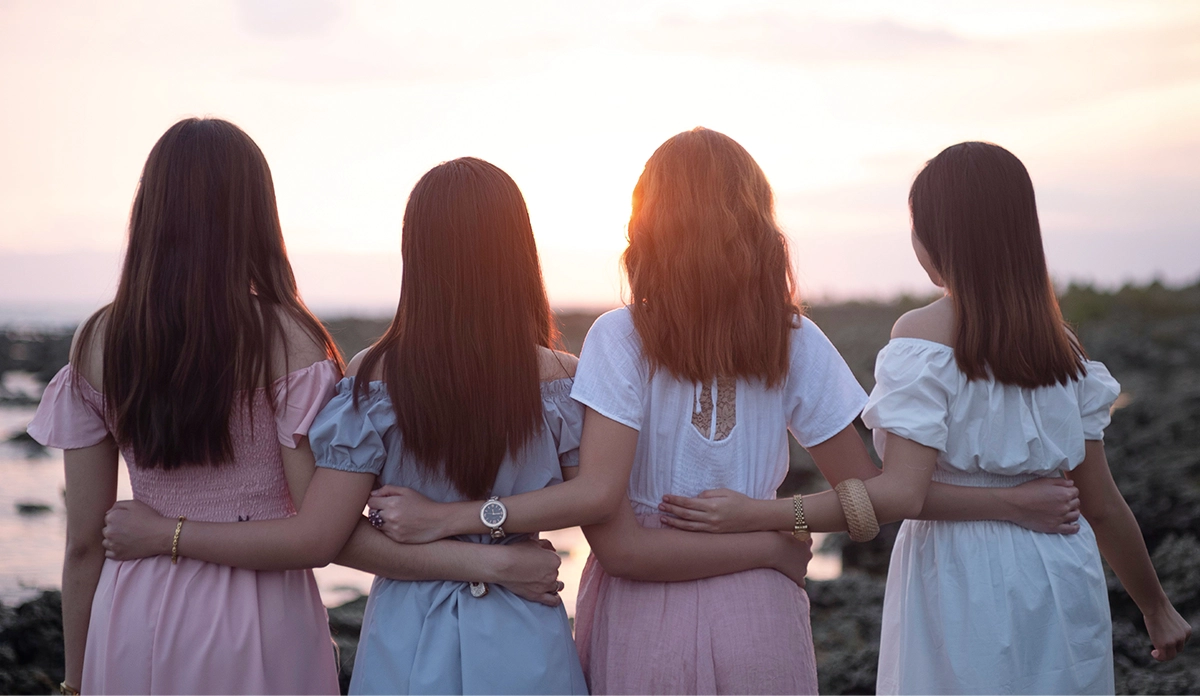
Social media has undoubtedly expanded who gets seen. But visibility alone does not necessarily broaden representation.
Veluz believes social media has helped expand Filipina representation, but the real challenge is making sure representation goes beyond trend cycles and includes real diversity.
“We now see more morena beauty, regional accents, indigenous features, curly hair, and everyday faces becoming visible and celebrated,” she says. “But algorithms also create new hierarchies. Visibility still favors what performs well commercially.”
As Veluz points out, many indigenous and regional identities remain underrepresented. “We still rarely see enough Filipinas with visibly Austronesian features, textured hair, darker skin, stronger regional accents, or identities outside Manila-centered culture portrayed as aspirational or glamorous,” she shares. “There is also still discomfort with women who visibly carry ordinary Filipino traits rather than polished cosmopolitan ones. Yet historically, those faces are just as authentically Filipino.”
For Laglagaron, genuine representation means listening to different preferences and offering choice, rather than prescribing what beauty should look like. “Over time, many Filipinas have become more intentional about selecting products that suit their personal style and how they want to feel, rather than simply following any one influence,” she says. “Ultimately, meaningful representation is about giving people the tools to express their own version of beauty and recognizing that all of those expressions are valid.”
Veluz describes this moment as transitional. Filipinas today, she says, are negotiating between inherited colonial beauty standards, global trends, and a growing desire for authenticity. What encourages her is that more women are defining themselves not only through appearance, but through advocacy and achievement.
“As a genealogist, I think that’s important,” she says. “Because history shows us that Filipinas were never one thing. And perhaps the most authentic representation of Filipina identity is precisely that diversity.”
The future of Filipina beauty is not about arriving at a single face that can represent us everywhere. It is not about finding one look that feels global enough to travel.
Perhaps the goal isn’t finding a global Filipina face at all. It’s creating enough room that no Filipina has to become less herself to be seen.
As Vistan puts it: “Representation becomes powerful when it doesn’t ask Filipino identity to shrink or translate itself too much. Instead, it allows it to exist fully and trusts that there is an audience ready to meet it there.”
Frequently Asked Questions
No. Genealogist Mona Magno-Veluz says the Philippines has always been visually diverse, with communities across the archipelago differing in language, features, and ancestry long before colonization. What is commonly read as “the Filipina face” was a later cultural preference, not a reflection of the population.
During the Spanish and American colonial periods, lighter skin, sharper noses, and Europeanized features became linked to status and education. Fairness signaled a life away from outdoor labor, and terms like “mestiza” turned aesthetic preference into social aspiration tied directly to class.
Bebot is a TikTok makeup trend built on Pinay Y2K nostalgia—frosted eyeshadow, lined glossy lips, early-2000s styling—that spread well beyond Filipino creators. MAC’s Audrey Laglagaron calls the visibility encouraging but incomplete, since virality tends to flatten culture into repeatable visual cues.
Magno-Veluz points to visibly Austronesian features, textured hair, darker skin, stronger regional accents, and identities outside Manila-centered culture as rarely portrayed as aspirational. She notes that algorithms create new hierarchies, since visibility still favors what performs commercially rather than what reflects the actual population.
Korean beauty and entertainment popularized fair skin, delicate features, and small faces, becoming a more recent measure Filipinas are held against. It follows earlier Eurocentric ideals of lighter skin and sharper features — a second external standard rather than a break from the first.