

Amid lengthy aisles lined with hair care products—from shampoos, conditioners, waxes, and oils in various shapes and sizes, with formulas promising to address hair loss, hair fall, straightening, or curl maintenance—another buzzy product is making its way from shelves into routines: hair serums.
But is it really necessary to add a hair serumSerumA lightweight, concentrated treatment applied after cleansing and before moisturizer to target specific concerns, such as dark spots, dehydration, or fine lines. Because serums are potent, introducing one at aGo to Serum Glossary to your vanity shelf and hair care regimen? And with so many formulas promising smoother, shinier, stronger-looking strands, or even loftier claims of hair loss protection, what can a serum actually do for your hair?
At the Unilever Beauty Science Summit last October 1, 2026, at The Fifth at Rockwell, Allure Philippines sat down for an exclusive interview with Filipino board-certified dermatologist Irene Gaile Robredo-Vitas, MD, FPDS, speaker at the session “Beyond Breakage: Understanding Hair Shedding and Follicle-Supportive Care.” Below, learn what hair serums actually do for hair health, whether they’re really necessary to add to a routine, and when to see a dermatologist for your hair concerns.
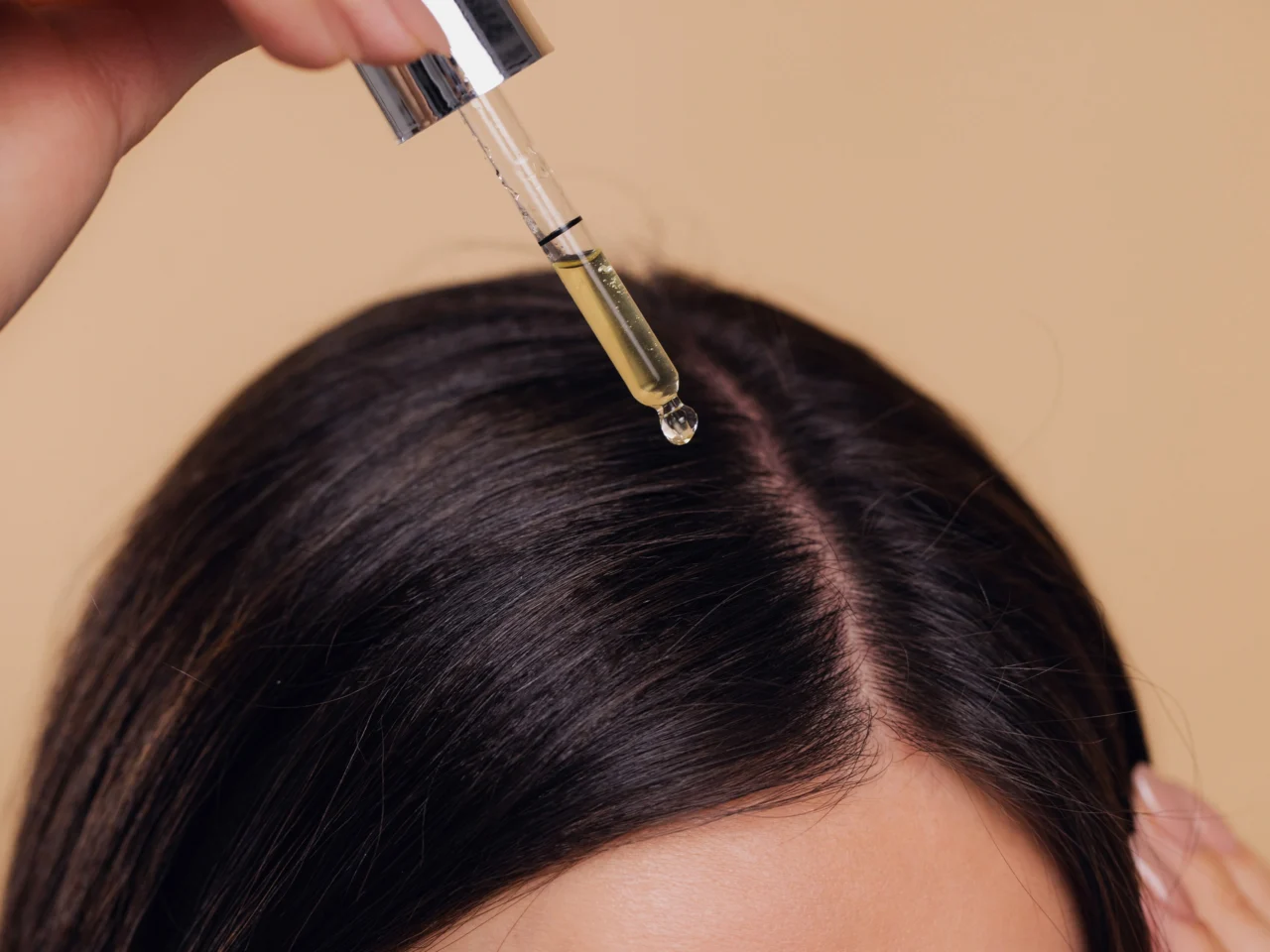
1. A hair serum acts as a vehicle that delivers ingredients.
Dr. Robredo-Vitas tells Allure Philippines that she prefers serums “because they’re lightweight, they get easily absorbed, and serums usually contain high percentages or high concentrations of active ingredients.”
So your choice of a hair serumSerumA lightweight, concentrated treatment applied after cleansing and before moisturizer to target specific concerns, such as dark spots, dehydration, or fine lines. Because serums are potent, introducing one at aGo to Serum Glossary should not be arbitrary—it should be based on what your hair needs. “Serum is just a vehicle. It’s a product that delivers ingredients. Do you need ingredients that can [for example] help your hair grow? And maybe you can deliver it via serum.”
2. Different hair serums tackle different hair needs.

Envato
With the rise of trendy hair care ingredients, it can be confusing to know what to get for yourself. But to simplify things, Dr. Robredo-Vitas advises approaching hair care much like skin care.
“For example, shampoo. Shampoo can be compared to a cleanser. So why do we shampoo our hair? We shampoo our hair to clean it.”
But she says that “if you overshampoo, your hair follicle will split off, making it brittle, prone to hair breakage. That’s why we recommend applying a conditioner or serumSerumA lightweight, concentrated treatment applied after cleansing and before moisturizer to target specific concerns, such as dark spots, dehydration, or fine lines. Because serums are potent, introducing one at aGo to Serum Glossary after.”
A hair serumSerumA lightweight, concentrated treatment applied after cleansing and before moisturizer to target specific concerns, such as dark spots, dehydration, or fine lines. Because serums are potent, introducing one at aGo to Serum Glossary, Dr. Robredo-Vitas says, can provide nourishment after hair washing. “So depending on what ingredients your product contains—for example, if you’re dandruff-prone, then you can use products containing zinc pyrithione. If your hair is more prone to dryness, you can use products that contain ceramides. Or if you’re more on the oily side, without dandruff, you can use products containing oxalic acid, for example.”
3. A hair serum that works for someone else may not work for you the same way.
Since hair serums are trending, Dr. Robredo-Vitas understands why consumers may be tempted to try them. “I know it’s very, very tempting, especially now with social media where you see all of these products, right? And it’s very tempting, especially if you see that, like, oh, this person is doing her hair.”
But she reminds consumers: “You need to know what ingredient you’re using, what condition you’re in, and then you match.”
If you’re unsure about which product or ingredient is right for you, she recommends consulting a board-certified dermatologist.
4. Hair serums are an option—not a requirement—in hair care.
If you want to nourish your hair and address specific concerns, she says, “a hair serum is perfect for that, for caring for your hair.”
But do you really need one? Dr. Robredo-Vitas answers simply: “If you don’t have any hair pathology, ‘di naman siya sobrang kailangan, but if you want to nourish your hair, add nutrients, pwede. It’s a very good option.”
5. Hair serums need to be paired with other hair care practices.
Envato
While there are various hair serums for different needs, they are not a miracle product. Dr. Robredo-Vitas emphasizes that hair care practices matter, too.
She points to minimizing the use of heat tools, as well as being conscious of everyday practices. This includes “not over-washing, conditioning it, putting serums if need be; and then avoiding things that compromise your hair, like tying your hair up too tight, cornrows, or tying it when it’s wet, brushing too much. It can affect our hair health.”
6. Hair serums can’t do what a dermatologist can.
While hair serums can be convenient additions to a hair care routine, they are not a substitute for professional medical care. Dr. Robredo-Vitas emphasizes that persistent hair concerns warrant guidance from a board-certified dermatologist.
“If, for example, you’re someone who’s experiencing hair fall, hair itchiness, dryness of the scalp, and you’ve tried all the available remedies online and still nothing works, it’s about time that you consult.”
Frequently Asked Questions
A hair serum is a lightweight vehicle that delivers active ingredients to hair, per dermatologist Irene Gaile Robredo-Vitas. It is easily absorbed and often concentrated, so the right formula depends on whether you need nourishment, dryness care, or dandruff control.
No, a hair serum is an option, not a requirement. Dr. Robredo-Vitas says it is not essential without an underlying hair condition, but it is a good choice if you want to nourish your hair and address specific concerns.
Match the ingredient to your condition. Dr. Robredo-Vitas suggests zinc pyrithione for dandruff-prone hair and ceramides for dryness-prone hair. If you are unsure which ingredient fits, a board-certified dermatologist can help you choose the right product.
No. A hair serum is not a miracle product. Dr. Robredo-Vitas recommends minimizing heat tools and avoiding over-washing, tight hairstyles, tying hair while wet, and too much brushing, since these everyday habits can affect hair health.
See a board-certified dermatologist if hair fall, itchiness, or scalp dryness persists after trying available online remedies. Dr. Robredo-Vitas says serums are not a substitute for professional medical care, so persistent hair concerns warrant a consultation.