

There’s always a reason to want another beauty product. A new formula promises to solve a problem you hadn’t noticed before. A shade goes viral overnight. A limited-edition drop suddenly feels impossible to miss. And somewhere between discovering a product and hitting “check out,” a want can start to feel a lot like a need.
That doesn’t mean the answer is to stop buying beauty altogether. But as conversations around sustainability and overconsumption become increasingly urgent, it may be worth becoming more deliberate about what earns a place on your vanity.
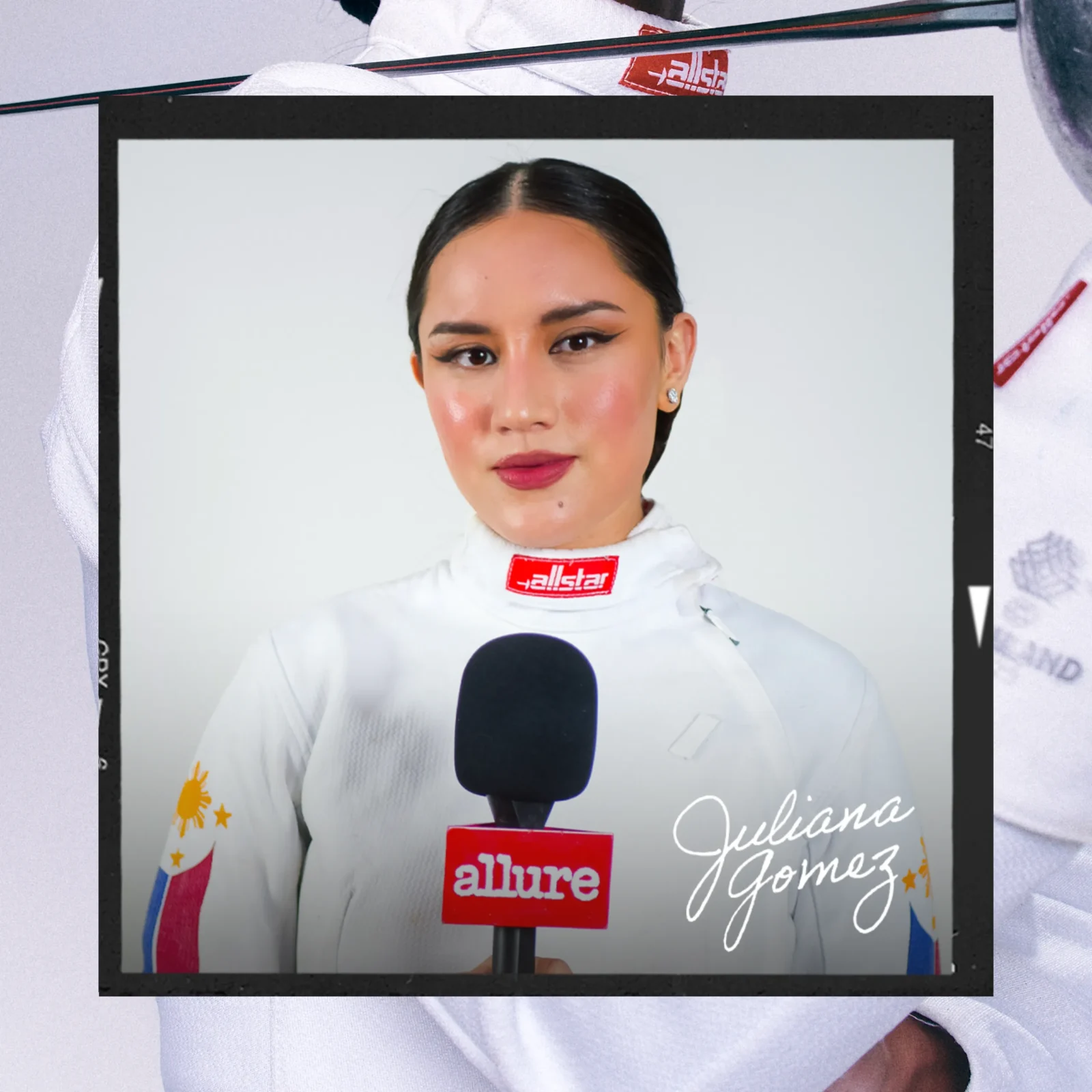
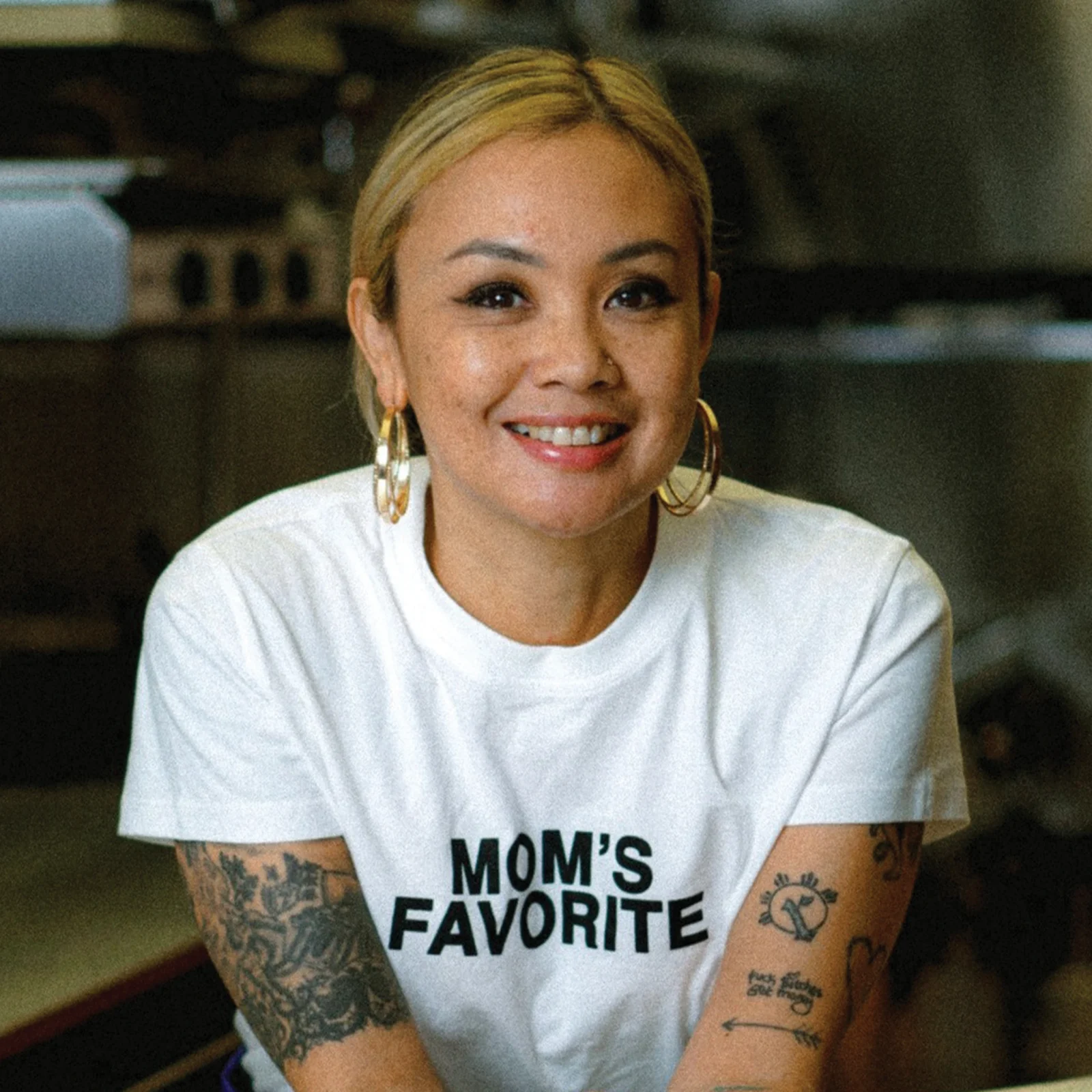
Allure Philippines reached out to Anna Oposa, environmental educator and Save Philippine Seas co-founder, and to sustainability professional Angelica Mata-Jamilan, who holds a Master’s degree holder in Business Administration and Sustainability Management at the Universitas Gadjah Mada and is now working as Business Development Manager for Decarbonization and Sustainability at InStep Carbon & Sustainability Programmes, to ask the questions worth asking before buying your next beauty product—from whether you already own something that does the same job to what “recyclable” actually means where you live.
Envato Images
Question #1: Why do I want this?
Before asking, “Do I need this?” Anna Oposa suggests asking a more honest one: “Is it a need, influencer hype, or just a spending mood?”
Mata-Jamilan approaches it from another angle: “What am I trying to fix here?” Sometimes, it could be an almost-empty moisturizer bottle, a tonerTonerA liquid step used after cleansing to rebalance, hydrate, or prep skin for the products that follow. Modern toners often focus on hydration or gentle exfoliation rather than stripping alcohol,Go to Toner Glossary you’ve run out of, or even a favorite lipstick you want to repurchase. More often, the real answer could even be how your week has been.
Question #2: Do I already own something that does the same thing?
Both Oposa and Mata-Jamilan land on this same idea, but from different angles. Oposa points to Sarah Lazarovic’s “Buyerarchy of Needs,” a play on psychologist Abraham Maslow’s hierarchy of needs. Instead of making “buy” the first option, it proposes moving through a series of alternatives: use what you have, borrow, swap, thrift, make—and only then, buy.
Mata-Jamilan, on the other hand, says that the answer is simple: “Ask the question, ‘Do I already own something that does this?’ Because most of us do. We just forgot about it because it is sitting at the back of a drawer.”
Question #3: Is this skin care—or an impulse buy?
Oposa’s advice moves with how her skin behaves, her budget, and how often she’ll realistically use a product. Oposa says she used to be an impulsive shopper, until a visit to her dermatologist gave her a reality check about her habits. Her current strategy: “I still love buying new products, but I try to buy only when I’m about to run out and stick to using it until I finish it.”
For Mata-Jamilan, that line is personal: she considers cleanser, moisturizer, and sunscreen her essentials. Anything beyond that, to her, is a choice.
She’s also clear on what beauty marketing does to create that difference. “The trick that beauty culture pulls is turning a preference into a deficiency. If the wanting only started after the video, that is not a need. That is advertising doing its job well.”
Envato Images
Question #4: What does this “sustainable” claim actually mean?
Labels such as “sustainable,” “clean,” and “recyclable” can sound definitive, but what they actually tell you may be less straightforward. Oposa says, “There’s no standard definition for what is “sustainable” or “clean” and recyclability depends so much on the facilities and infrastructure available in your hometown.”
“Something recyclable” in Metro Manila may not be recyclable in one of our isolated islands, because it might just get buried, burned, or thrown into the sea,” she added.
Mata-Jamilan adds another idea coming from personal experience. “The other one I have a problem with now that I work on emissions is ‘carbon neutral.’ Sometimes there is real work behind it. Often it is an offset purchased at the end of the year that does not change anything about how the product was made. A neutral label on a product you did not need is still a footprint you did not have to create.”
Question #5: Am I buying backups for my backups?
The clearest sign, according to both Oposa and Mata-Jamilan, is having a shelf of things you’ve already started using—and stopped.
“You are buying a replacement before the first one is empty. You have backups of backups. Products are expiring on your shelf, which is the clearest signal because it means you literally could not use it fast enough,” Mata-Jamilan shared, pulling from her own personal experience.
Another factor to consider, according to her, is the excitement that you feel about having a new product to unbox. “If unboxing feels better than the tenth day of applying it, the product is not really the point anymore,” she added.
Question #6: What happens to this product when I’m done with it?
According to Oposa, packaging and formulation are among the most overlooked factors when buying products. “Packaging because of the recyclability and formulation because of our country’s climate. Some products don’t keep well in our heat and humidity,” she explained.
For Mata-Jamilan, it’s more specific. “[Consider] the size [of the product] versus your actual pace of use. A big tub is cheaper per gram, but check the period after the opening symbol, the little jar icon with a number on it,” she said.
She also added, “And this one people seldom think about: can it actually be disposed of where you live? Not in theory. In your barangay, with your collection system. That answer changes everything.”
Envato Images
Question #7: Am I paying more for something I’ll actually use?
A higher price—or a sustainability claim attached to it—doesn’t automatically make something the better purchase. For both experts, value ultimately comes down to whether you will actually use what you buy.
For Oposa, sustainability in some cases isn’t about buying less but buying better. “For me, that means buying the item you’ll keep reaching for, you’ll use, and is effective vs. buying an item because it has sustainability claims, but it doesn’t work for you, so you end up throwing it away.” Her version of “buy better, not less,” is summarized to this: “Cheap isn’t sustainable if it ends up in the trash but expensive isn’t also sustainable if it sits unused.”
Mata-Jamilan also says, “Paying a premium price for a sustainable version of something you will be bored of in four months is just a more expensive mistake,” and adds that a “sustainable” product’s high price point is more of a “design failing” than a personal one.
“Most Filipinos are working with a real budget. If the cheaper product is what you can afford, buy it, use every last bit of it, and dispose of it as well as you can. That is still better than being labeled as “sustainable,” she said.
Question #8: Do I still want it if I wait before buying it?
Sometimes the simplest test is time. The product that feels irresistible tonight may be surprisingly easy to forget tomorrow. Oposa deals with this similarly. “When I want to buy something online, I add it to my cart and wait until the next day or when there’s a sale. Most of the time, I forget about it and just re-add it when a friend recommends it or when I see the product in real life.”
Mata-Jamilan’s process is more formal and specific: “Keep a list instead of a cart. For me, when I want something, I write it down with the date and wait two weeks. What happens is that most of the list dies on its own. The things that survive two weeks are usually things you actually need, and then you buy them with a clear head,” she said.
Question #9: Will I actually finish what I already own?
Before adding something new, take stock of what’s already open on your vanity. If a product works for you, Oposa suggests finishing it before replacing it. If it doesn’t, she recommends passing it on rather than forcing yourself to use it.
For Mata-Jamilan, finishing products that you already own is already sustainable in theory. “The water, the packaging, the shipping, the emissions—all of that was spent the moment the product was made. Throwing it away half used means you paid that cost and got nothing for it. Finishing it is the only way to get a return on a footprint that already exists.”
Mata-Jamilan also agrees with Oposa, saying, “The one nuance is that this should not become a reason to punish yourself. If something irritates your skin, stop using it. Do not force it. But give it away instead of binning it. Someone else’s skin will be fine with it, and that product still gets to do its job.”
Question #10: If it’s refillable, will I actually refill it?
A refillable package may sound like the more sustainable choice, but its benefit depends partly on whether you actually keep refilling it—and what the refill itself is packaged in.
Refillable products have their pros and cons. On one hand, it’s one solution to the growing problem of waste produced by beauty brands and labels. On the other hand, it can have its own risks.
Oposa says, “There are concerns about cross-contamination; for example, you refill a bottle that wasn’t cleaned properly, what packaging the refill is in, and where the packaging will go after it’s done.” It’s a valid concern to consider.
For Mata-Jamilan, there are some nuances to think about, such as the material of the container and how long it will be used. “There is a break-even point, usually a few refills in, before the heavier, sturdier original container earns back its higher footprint. A lot of refill pouches are multilayer plastic, foil bonded to film, which is one of the least recyclable materials out there.”
What she actually trusts are proper refill stations, where people bring their own containers and the stations dispense the products into them.
None of these questions are meant to make you feel guilty about buying beauty products. The point isn’t to strip the pleasure out of discovering a new lipstick, fragrance, or moisturizer. It’s to put a little more space between wanting something and deciding you need to own it.
Sometimes that means closing the shopping cart and coming back tomorrow. Sometimes it means finishing the moisturizer already sitting on your vanity. And sometimes, after asking all ten questions, the answer may still be: Yes, I really want this.
The difference is that now, you know why.